Navigating the Unknown: Preparing for Conception After Birth Control Discontinuation
For many women, the decision to discontinue birth control and try to conceive a child can be a daunting and overwhelming experience. After years of relying on hormonal birth control methods, such as the pill, patch, or IUD, the body needs time to adjust and return to its natural fertility cycle. This transition can be unpredictable and can bring about a range of physical and emotional changes. In this blog post, we will discuss the important steps to take when preparing for conception after birth control discontinuation.
Understanding Your Body’s Natural Fertility Cycle
The first step in preparing for conception after birth control is to understand your body’s natural fertility cycle. Hormonal birth control methods work by suppressing ovulation, which is the process of releasing an egg from the ovary. When you stop using these methods, it may take some time for your body to regulate and restart ovulation. This means that you may not get your period immediately after stopping birth control, and it may take a few months for your cycle to return to normal.
It is important to track your menstrual cycle closely during this time. You can use an app, a calendar, or a fertility chart to monitor your cycle and record any changes or symptoms you experience. This will help you and your doctor to identify any potential issues and determine when you are most fertile.
Optimizing Your Diet and Lifestyle
While you are waiting for your body to adjust to life without birth control, it is crucial to focus on optimizing your diet and lifestyle. Eating a balanced and nutritious diet can help prepare your body for pregnancy and support a healthy pregnancy. Include plenty of fruits, vegetables, whole grains, lean proteins, and healthy fats in your diet. You may also want to consider taking a prenatal vitamin to ensure you are getting all the necessary nutrients for conception and pregnancy.
In addition to a healthy diet, it is essential to maintain a regular exercise routine and manage stress levels. Exercise can help regulate your hormones and improve overall fertility. However, it is important not to overdo it, as intense exercise can sometimes have a negative impact on fertility. Finding ways to manage stress, such as yoga, meditation, or talking to a therapist, can also be beneficial for your overall well-being and fertility.
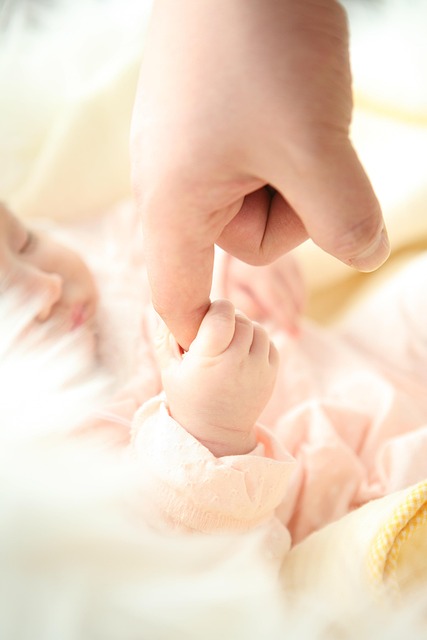
Navigating the Unknown: Preparing for Conception After Birth Control Discontinuation
Talking to Your Doctor
It is always a good idea to consult with your doctor before stopping birth control and trying to conceive. They can provide valuable information about your fertility and any potential risks or concerns. Your doctor may also recommend specific prenatal vitamins or supplements to support your body during this time.
If you have been using a hormonal birth control method, your doctor may also recommend a “washout period” before trying to conceive. This means stopping birth control several months before trying to get pregnant to allow your body time to regulate and return to its natural cycle.
Managing Expectations and Dealing with Emotional Changes
Stopping birth control and trying to conceive can also bring about a range of emotional changes. For some women, this can be an exciting and joyful time, while for others, it can be overwhelming and stressful. It is essential to manage your expectations and be patient with your body during this time.
It is also crucial to communicate with your partner and support each other through this journey. Keep in mind that it may take some time to get pregnant, and it is normal for couples to take up to a year to conceive. If you are feeling overwhelmed or anxious, do not hesitate to seek support from a therapist or a support group.
In conclusion, navigating the unknown of preparing for conception after birth control discontinuation can be challenging, but with the right information and support, it can also be a rewarding experience. By understanding your body’s natural fertility cycle, optimizing your diet and lifestyle, talking to your doctor, and managing expectations and emotions, you can prepare yourself for a successful and healthy pregnancy.
Summary:
Deciding to discontinue birth control and try to conceive can be overwhelming for many women. It is important to understand your body’s natural fertility cycle, optimize your diet and lifestyle, talk to your doctor, and manage expectations and emotions during this time. Tracking your menstrual cycle, eating a balanced diet, exercising regularly, managing stress levels, and consulting with your doctor are crucial steps to take when preparing for conception after birth control discontinuation. It is also important to manage emotional changes and communicate with your partner for support. With the right steps, you can navigate the unknown and prepare yourself for a successful and healthy pregnancy.