Blog Post:
Birth control pills have been a common method of contraception for decades, providing women with control over their reproductive health and choices. However, there may come a time when a woman decides to stop taking birth control pills and start preparing for pregnancy. This can be an exciting but also daunting journey, as there are many factors to consider and steps to take in order to conceive with confidence. In this blog post, we will discuss how to prepare for pregnancy after birth control pills and what you can do to boost your chances of conceiving successfully.
Understanding Your Cycle:
The first step in preparing for pregnancy after birth control pills is to understand your menstrual cycle. Birth control pills work by suppressing ovulation, so it may take some time for your body to adjust and regulate its natural hormonal cycle again. This can take anywhere from a few weeks to a few months, depending on the duration of your birth control use and your individual body chemistry.
To get a better understanding of your cycle, start tracking your periods and noting any changes in your body. You can use a fertility tracker app or a simple calendar to keep track of your cycle. It’s also important to pay attention to your body’s natural signs of ovulation, such as changes in cervical mucus and basal body temperature.
Take Care of Your Health:
One of the most important things to do when preparing for pregnancy is to prioritize your health. This includes maintaining a healthy diet, exercising regularly, and avoiding harmful substances such as alcohol, tobacco, and drugs. It’s also a good idea to schedule a preconception check-up with your healthcare provider to address any potential health issues and ensure that you are in good physical shape for pregnancy.
It’s also important to start taking a prenatal vitamin with folic acid. Folic acid is crucial for the healthy development of the baby’s brain and spinal cord, and it’s recommended to start taking it at least one month before trying to conceive.
Get Off Birth Control Early:
It’s important to give your body enough time to regulate its natural cycle and hormones after stopping birth control pills. Therefore, it’s recommended to stop taking birth control at least 3 months before trying to conceive. This will give your body enough time to adjust and start ovulating regularly.
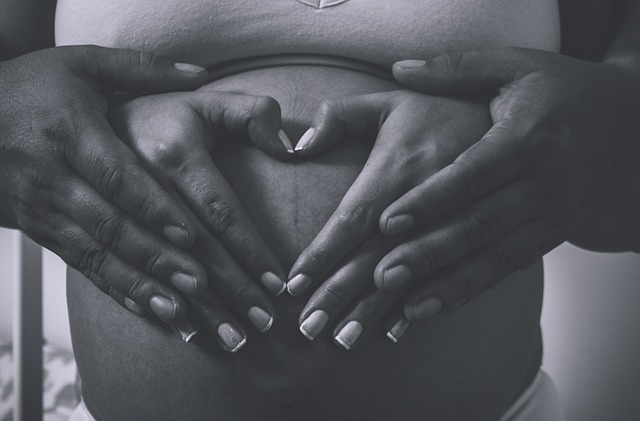
Conceiving Confidence: Preparing for Pregnancy After Birth Control Pills
It’s also important to note that some types of birth control, such as the Depo-Provera shot, may take longer to leave your system. So, it’s best to discuss with your healthcare provider about when to stop using birth control based on the type you have been using.
Address Any Underlying Issues:
If you have been using birth control to manage a specific health condition, it’s important to address any underlying issues before trying to conceive. Some women may have underlying conditions such as polycystic ovary syndrome (PCOS) or endometriosis, which can affect fertility and need to be treated before attempting to get pregnant.
Additionally, if you have been taking birth control pills for an extended period of time, it’s a good idea to get your hormone levels checked to ensure that they have returned to normal. This is especially important for women who have been on birth control for several years or have been using it to treat a hormonal imbalance.
Practice Good Timing:
Timing is crucial when trying to conceive, and understanding your ovulation window can increase your chances of getting pregnant. As mentioned earlier, tracking your cycle can help you determine when you are most likely to ovulate. You can also use ovulation predictor kits or fertility monitors to pinpoint your fertile days.
It’s important to note that sperm can survive in the body for up to 5 days, so it’s best to have intercourse a few days before ovulation and on the day of ovulation itself. This increases the chances of sperm being present when the egg is released.
Stay Positive and Patient:
Finally, it’s important to stay positive and patient when trying to conceive after birth control pills. It may take some time for your body to adjust and for you to get pregnant, so try not to get discouraged if it doesn’t happen right away. In fact, it’s completely normal for it to take 6-12 months to conceive after stopping birth control pills.
If you have been trying for over a year without success, it’s recommended to consult with a fertility specialist to determine if there are any underlying issues that may be hindering conception.
In summary, preparing for pregnancy after birth control pills involves understanding your cycle, taking care of your health, getting off birth control early, addressing any underlying issues, timing intercourse correctly, and staying positive and patient. By following these steps, you can boost your chances of conceiving successfully and embark on a healthy and fulfilling pregnancy journey.