When it comes to birth control, there are many options available for women to choose from. One popular method is Depo-Provera, also known as the birth control shot. It is a contraceptive injection that is given every three months to prevent pregnancy. While Depo-Provera can be an effective form of birth control, it is important for women to understand the potential impact it may have on their fertility. In this blog post, we will discuss the effects of Depo-Provera on fertility and provide tips on how to prepare for conception after stopping the birth control shot.
Understanding Depo-Provera and its Effects on Fertility
Depo-Provera works by releasing the hormone progestin into the body, which prevents ovulation and thickens the cervical mucus, making it difficult for sperm to reach an egg. This birth control method is highly effective, with a success rate of 94%, making it a popular choice for women. However, once a woman stops receiving the injections, it may take some time for her body to adjust and return to its natural menstrual cycle.
The effects of Depo-Provera on fertility can vary from woman to woman. Some women may regain fertility immediately after stopping the injections, while others may experience a delay in ovulation and a longer time to conceive. According to studies, it may take up to 10 months for ovulation to resume after stopping Depo-Provera. Therefore, it is essential for women to have a plan in place if they are considering getting pregnant after using this form of birth control.
Tips for Preparing for Conception After Depo-Provera
1. Be Patient and Track Your Menstrual Cycle
As mentioned earlier, it may take some time for your body to adjust after stopping Depo-Provera. Therefore, it is essential to be patient and give your body time to resume its natural menstrual cycle. During this time, it is also helpful to track your menstrual cycle to determine when you are ovulating. This can be done by keeping a record of your period start and end dates, as well as any other signs of ovulation, such as changes in cervical mucus.
2. Focus on Nutrition and Exercise
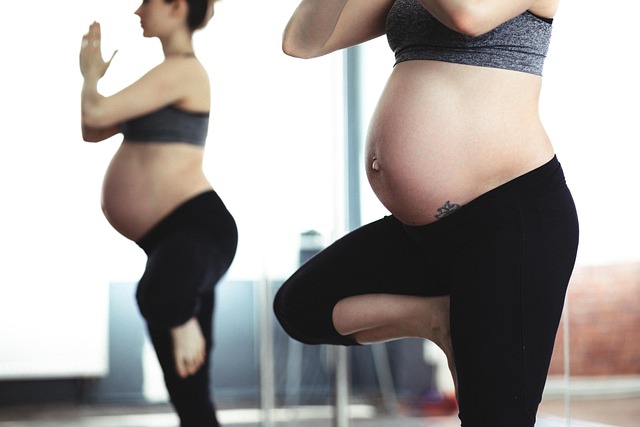
Breaking Free: Preparing for Conception After Depo-Provera
Maintaining a healthy diet and regular exercise routine can help improve your overall health and increase your chances of conceiving. A balanced diet with plenty of fruits, vegetables, and whole grains can provide essential nutrients needed for reproductive health. Exercise can also help regulate hormones and improve ovulation.
3. Consider Fertility Treatments
If you have been trying to conceive for over a year without success, it may be time to consider fertility treatments. Fertility treatments such as in vitro fertilization (IVF) or intrauterine insemination (IUI) can help increase the chances of pregnancy. However, it is important to consult with a fertility specialist to determine the best treatment plan for your specific situation.
4. Manage Stress Levels
Stress can have a significant impact on fertility, so it is crucial to find ways to manage it effectively. Engaging in relaxation techniques such as yoga, meditation, or deep breathing can help reduce stress levels. It is also essential to communicate openly with your partner and seek support from friends and family during this time.
5. Monitor Your Reproductive Health
Regular visits to your gynecologist can help monitor your reproductive health and identify any potential issues that may affect fertility. Your doctor can also provide guidance and recommendations on how to prepare for conception after Depo-Provera.
Breaking free from Depo-Provera and preparing for conception can be a challenging and emotional journey. However, with proper planning and care, it is possible to overcome any obstacles and achieve a healthy pregnancy. Remember to be patient, take care of your overall health, and seek professional help if needed.
In summary, Depo-Provera is a highly effective form of birth control, but it can have an impact on fertility. Women who are considering getting pregnant after using this method should be aware of the possible delays in ovulation and take necessary steps to prepare their bodies for conception. By tracking their menstrual cycle, focusing on nutrition and exercise, considering fertility treatments, managing stress levels, and monitoring their reproductive health, women can increase their chances of conceiving after Depo-Provera.