Fertility ceremonies have been a part of human culture for centuries, playing a significant role in cultivating gratitude and positivity. These ceremonies are deeply rooted in the belief that by honoring and celebrating fertility, individuals can attract abundance, prosperity, and happiness into their lives. From ancient rituals to modern celebrations, fertility ceremonies have evolved over time, but their purpose remains the same – to invoke a sense of gratitude and positivity within individuals and communities.
In this blog post, we will explore the history and significance of fertility ceremonies, how they are celebrated in different cultures, and the ways in which they contribute to cultivating gratitude and positivity.
History of Fertility Ceremonies
The earliest evidence of fertility ceremonies can be traced back to ancient civilizations such as the Mesopotamians, Egyptians, and Greeks. These cultures believed in the power of fertility deities and goddesses, and fertility ceremonies were performed to honor them and invoke their blessings.
For instance, in ancient Greece, the festival of Thesmophoria was celebrated to honor the goddess Demeter, who was the deity of fertility and agriculture. Women would gather to pray for fertility and abundance, and offerings of food and drink were made to the goddess. Similarly, the ancient Egyptians celebrated the annual festival of Opet to honor the god Amun, who was believed to control the annual flooding of the Nile and ensure fertility of the land.
In more recent history, fertility ceremonies have been a part of indigenous cultures and traditional societies. For example, Native American tribes have long practiced fertility rituals to honor Mother Earth and attract bountiful harvests. These ceremonies often involve dancing, singing, and offerings made to the Earth and the spiritual entities believed to govern fertility.
Modern Fertility Ceremonies
While some traditional fertility ceremonies are still practiced today, many modern cultures have also adopted their own versions of these rituals. For instance, in Japan, the annual Hina Matsuri (Doll Festival) is celebrated to pray for the health and happiness of girls. Dolls dressed in traditional clothing are displayed in homes, and special foods are eaten to promote fertility and prosperity.
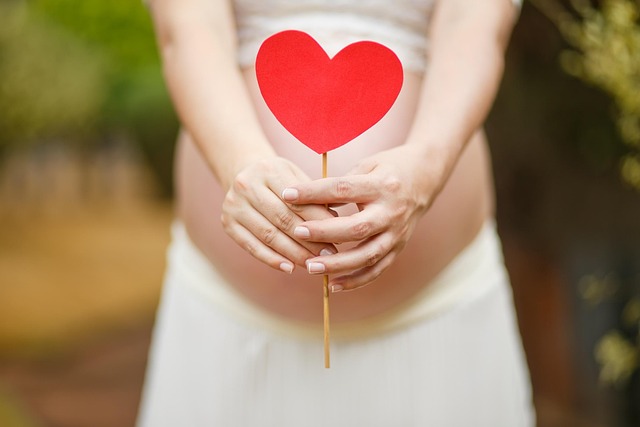
Fertility Ceremonies and Their Role in Cultivating Gratitude and Positivity
In India, the festival of Holi is celebrated to welcome the arrival of spring and honor the Hindu deity of love and fertility, Krishna. People gather to play with colored powders and water, symbolizing the fertility of the land and the blossoming of new relationships.
In Western societies, baby showers have become a popular form of fertility ceremony, where friends and family gather to celebrate the upcoming arrival of a new life. These ceremonies often involve gifts, games, and prayers for the health and well-being of the mother and child.
Cultivating Gratitude and Positivity
So, what is the role of fertility ceremonies in cultivating gratitude and positivity? At their core, these rituals are about celebrating life and the abundance it brings. By acknowledging and honoring fertility, individuals are reminded of the blessings in their lives and the potential for growth and prosperity.
Fertility ceremonies also bring people together, fostering a sense of community and connection. In many cultures, these celebrations involve dancing, singing, and feasting, creating a joyous and uplifting atmosphere. This sense of togetherness and celebration can have a profound impact on individuals, promoting feelings of gratitude and positivity.
Moreover, fertility ceremonies often involve offerings made to deities or spiritual entities. This act of giving can cultivate a sense of gratitude and appreciation, as individuals are reminded of the blessings they have received and the abundance that surrounds them.
The power of intention is also a significant aspect of fertility ceremonies. By setting intentions for fertility and abundance, individuals are focusing their energy and thoughts on positivity and gratitude. This can lead to a shift in mindset, promoting a more positive outlook on life.
In conclusion, fertility ceremonies have a rich history and continue to play a significant role in many cultures around the world. These rituals are a celebration of life and fertility, promoting gratitude, positivity, and a sense of community. Whether ancient or modern, these ceremonies serve as a reminder to be grateful for the blessings in our lives and to approach the future with a positive mindset.
SEO Metadata: