Blog Post:
Fertility tracking has been around for centuries, with ancient civilizations using natural methods such as observing cervical mucus and monitoring basal body temperature to determine ovulation and improve chances of conception. However, with advancements in technology, a new tool has emerged: the fertility tracker. This device not only tracks your menstrual cycle, but also provides valuable insights into your fertility status and helps you monitor your progress towards pregnancy. In this blog post, we will explore the benefits of using a fertility tracker and how it can aid in your journey towards parenthood.
First and foremost, let’s understand what a fertility tracker is. A fertility tracker is a small, wearable device that uses sensors and algorithms to monitor your menstrual cycle and predict your fertile window. It can be worn on your wrist, clipped onto your clothing, or inserted like a tampon. Some popular fertility trackers include Ava, Tempdrop, and OvuSense. These devices track various parameters such as temperature, heart rate, and movement patterns to gather data about your body’s hormonal changes throughout your cycle.
One of the main advantages of using a fertility tracker is its accuracy. Unlike traditional methods of fertility tracking, which rely on subjective observations, these devices use advanced technology to provide precise data. This data can help you pinpoint your ovulation day and fertile window with much higher accuracy. This is especially beneficial for women with irregular cycles or those trying to conceive after coming off hormonal birth control.
Another benefit of using a fertility tracker is the convenience it offers. With a traditional calendar-based method, you need to manually record your cycle and observe changes in your body. This can be tedious and prone to errors. However, with a fertility tracker, you can simply wear the device and let it do the work for you. The device will automatically track your data and provide insights into your fertility status. This saves you time and effort, allowing you to focus on other aspects of your fertility journey.
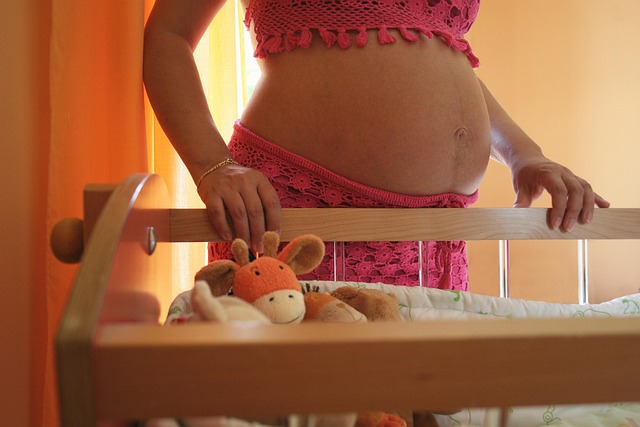
From Tracking to Testing: Using a Fertility Tracker to Monitor Your Progress
In addition to tracking your cycle, a fertility tracker can also monitor other important parameters that can affect your fertility. For example, some devices track your sleep patterns, stress levels, and even your nutrition. These factors can have a significant impact on your reproductive health and using a fertility tracker can help you identify any areas that need improvement. This holistic approach to fertility tracking can provide a more comprehensive understanding of your body and how it responds to different factors.
Apart from monitoring your progress, a fertility tracker can also help you identify any underlying issues that may be hindering your chances of conceiving. For instance, if your tracker detects consistently low temperatures or irregularities in your cycle, it could indicate a hormonal imbalance or a potential fertility issue. This information can be shared with your doctor, who can then guide you towards the appropriate treatment.
Moreover, fertility trackers also have a feature called ‘cycle mapping’ where you can input data such as cervical mucus changes, ovulation predictor kit results, and any symptoms you experience throughout your cycle. This feature allows you to have a detailed overview of your fertility status and can help you identify any patterns or irregularities that may need attention. This information can also be shared with your doctor and can aid in the diagnosis and treatment of any underlying fertility issues.
In conclusion, using a fertility tracker can be a valuable tool in your fertility journey. It offers accuracy, convenience, and a holistic approach to tracking your cycle and monitoring your progress. It can also help you identify any potential fertility issues and provide valuable data for your doctor to guide you towards the best course of action. So if you are trying to conceive, consider using a fertility tracker to help you on your path to parenthood.
Summary:
Fertility tracking has been around for centuries, but with advancements in technology, a new tool has emerged: the fertility tracker. These wearable devices use sensors and algorithms to track menstrual cycles, predict fertile windows, and provide valuable insights into fertility status. Benefits of using a fertility tracker include accuracy, convenience, and the ability to monitor other important parameters that can affect fertility. Additionally, fertility trackers can help identify underlying fertility issues and provide valuable data for doctors to guide treatment. Consider using a fertility tracker to aid in your journey towards parenthood.