The Connection Between Fertility Tracking and Successful Conception
Fertility is a topic that has long been surrounded by myths and misconceptions. Many people believe that getting pregnant is as simple as having unprotected sex, but the reality is that there are many factors that can affect a person’s fertility. For couples who are trying to conceive, understanding and tracking their fertility can greatly increase their chances of successful conception. In this blog post, we will explore the connection between fertility tracking and successful conception, and how this knowledge can help couples on their journey to parenthood.
Understanding Fertility
Before we dive into the specifics of fertility tracking, it is important to have a basic understanding of how fertility works. Fertility refers to a person’s ability to conceive a child. In women, fertility is determined by the monthly release of an egg from the ovaries and the thickening of the uterine lining to prepare for pregnancy. In men, fertility is determined by the production of healthy sperm. For a successful conception to occur, a sperm must fertilize an egg during a woman’s fertile window, which typically lasts for about six days each month.
Factors Affecting Fertility
There are many factors that can affect a person’s fertility, and these can vary between individuals. Some of the most common factors include age, overall health, lifestyle choices, and underlying medical conditions. As a person ages, their fertility naturally declines, with women experiencing a more significant decline after the age of 35. Poor overall health, such as obesity or chronic illness, can also impact fertility. Lifestyle choices such as smoking, excessive alcohol consumption, and drug use can also decrease fertility. Additionally, underlying medical conditions such as polycystic ovary syndrome (PCOS) and endometriosis can greatly affect a person’s ability to conceive.
The Importance of Fertility Tracking
Fertility tracking involves monitoring and recording various fertility signs and using this information to predict ovulation and determine the most fertile days in a person’s cycle. This can include tracking menstrual cycles, basal body temperature, cervical mucus, and using ovulation predictor kits. By understanding their fertility signs, couples can time intercourse during the most fertile days of a woman’s cycle, increasing their chances of conception.
Tracking Menstrual Cycles
The menstrual cycle is the monthly hormonal cycle that prepares a woman’s body for pregnancy. Tracking menstrual cycles involves keeping a record of the first day of a period and the length of each cycle. This information can help predict when a woman is most likely to ovulate. Ovulation typically occurs around day 14 of a 28-day cycle, but this can vary from person to person. By tracking menstrual cycles, couples can have a better understanding of when to time intercourse for the best chance of conception.
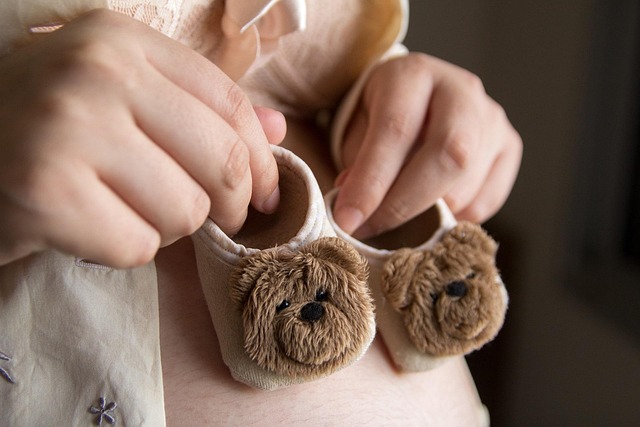
The Connection Between Fertility Tracking and Successful Conception
Basal Body Temperature
Basal body temperature (BBT) is the body’s lowest resting temperature, which can be measured with a special thermometer. During ovulation, a woman’s BBT will slightly increase due to the release of the hormone progesterone. Tracking BBT over time can help determine when ovulation has occurred. This information can then be used to time intercourse for the most fertile days of a woman’s cycle.
Cervical Mucus
Cervical mucus is a fluid produced by the cervix that helps sperm reach the egg. The texture and consistency of cervical mucus change throughout a woman’s cycle, with the most fertile mucus being clear, stretchy, and similar to egg whites. By tracking changes in cervical mucus, couples can determine when ovulation is approaching, and plan intercourse accordingly.
Ovulation Predictor Kits
Ovulation predictor kits (OPKs) are urine tests that detect the surge in luteinizing hormone (LH) which occurs just before ovulation. This surge typically happens 24-36 hours before ovulation, making OPKs a useful tool for predicting the most fertile days in a woman’s cycle.
The Benefits of Fertility Tracking
By tracking fertility signs, couples can have a better understanding of their menstrual cycles and ovulation, and increase their chances of successful conception. Additionally, fertility tracking can also help identify any potential fertility issues, allowing couples to seek medical assistance if needed. For example, if a woman’s BBT consistently shows no ovulation, it may indicate a hormonal imbalance that could be affecting her ability to conceive.
Fertility Tracking and Assisted Reproductive Technologies
For couples who are struggling with infertility, fertility tracking can also play a crucial role in assisted reproductive technologies (ART). ART refers to medical procedures that help couples conceive, such as in vitro fertilization (IVF) and intrauterine insemination (IUI). By tracking fertility signs, doctors can better time these procedures and increase their chances of success.
In conclusion, fertility tracking is a valuable tool for couples trying to conceive. By understanding their fertility signs, couples can time intercourse for the most fertile days in a woman’s cycle, increasing their chances of successful conception. Fertility tracking can also help identify any potential fertility issues and assist in ART procedures. If you and your partner are trying to conceive, consider incorporating fertility tracking into your routine and consult with a medical professional for personalized advice.