Blog Post Title: Fertility Tracking and Conception: A Personalized Approach
Summary:
For many couples, starting a family is an exciting and life-changing decision. However, the journey to conception can often be a challenging and emotional one. As more people are turning to personalized approaches to their health and wellness, it’s no surprise that fertility tracking and conception have also seen a rise in popularity.
Gone are the days of simply relying on a calendar to track ovulation and hoping for the best. With advancements in technology and a deeper understanding of the female reproductive cycle, couples now have access to a range of personalized tools and methods to help them on their journey to parenthood.
In this blog post, we will explore the importance of fertility tracking and how it can help couples take a personalized approach to conception. We will also discuss the various methods and tools available, as well as their effectiveness and potential benefits.
Understanding Fertility Tracking:
Fertility tracking involves monitoring and recording various aspects of a woman’s menstrual cycle to determine when she is most likely to conceive. This can include tracking basal body temperature, cervical mucus changes, and using ovulation predictor kits. By analyzing this data, women can pinpoint their fertile window, which is the best time to try for a baby.
The Benefits of Fertility Tracking:
One of the most significant benefits of fertility tracking is the ability to take a personalized approach to conception. Every woman’s body is unique, and so is her reproductive cycle. By tracking and understanding her body’s natural patterns, a woman can optimize her chances of getting pregnant and potentially reduce the time it takes to conceive.
Additionally, fertility tracking can also help identify potential issues or irregularities in a woman’s cycle. For example, if a woman consistently has short luteal phases (the time between ovulation and the start of the next cycle), it could indicate a hormonal imbalance that may affect her ability to conceive. By tracking and noting these patterns, women can seek medical advice and address any potential fertility issues proactively.
Methods of Fertility Tracking:
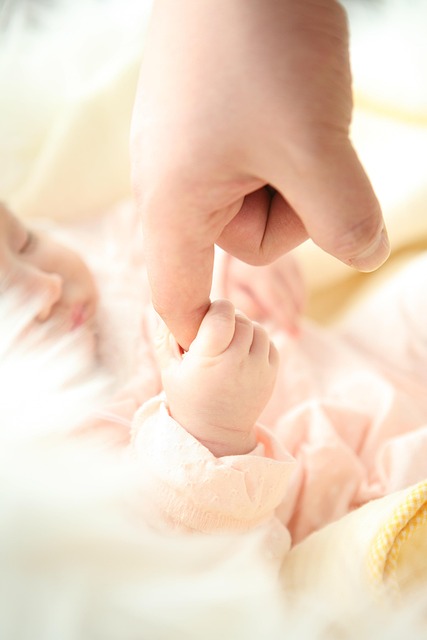
Fertility Tracking and Conception: A Personalized Approach
There are several methods of fertility tracking, and each has its own pros and cons. Some of the most popular methods include:
1. Basal Body Temperature (BBT) Tracking: This method involves taking your temperature every morning before getting out of bed and recording it on a chart. A slight increase in temperature usually indicates that ovulation has occurred.
2. Cervical Mucus Tracking: The consistency and quantity of cervical mucus change throughout a woman’s cycle, with the most fertile mucus resembling raw egg whites. By tracking these changes, women can determine when they are most likely to conceive.
3. Ovulation Predictor Kits (OPKs): These kits measure the levels of luteinizing hormone (LH) in the urine, which typically surge 24-48 hours before ovulation. A positive result indicates that ovulation is about to occur, making it an excellent tool for predicting the fertile window.
4. Fertility Apps: With the rise of technology, many women are turning to fertility tracking apps to help them monitor their cycles. These apps use data input by the user, such as BBT and menstrual cycle length, to predict ovulation and the fertile window.
Effectiveness of Fertility Tracking:
While fertility tracking can be a useful tool for couples trying to conceive, it’s essential to note that it is not foolproof. Various factors can affect the accuracy of tracking methods, such as irregular cycles, medication, and stress. Additionally, fertility tracking does not guarantee conception; it merely helps optimize the chances of getting pregnant.
It’s also crucial to remember that fertility tracking alone cannot diagnose fertility issues. If a couple has been trying to conceive for over a year without success, it’s best to seek medical advice to rule out any underlying issues.
Incorporating a Holistic Approach:
While fertility tracking can be a valuable tool, it’s essential to remember that it’s just one aspect of a holistic approach to conception. Factors such as diet, exercise, and stress levels can also play a significant role in fertility. By taking a personalized approach and incorporating other healthy habits, couples can increase their chances of conceiving naturally.
Some additional ways to support fertility include acupuncture, herbal remedies, and mind-body practices such as yoga and meditation. These methods can help reduce stress, balance hormones, and promote overall wellness, creating an optimal environment for conception.
In conclusion, fertility tracking offers couples a personalized and proactive approach to conception. By understanding their reproductive cycles and utilizing various tracking methods and tools, couples can optimize their chances of getting pregnant and potentially reduce the time it takes to conceive. However, it’s essential to remember that fertility tracking is just one piece of the puzzle, and a holistic approach to fertility is crucial for overall health and wellness.