Summary:
Motherhood is often seen as a defining milestone in a woman’s life, and society has long placed an emphasis on starting a family at a young age. However, as advancements in medicine and changes in societal norms have allowed women to delay motherhood, there has been a growing stigma surrounding older motherhood. Women who choose to have children later in life are often met with judgment, criticism, and even discrimination. But why is this stigma still prevalent and how can we break it down?
In this blog post, we will explore the topic of older motherhood and how society’s views on fertility and motherhood have contributed to the stigma. We will also look at the reality of fertility for women over the age of 35, and the challenges and benefits of choosing to become a mother later in life. Finally, we will discuss ways to break down the stigma and celebrate the beauty of older motherhood.
The Stigma of Older Motherhood:
The stigma surrounding older motherhood stems from outdated societal expectations and beliefs about women’s roles and capabilities. Historically, women were expected to marry young and start a family soon after. This was seen as their primary purpose and anything deviating from this norm was frowned upon. As a result, women who chose to delay motherhood were often seen as selfish or unnatural.
Today, although women have more freedom and opportunities, the stigma remains. Women over the age of 35 who decide to have children are often labeled as “geriatric mothers” or “risk pregnancies”. This labeling not only undermines a woman’s ability to make her own choices but also perpetuates the idea that older women are somehow less capable of being good mothers.
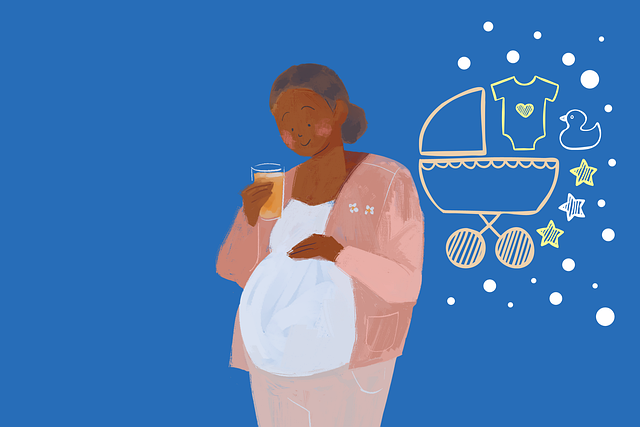
and Fertile: Breaking Down the Stigma of Older Motherhood
Fertility After 35:
One of the main reasons for the stigma surrounding older motherhood is the belief that fertility declines after the age of 35. While it is true that a woman’s fertility decreases with age, the decline is not as steep as many people believe. In fact, women in their late 30s and early 40s can still have a healthy pregnancy and give birth to a healthy baby. The key factor is the individual’s health and lifestyle, not just their age.
The Challenges and Benefits of Older Motherhood:
There is no denying that becoming a mother later in life comes with its own set of challenges. Women may face difficulties in conceiving, higher risks during pregnancy, and concerns about their energy levels and physical ability to care for a child. However, there are also many benefits to becoming a mother later in life. Older mothers are often more financially stable, emotionally mature, and have a better support system in place. They may also have more life experience and be better equipped to handle the challenges of motherhood.
Breaking Down the Stigma:
To break down the stigma surrounding older motherhood, we need to shift our societal views and perceptions. First and foremost, we need to recognize that every woman has the right to make her own choices about when and if she wants to become a mother. We should refrain from making assumptions or judgments about a woman’s age or ability to be a good mother.
Moreover, we need to educate ourselves and others about the reality of fertility after 35. By debunking myths and misconceptions, we can create a more supportive and understanding environment for older mothers. We also need to celebrate the beauty and strength of older mothers and showcase their diverse experiences. This can help to normalize and destigmatize older motherhood.
In addition, we can support and empower older mothers by offering more flexible and inclusive policies in the workplace. Many women may delay motherhood due to career aspirations, and by providing equal opportunities and support for working mothers, we can break down the stigma and promote a more inclusive society.
In conclusion, the stigma surrounding older motherhood is a result of outdated societal expectations and beliefs about women’s roles and capabilities. While there are challenges that come with becoming a mother later in life, there are also many benefits. By breaking down the stigma and celebrating the beauty of older motherhood, we can create a more inclusive and supportive society for all women.