Conception After Loss: Tips for Coping and Moving Forward
Losing a child is a devastating experience that can deeply impact a person’s life. For many parents who have experienced pregnancy loss, the thought of trying to conceive again can bring up a range of emotions, from fear and anxiety to hope and excitement. This process, known as conception after loss, can be a difficult and complex journey. However, there are some tips and strategies that can help parents cope and move forward in a healthy way. In this blog post, we will explore some of these tips and offer guidance for those who may be struggling with conception after loss.
1. Acknowledge and Validate Your Feelings
The first step in coping with conception after loss is to acknowledge and validate your feelings. It is completely normal to experience a range of emotions, including sadness, anger, guilt, and anxiety. Many parents may feel like they are betraying their lost child by trying to conceive again, while others may worry about facing another loss. It is important to give yourself permission to feel these emotions and to understand that they are a natural part of the grieving process. By acknowledging and validating your feelings, you can begin to process them in a healthy way.
2. Seek Support
Grief can be an isolating experience, and it is common for people to feel like no one understands what they are going through. However, seeking support from others who have experienced pregnancy loss can be incredibly helpful. Joining a support group or connecting with other parents through online forums or social media can provide a sense of community and understanding. It can also be beneficial to seek professional counseling to work through your grief and emotions surrounding conception after loss.
3. Communicate with Your Partner
Conception after loss can also have a significant impact on your relationship with your partner. It is important to communicate openly and honestly with your partner about your feelings, fears, and hopes. This can help you both understand and support each other during this difficult time. If you are struggling to communicate, consider seeking couples therapy to work through any challenges or conflicts.
4. Take Care of Yourself
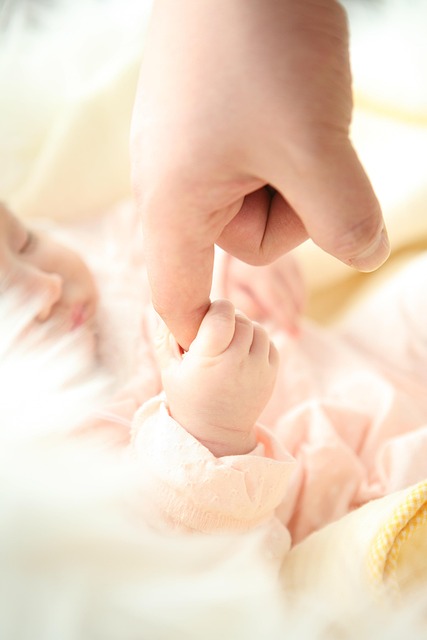
Conception After Loss: Tips for Coping and Moving Forward
Grieving can be physically and emotionally draining, and it is important to take care of yourself during this time. Make sure to get enough rest, eat well, and engage in activities that bring you joy. It is also important to be patient with yourself and give yourself time to heal. Trying to conceive again can be a physically and emotionally taxing process, so make sure to prioritize self-care and seek help if needed.
5. Set Realistic Expectations
Conception after loss can be a rollercoaster of emotions, and it is important to set realistic expectations for yourself. Understand that it may take some time to conceive again, and it is normal to feel a mix of emotions throughout the process. It is also important to recognize that each pregnancy and child is unique, and it is not fair to compare your experience to others. Set realistic expectations and be gentle with yourself as you navigate this journey.
6. Consider Alternative Paths to Parenthood
For some parents, the thought of trying to conceive again after a loss may be too overwhelming. It is important to know that there are alternative paths to parenthood, such as adoption or surrogacy, that may be a better fit for you and your partner. These options may provide a sense of hope and healing for those who are struggling with conception after loss.
7. Honor Your Lost Child
Conceiving again after a loss can bring up mixed emotions. It is important to remember and honor the child you lost, and not to feel guilty for wanting to have another child. You can find ways to pay tribute to your lost child, such as creating a memory box or participating in a charity event in their name. This can help you find closure and honor their place in your life and your family.
Moving forward after a loss is a difficult and personal journey, and there is no right or wrong way to cope with conception after loss. It is important to take things one day at a time and to be patient and kind to yourself throughout the process. With the right support and coping strategies, it is possible to find hope and healing as you embark on the journey of conception after loss.
In summary, conception after loss can be a difficult and emotional journey for parents who have experienced pregnancy loss. It is important to acknowledge and validate your feelings, seek support from others, communicate with your partner, take care of yourself, set realistic expectations, consider alternative paths to parenthood, and honor your lost child. With these tips and strategies, parents can cope and move forward in a healthy way as they navigate the process of conceiving again after loss.