Acupuncture and Preconception: A Holistic Approach to Starting a Family
Starting a family is often a cherished goal for many individuals and couples. However, the journey to conception can be fraught with challenges and obstacles. While modern medicine has made great strides in assisting with fertility issues, many individuals are turning to alternative and holistic approaches to support their preconception journey. One such approach is acupuncture, which has been used for thousands of years in Traditional Chinese Medicine (TCM) to promote overall health and wellness. In recent years, acupuncture has gained popularity as a natural and effective way to support preconception and fertility. In this blog post, we will explore the benefits of acupuncture for preconception and how it can help individuals and couples achieve their dream of starting a family.
What is Acupuncture?
Acupuncture is a form of Traditional Chinese Medicine that involves the insertion of thin needles into specific points on the body. These points are believed to correspond to energy pathways, or meridians, that run throughout the body. By stimulating these points, acupuncture aims to restore balance and promote the flow of energy, known as Qi, throughout the body. This, in turn, is thought to promote overall health and wellness by addressing any imbalances in the body.
How Acupuncture Can Help with Preconception
Acupuncture has been shown to have numerous benefits for those trying to conceive. One of the most significant ways it can support preconception is by reducing stress and anxiety. The journey to starting a family can be emotionally and physically taxing, and stress and anxiety can have a negative impact on fertility. Acupuncture has been found to stimulate the release of endorphins, also known as the body’s natural “feel-good” hormones, which can help reduce stress and promote relaxation. This can have a positive effect on fertility by reducing the negative impact of stress on the body.
Acupuncture can also improve blood flow and circulation, which is essential for reproductive health. By stimulating specific points on the body, acupuncture can increase blood flow to the uterus and ovaries, promoting a healthy environment for conception. It can also help regulate the menstrual cycle and promote regular ovulation, which is crucial for successful conception. Additionally, acupuncture has been found to improve the quality of eggs and sperm, which can increase the chances of a successful pregnancy.
In cases of fertility issues such as endometriosis, polycystic ovary syndrome (PCOS), and unexplained infertility, acupuncture has been shown to be a helpful complementary treatment. It can help reduce inflammation, regulate hormone levels, and improve overall reproductive health, which can increase the chances of conception.
Acupuncture for Men’s Fertility
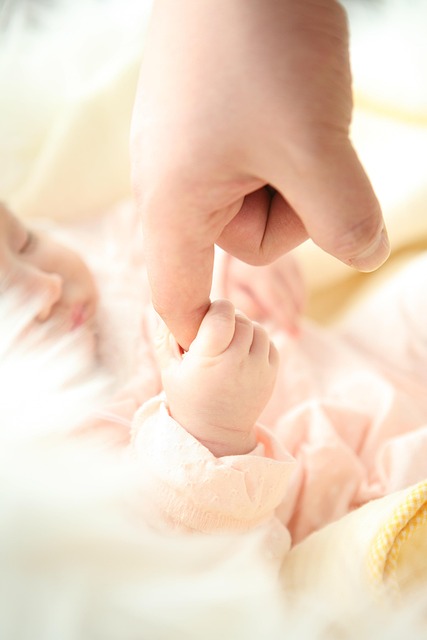
Acupuncture and Preconception: A Holistic Approach to Starting a Family
While much of the focus on acupuncture and preconception is on women, it can also be beneficial for men’s fertility. Studies have shown that acupuncture can improve sperm quality and count, which is crucial for successful conception. It can also help improve sexual function and libido, which can be affected by stress and other factors.
A Holistic Approach to Preconception
One of the significant benefits of acupuncture for preconception is its holistic approach to health and wellness. TCM views the body as a whole, and acupuncture aims to address any imbalances that may be affecting overall health. By restoring balance and promoting the flow of energy, acupuncture can help optimize the body’s natural functions, including reproductive health. This holistic approach can also address any underlying health issues that may be contributing to fertility problems, such as digestive issues, autoimmune disorders, and chronic pain.
Acupuncture can also be used in conjunction with other fertility treatments, such as in vitro fertilization (IVF). Studies have shown that acupuncture can improve the success rates of IVF by increasing blood flow to the uterus, reducing stress, and improving the quality of eggs and sperm. It can also help alleviate some of the side effects of fertility medications, such as headaches, bloating, and mood swings.
The Role of Nutrition in Preconception
In TCM, nutrition is an essential aspect of overall health and wellness. Foods are believed to have different properties that can either support or hinder the body’s functions. Therefore, as part of a holistic approach to preconception, acupuncture practitioners may also provide guidance on nutrition and dietary changes that can support fertility. This can include incorporating fertility-boosting foods, such as leafy greens, healthy fats, and whole grains, while avoiding foods that may negatively impact fertility, such as processed foods, sugar, and caffeine.
The Mind-Body Connection in Preconception
Another vital aspect of a holistic approach to preconception is the mind-body connection. Acupuncture can help individuals and couples connect with their bodies and become more mindful of their physical and emotional needs. This can be especially helpful in managing stress and anxiety, which can have a significant impact on fertility. Acupuncture can also be combined with other mind-body practices, such as meditation, yoga, and breathing exercises, to promote relaxation and overall well-being.
In summary, acupuncture offers a holistic approach to preconception that can help individuals and couples optimize their physical and emotional well-being to support fertility. By addressing imbalances in the body, reducing stress, improving circulation, and promoting relaxation, acupuncture can increase the chances of successful conception. It can also be used in conjunction with other fertility treatments and combined with nutrition and mind-body practices for a comprehensive and personalized approach to starting a family.