Blog Post Title: Fertility and Genetics: What to Consider in Your Preconception Plan
Summary:
Planning to start a family is an exciting and important decision. However, it’s essential to consider various factors before conception, including fertility and genetics. Fertility refers to the ability to conceive and carry a pregnancy to term, while genetics plays a crucial role in determining the health and well-being of the future child. In this blog post, we will discuss the key aspects to consider in your preconception plan regarding fertility and genetics to ensure a healthy and successful pregnancy.
Firstly, it’s important to understand your fertility potential. Factors such as age, lifestyle choices, medical history, and underlying conditions can affect your fertility. Women are born with a fixed number of eggs, and as they age, the quantity and quality of eggs decline, making it harder to conceive. Therefore, it’s recommended to consult a fertility specialist to assess your fertility potential and identify any potential issues that may hinder conception.
Next, it’s crucial to maintain a healthy lifestyle when planning for pregnancy. A balanced diet, regular exercise, and maintaining a healthy weight can help improve fertility and increase the chances of a successful pregnancy. It’s also essential to avoid smoking, excessive alcohol consumption, and illicit drug use, as these can negatively impact fertility and increase the risk of pregnancy complications.
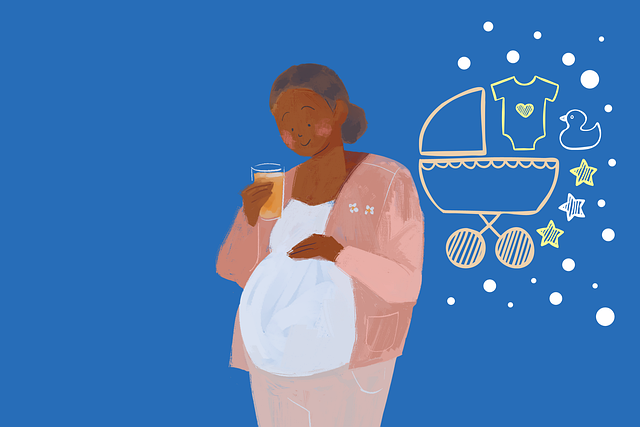
Fertility and Genetics: What to Consider in Your Preconception Plan
Genetics plays a significant role in determining the health of the future child. Therefore, it’s important to consider your family’s medical history and any genetic disorders that may run in the family. Certain genetic conditions, such as cystic fibrosis, sickle cell anemia, and thalassemia, can be passed on from parents to their children. In such cases, it’s recommended to undergo genetic testing to determine the risk of passing on these conditions and seek appropriate medical advice.
In addition to the above, it’s also crucial to understand the importance of preconception genetic screening. This involves testing for genetic disorders that may not be present in the family history but can still be passed on to the child. Preconception genetic screening can help identify any potential risks and allow for early intervention and management to ensure a healthy pregnancy and baby.
Another important aspect to consider in your preconception plan is your partner’s fertility and genetics. It’s essential to discuss and understand any potential risks and take necessary precautions to optimize the chances of a healthy pregnancy. If there are any concerns or underlying conditions, it’s recommended for both partners to undergo fertility and genetic testing to ensure a thorough assessment.
Furthermore, it’s crucial to seek proper medical care and advice during the preconception period. Your doctor can provide personalized recommendations and guidance based on your individual fertility potential and genetic risks. They can also prescribe prenatal vitamins and supplements to ensure the optimal health of both the mother and the baby during pregnancy.
Lastly, it’s essential to prioritize your mental and emotional well-being during the preconception period. Planning for a baby can be stressful and overwhelming, and it’s crucial to address any concerns or fears you may have. Seek support from your partner, family, friends, or a mental health professional, if needed, to ensure a healthy and positive mindset before conception.
In conclusion, fertility and genetics are important factors to consider in your preconception plan. Understanding your fertility potential, maintaining a healthy lifestyle, addressing any genetic risks, and seeking proper medical care are key to increase the chances of a healthy and successful pregnancy. Prioritizing mental and emotional well-being is also crucial in preparing for parenthood. By considering and addressing these factors, you can ensure a healthy and happy start to your journey of parenthood.