Navigating Age and Preconception Planning: Tips for Older Mothers-to-Be
The decision to start a family is a big one, and for women who are approaching their mid-30s or beyond, it can come with additional considerations. As more and more women are choosing to delay childbearing, the number of older mothers-to-be is on the rise. While there are many joys and benefits to becoming a mother later in life, there are also unique challenges and risks that come with it. In this blog post, we will discuss the key factors that older mothers-to-be should consider when navigating preconception planning, as well as tips and advice to help make the journey smoother and healthier.
1. Understanding the Risks and Challenges
It is important for older mothers-to-be to be aware of the potential risks and challenges that come with pregnancy at a later age. As a woman ages, her fertility declines and the chances of getting pregnant naturally decrease. According to the American College of Obstetricians and Gynecologists, a woman’s fertility starts to decline significantly after the age of 35. This means that it may take longer to conceive and there is an increased risk of infertility.
In addition, older mothers-to-be are at a higher risk for certain pregnancy complications such as gestational diabetes, high blood pressure, and preeclampsia. There is also an increased risk of chromosomal abnormalities, such as Down syndrome, in babies born to older mothers. It is important to discuss these risks with your healthcare provider and be prepared for any potential challenges that may arise during pregnancy.
2. Talk to Your Doctor
Before trying to conceive, it is crucial for older mothers-to-be to have a preconception visit with their healthcare provider. This visit will assess your overall health and identify any potential issues that may affect your pregnancy. Your doctor may also recommend certain tests, such as genetic testing, to determine your risk for chromosomal abnormalities or other genetic conditions.
During this visit, it is also important to discuss any medications you are taking, as well as any pre-existing health conditions you may have. Your doctor may recommend making changes to your medication or treatment plan in order to have a safer pregnancy. This visit is also a great opportunity to ask any questions or voice any concerns you may have about the pregnancy.
3. Maintaining a Healthy Lifestyle
One of the best ways to prepare for a healthy pregnancy is to maintain a healthy lifestyle. This is especially important for older mothers-to-be, as they may have a higher risk of certain pregnancy complications. Eating a well-balanced diet, staying physically active, and managing stress can all help to ensure a healthy pregnancy.
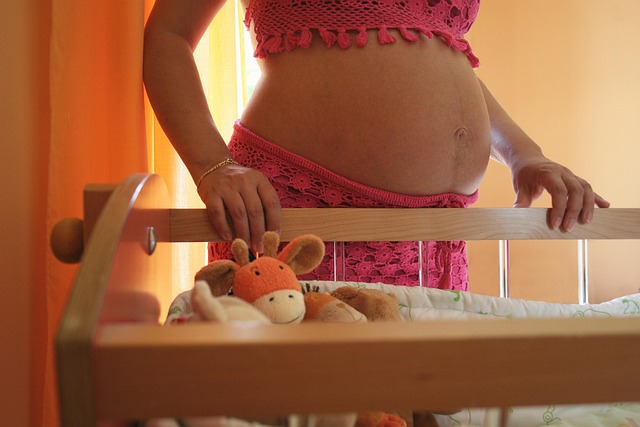
Navigating Age and Preconception Planning: Tips for Older Mothers-to-Be
It is also important to avoid harmful substances such as tobacco, alcohol, and drugs, as they can have a negative impact on fertility and pregnancy. If you are struggling to quit smoking or drinking, talk to your healthcare provider about resources and support that can help you.
4. Consider Your Partner’s Age
While much of the focus is on the age of the mother, it is also important to consider the age of the father-to-be. Advanced paternal age has been linked to an increased risk of certain birth defects and health conditions in babies. It is important to discuss this with your partner and your healthcare provider to determine the best course of action for your family planning.
5. Seek Emotional Support
Pregnancy can be an emotional journey, and this is especially true for older mothers-to-be. Many women in this situation may feel pressure from society, as well as their own fears and doubts about becoming a mother at a later age. It is important to seek emotional support and talk about these feelings with your partner, friends, or a therapist. Building a strong support system can make a big difference in managing the emotional challenges of pregnancy.
6. Be Prepared for the Possibility of IVF
For women over the age of 35, the chances of getting pregnant naturally decrease significantly. In some cases, in vitro fertilization (IVF) may be recommended as a way to increase the chances of conception. IVF involves fertilizing an egg with sperm in a laboratory and then transferring the embryo into the uterus.
It is important for older mothers-to-be to understand the process and potential risks of IVF, as well as the financial costs involved. This may require some planning and preparation, so it is important to discuss this option with your healthcare provider and partner.
Summary:
As more and more women choose to delay childbearing, the number of older mothers-to-be is on the rise. While there are many joys and benefits to becoming a mother later in life, there are also unique challenges and risks that come with it. It is important for older mothers-to-be to understand the potential risks and challenges, talk to their doctor, maintain a healthy lifestyle, consider their partner’s age, seek emotional support, and be prepared for the possibility of IVF. With proper planning and support, older mothers-to-be can have a healthy and fulfilling pregnancy.