Endometriosis is a chronic condition that affects millions of women worldwide. It occurs when the tissue that normally lines the inside of the uterus grows outside of it, causing inflammation, pain, and other symptoms. This condition can affect a woman’s fertility and make it difficult to conceive. Therefore, it is important for women with endometriosis to create a preconception plan to increase their chances of getting pregnant and having a healthy pregnancy.
The first step in creating a preconception plan for women with endometriosis is to consult with a healthcare provider who specializes in this condition. They will be able to assess the severity of the endometriosis and provide personalized recommendations based on the woman’s individual situation. This may include medication to manage symptoms, surgery to remove scar tissue or endometrial implants, or other treatments.
One important aspect of a preconception plan for women with endometriosis is to focus on managing the condition and reducing symptoms. This may involve changes in diet and lifestyle, as well as incorporating stress-reducing activities such as yoga or meditation. It is also important for women to track their menstrual cycles and symptoms to identify any patterns and better understand their bodies.
Another crucial aspect of a preconception plan is to address any potential fertility issues caused by endometriosis. Women with this condition may experience difficulty getting pregnant due to factors such as blocked fallopian tubes, hormonal imbalances, or inflammation. In these cases, assisted reproductive technologies (ART) such as in vitro fertilization (IVF) may be recommended to increase the chances of conception.
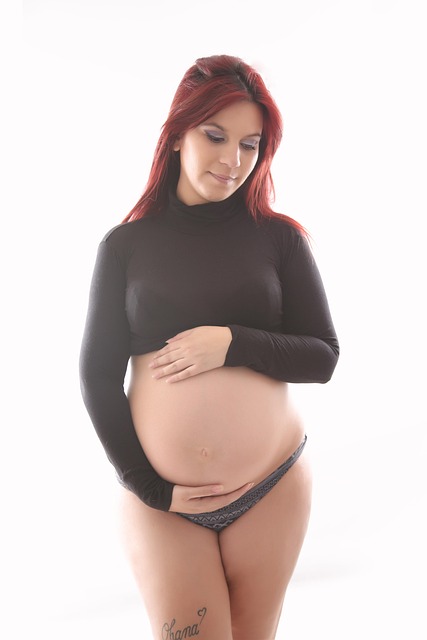
Creating a Preconception Plan for Women with Endometriosis
In addition to managing endometriosis and addressing fertility issues, women with this condition should also focus on optimizing their overall health before trying to conceive. This includes maintaining a healthy weight, quitting smoking, and avoiding excessive alcohol and caffeine consumption. Women should also ensure they are getting enough nutrients and vitamins, particularly folic acid, which is essential for a healthy pregnancy.
It is also important for women with endometriosis to communicate openly and regularly with their partner about their fertility journey. This can help alleviate any stress or tension and create a supportive and understanding environment. It is also important for couples to seek counseling or therapy if needed to address any emotional challenges that may arise during this process.
In addition to these steps, women with endometriosis may also consider alternative or complementary therapies to help manage their symptoms and improve their overall health. These may include acupuncture, herbal supplements, or mind-body techniques. However, it is important to consult with a healthcare provider before incorporating any new treatments into a preconception plan.
In summary, creating a preconception plan for women with endometriosis involves working closely with a healthcare provider, managing the condition, addressing fertility issues, optimizing overall health, and communicating with a partner. This plan may include medication, surgery, lifestyle changes, ART, and alternative therapies to help increase the chances of conception and have a successful pregnancy.