Blog Post:
Pregnancy is a journey that is filled with joy, excitement, and anticipation. However, it is also a time of great responsibility and requires careful planning to ensure the health and well-being of both the mother and the baby. One of the most important steps in preparing for pregnancy is developing a preconception plan. A preconception plan is a set of actions and strategies that couples can take before trying to conceive, with the goal of reducing the risk of pregnancy complications.
Why is a preconception plan important?
A preconception plan is important because it allows couples to identify and address any potential health issues before getting pregnant. By taking the time to plan and prepare, couples can increase their chances of having a healthy pregnancy and a healthy baby.
Many women do not realize they are pregnant until a few weeks into the pregnancy, which means that the first few weeks of fetal development are crucial. This is why it is important to start thinking about a preconception plan even before trying to conceive.
How does a preconception plan reduce the risk of pregnancy complications?
1. Identifies and addresses any underlying health issues
The first step in a preconception plan is to visit a healthcare provider for a preconception check-up. This check-up allows the healthcare provider to evaluate the couple’s overall health and identify any underlying health issues that may affect the pregnancy. For example, if a woman has an undiagnosed chronic condition such as diabetes or high blood pressure, it can increase the risk of pregnancy complications. Identifying these issues and treating them before getting pregnant can significantly reduce the risk of complications during pregnancy.
2. Ensures proper nutrition and vitamin intake
A healthy diet is essential for a healthy pregnancy. A preconception plan includes recommendations for a well-balanced diet that is rich in nutrients such as folic acid, iron, and calcium. Folic acid is crucial for the development of the baby’s brain and spine, and it is recommended for women to take it at least one month before conception. Iron is necessary for the production of red blood cells, and calcium is essential for the development of the baby’s bones. By ensuring proper nutrition, couples can reduce the risk of birth defects and other complications during pregnancy.
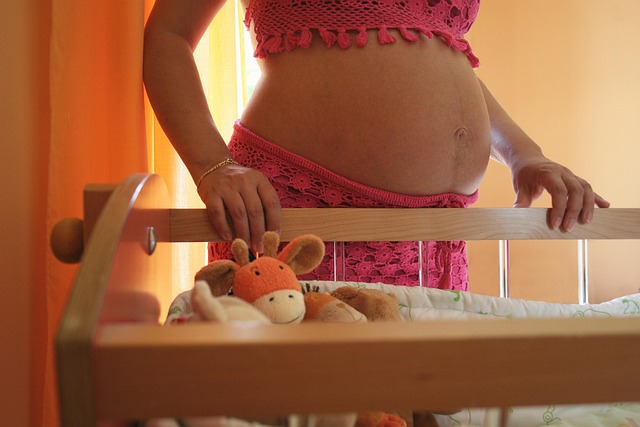
The Role of a Preconception Plan in Reducing the Risk of Pregnancy Complications
3. Avoids exposure to harmful substances
During the preconception planning stage, couples are advised to avoid exposure to harmful substances such as alcohol, tobacco, and certain medications. These substances can increase the risk of birth defects, pregnancy loss, and other complications. By avoiding them, couples can ensure a healthy environment for the baby to develop.
4. Manages pre-existing medical conditions
If a woman has a pre-existing medical condition such as asthma or epilepsy, it is crucial to manage it before getting pregnant. Pregnancy can have an impact on these conditions, and having them under control can reduce the risk of complications during pregnancy. Additionally, certain medications may need to be adjusted or changed before conceiving, so it is essential to work closely with a healthcare provider to manage these conditions.
5. Reduces the risk of pregnancy-related complications
A preconception plan also focuses on maintaining the health of the mother before and during pregnancy. By following a healthy lifestyle and managing any pre-existing conditions, the risk of pregnancy-related complications such as gestational diabetes, preeclampsia, and preterm labor can be significantly reduced.
6. Promotes emotional and mental well-being
Pregnancy can be a physically and emotionally challenging time for women. A preconception plan also includes strategies for promoting emotional and mental well-being before and during pregnancy. This can include stress management techniques, counseling, and support groups. By taking care of their emotional health, women can reduce the risk of pregnancy complications such as depression and anxiety.
In summary, a preconception plan plays a crucial role in reducing the risk of pregnancy complications. By identifying and addressing any underlying health issues, ensuring proper nutrition and vitamin intake, avoiding harmful substances, managing pre-existing conditions, and promoting emotional well-being, couples can increase their chances of having a healthy pregnancy and a healthy baby.
SEO metadata: