Summary:
Navigating cultural and religious differences when preparing for conception as a couple can be a challenging and sensitive process. Couples from different cultural and religious backgrounds may have different beliefs, values, and practices when it comes to starting a family. In this blog post, we will discuss some tips and strategies for couples to navigate these differences and come together to prepare for conception.
Firstly, it is essential for couples to have open and honest communication about their cultural and religious backgrounds, beliefs, and expectations when it comes to starting a family. This communication should be done in a respectful and non-judgmental manner, allowing each partner to express their thoughts and feelings without fear of being criticized or misunderstood.
Next, it is crucial to educate oneself about the other partner’s cultural and religious beliefs and practices. This will help in understanding their perspective and creating a more empathetic and supportive environment. It is also essential to have an open mind and be willing to learn and adapt to new beliefs and practices.
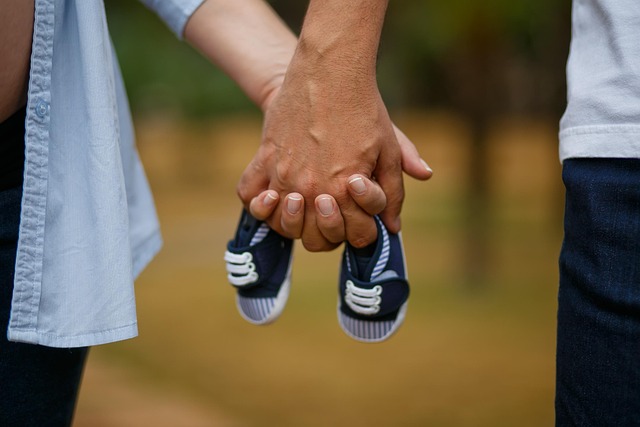
Navigating Cultural and Religious Differences When Preparing for Conception as a Couple
Another important aspect to consider is the potential impact of cultural and religious differences on fertility treatments. Some cultures and religions may have restrictions or guidelines on fertility treatments, such as in-vitro fertilization (IVF) or surrogacy. It is essential to have a thorough understanding of these restrictions and discuss them with your partner to find a mutually agreeable solution.
Couples should also discuss and come to a consensus on how to raise their child in terms of cultural and religious practices. This may include deciding on religious ceremonies, rituals, and holidays that will be celebrated, as well as how to incorporate both cultures into the child’s life.
Additionally, it is crucial to involve and seek support from the families of both partners. Family plays a significant role in many cultures and religions, and their support and understanding can make the journey of preparing for conception easier. Couples should have open and respectful conversations with their families about their plans and seek their guidance and support in navigating cultural and religious differences.
Finally, it is essential for couples to seek professional help if needed. A counselor or therapist can provide a safe and unbiased space for couples to discuss their concerns, fears, and conflicts related to cultural and religious differences. They can also provide strategies and tools to help couples communicate effectively and find common ground when it comes to preparing for conception.
In conclusion, navigating cultural and religious differences when preparing for conception can be a challenging but rewarding process for couples. By having open and honest communication, educating oneself, considering the impact of differences on fertility treatments, discussing how to raise a child, seeking support from families, and seeking professional help if needed, couples can come together and create a loving and supportive environment for starting a family.