Blog Post:
Fertility beliefs and practices are an integral part of the cultural traditions and customs in Oceania, a vast region encompassing thousands of islands in the Pacific Ocean. These beliefs and practices have been passed down from generation to generation and are deeply rooted in the daily lives of the people in Oceania.
One of the key beliefs in fertility in Oceania is the belief in the power of ancestral spirits. Ancestral spirits are believed to have a direct influence on fertility, and it is believed that they can bless or curse individuals with the ability to conceive. In many cultures in Oceania, offerings and rituals are performed to appease the ancestral spirits and seek their blessings for fertility.
Another commonly held belief is that fertility is connected to the land and nature. The fertility of the land is seen as directly linked to the fertility of individuals, and it is believed that if the land is fertile, the people will also be fertile. This belief is reflected in many traditional practices, such as planting and harvesting rituals that are performed to ensure the fertility of the land and the people.
In some cultures in Oceania, there is also a strong belief in the power of fertility gods and goddesses. These deities are believed to control and govern aspects of fertility, and offerings and rituals are performed to seek their favor. In Polynesian cultures, for example, Hina is the goddess of fertility and is often invoked by couples who are trying to conceive.
In addition to these beliefs, there are also various fertility practices that are commonly followed in Oceania. One of the most well-known practices is the use of fertility dances. These dances are performed to honor the ancestral spirits and fertility deities, and it is believed that the energetic movements and rhythms can invoke their power and bring about fertility.
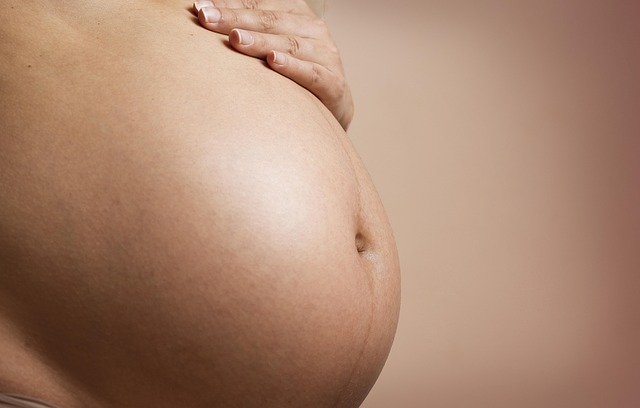
Fertility Beliefs and Practices in Oceania
Another practice is the use of traditional medicines and herbs to aid in fertility. In many cultures, specific plants and herbs are believed to have properties that can enhance fertility and increase the chances of conception. These medicines are often prepared and administered by traditional healers who have inherited the knowledge and practices from their ancestors.
In some cultures, there are also specific rituals and traditions that are performed for couples who are trying to conceive. These rituals may involve the participation of the whole community, and they are believed to bring about blessings and good luck for fertility. In Papua New Guinea, for example, there is a tradition called “singing to the womb,” where women gather to sing and dance to honor the womb and call for fertility.
These fertility beliefs and practices are deeply ingrained in the cultures of Oceania and continue to be a vital part of the lives of the people. They are not only seen as a means to conceive but also as a way to connect with the spiritual world and maintain a harmonious relationship with nature.
In recent years, however, there has been a shift towards modern medical interventions for fertility issues in Oceania. This shift has been driven by various factors such as access to technology, Western influence, and changing societal norms. While modern interventions have proved to be successful in many cases, there is still a strong attachment to traditional fertility beliefs and practices in Oceania.
In conclusion, fertility beliefs and practices in Oceania are a complex blend of spiritual, cultural, and traditional practices. They reflect the deep connection that the people have with their ancestors, nature, and their community. As Oceania continues to evolve and modernize, these beliefs and practices will continue to play a significant role in shaping the attitudes and practices towards fertility in the region.
Summary:
Fertility beliefs and practices in Oceania are influenced by ancestral spirits, the land and nature, and fertility gods and goddesses. These beliefs are reflected in various rituals, traditions, and practices such as fertility dances, use of traditional medicines, and community rituals. While there is a shift towards modern medical interventions, traditional beliefs and practices remain an integral part of the cultural traditions in Oceania.