The Caribbean is a region known for its vibrant culture, beautiful beaches, and delicious food. But it is also a place where fertility is highly valued and celebrated. For many Caribbean couples, having children is considered a blessing, and fertility-boosting practices are deeply ingrained in their cultural traditions. In this blog post, we will explore some of the fertility-boosting practices in the Caribbean and how they have been passed down through generations.
One of the most well-known fertility-boosting practices in the Caribbean is the use of herbal remedies. Many Caribbean countries have a long history of using herbs and plants for medicinal purposes, and fertility is no exception. These herbs are believed to have properties that can help regulate hormones, improve egg quality, and increase sperm count. Some commonly used herbs for fertility include maca root, moringa, and soursop. These herbs are often consumed in the form of teas, soups, or supplements.
In addition to herbal remedies, diet plays a crucial role in fertility in the Caribbean. Traditional Caribbean cuisine is rich in fruits, vegetables, and seafood, which are known to be beneficial for fertility. For example, ackee, a popular fruit in Jamaica, is believed to improve fertility in women. It is often cooked with saltfish and served as a breakfast dish. Fish, especially salmon and sardines, are also considered fertility-boosting foods due to their high levels of omega-3 fatty acids, which are essential for reproductive health.
Another interesting fertility practice in the Caribbean is the use of fertility dolls. These dolls, also known as “fertility statues,” are believed to have the power to increase fertility in women. They are usually made by hand and can be found in various forms, such as wooden figures or clay sculptures. These dolls are often passed down through generations and are considered a sacred object in many Caribbean cultures.
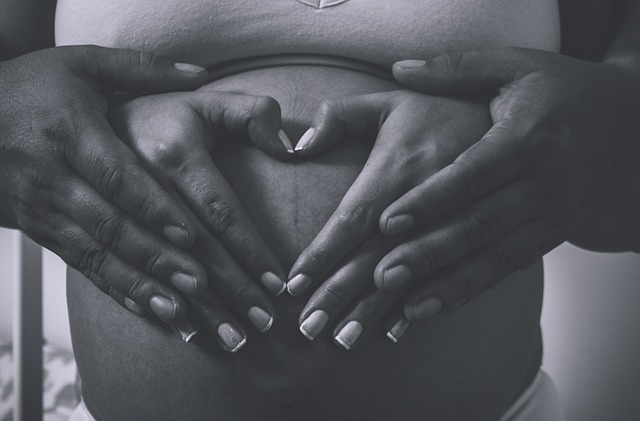
Fertility-Boosting Practices in the Caribbean
Apart from traditional practices, modern fertility treatments are also gaining popularity in the Caribbean. In recent years, the region has seen an increase in fertility clinics and specialists offering a range of treatments, from basic hormone therapies to more advanced procedures like in vitro fertilization (IVF). These clinics often combine traditional practices with modern medicine, providing a holistic approach to fertility.
Religious and spiritual beliefs also play a significant role in fertility practices in the Caribbean. Many Caribbean countries have a strong Christian influence, and faith-based fertility rituals and prayers are commonly practiced. For example, in Haiti, there is a tradition of “pwen,” which involves wearing a small piece of paper with a prayer written on it, believed to help with fertility. In Trinidad and Tobago, there is a tradition of “Mother of God” prayers, where women pray to the Virgin Mary for fertility and a healthy pregnancy.
Apart from these practices, there are also various cultural beliefs and superstitions surrounding fertility in the Caribbean. For example, in some cultures, it is believed that wearing certain colors, such as red or yellow, can increase fertility. Some also believe that placing a piece of jewelry in a glass of water under the moonlight can help with conception. These beliefs may seem unusual to outsiders, but they hold great significance in Caribbean culture and are still widely practiced today.
In conclusion, fertility-boosting practices in the Caribbean are a blend of traditional practices, modern medicine, and cultural beliefs. These practices have been passed down through generations and are deeply ingrained in Caribbean culture. From herbal remedies and dietary choices to fertility dolls and religious rituals, the Caribbean offers a unique and diverse approach to fertility. Whether one chooses to follow these practices or not, they are a significant part of the region’s cultural identity and continue to be celebrated and valued by many.