Fertility Traditions in Indigenous Cultures: Honoring Mother Earth and Embracing New Life
Fertility is a vital aspect of human existence, and the ability to bear children is often seen as a blessing and a source of great joy. In many indigenous cultures around the world, fertility is deeply intertwined with their spiritual beliefs, traditional practices, and connection to the land. These cultures have unique fertility traditions that have been passed down through generations, and they continue to be celebrated and honored to this day. In this blog post, we will explore the diverse fertility traditions in indigenous cultures, their significance, and how they reflect the deep reverence for Mother Earth and the cycle of life.
The Connection between Fertility and Mother Earth
In many indigenous cultures, fertility is seen as a gift from Mother Earth. This is because the land is considered a source of life and abundance, providing sustenance for both humans and animals. Therefore, fertility is closely tied to the health of the land and the balance of nature. In many cultures, there are rituals and ceremonies that are performed to honor and thank Mother Earth for her blessings of fertility.
For example, in the Maori culture of New Zealand, the goddess Papatuanuku is revered as the mother of all creation. She is believed to give birth to all living things, including humans, and is seen as the ultimate symbol of fertility. The Maori people have a deep connection to the land, and their fertility traditions reflect their relationship with Mother Earth. One such tradition is the blessing of the land, where women offer prayers and gifts to Papatuanuku to ask for her blessings of fertility and abundance.
Similarly, in Native American cultures, the Earth is seen as a living and sacred being. The Navajo people, for instance, believe that everything in the universe is interconnected, and Mother Earth is the source of all life. They have a tradition called the “Beauty Way” that is performed to restore balance and harmony to the Earth. This ceremony involves singing, dancing, and offering prayers to honor the land and its life-giving qualities.
Rituals and Ceremonies to Promote Fertility
Indigenous cultures have various rituals and ceremonies that are performed to promote fertility and ensure a healthy pregnancy. These traditions are often deeply rooted in spiritual beliefs and are seen as a way to connect with the ancestors and the gods.
In the Yoruba culture of West Africa, the Egungun festival is celebrated to honor the ancestors and ask for their blessings of fertility. During this festival, women participate in rituals and dances to invoke the spirits of their ancestors and ask for their assistance in conceiving a child. The festival is also a time for women to come together and share their experiences, providing emotional support and solidarity for those who may be struggling with fertility issues.
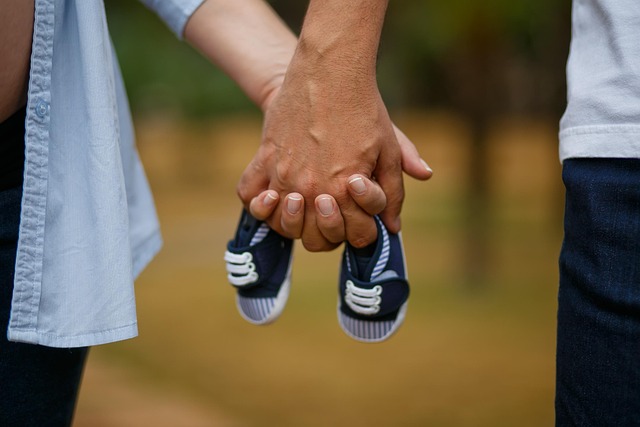
Fertility Traditions in Indigenous Cultures
In the Andean culture of Peru, the Qoyllur Rit’i festival is a celebration of fertility and the cycle of life. The festival takes place in the Andes mountains, and it is a time for the community to gather and give offerings to the Apus (mountain spirits) and the Pachamama (Mother Earth). The festival is also a celebration of new life and motherhood, and it is believed that by participating in the rituals, women can increase their chances of fertility and a successful pregnancy.
Honoring the Divine Feminine
In many indigenous cultures, fertility is seen as a sacred and divine aspect of femininity. Women are revered as the bearers of life and are seen as powerful and sacred beings. This is reflected in the various fertility traditions that honor the divine feminine and its connection to Mother Earth.
In the Balinese culture, for instance, the Melasti ritual is performed to honor Ibu Pertiwi (Mother Earth) and the goddess Dewi Sri, who is believed to be the goddess of fertility and agriculture. During this ritual, women carry offerings to the sea, symbolizing their connection to the water and the Earth, and ask for blessings of fertility and abundance.
Similarly, in the Inuit culture of Alaska, the goddess Sedna is revered as the mother of the sea and all living beings. She is believed to have the power to control the abundance of sea animals, which was crucial for the survival of the Inuit people. There are rituals and ceremonies dedicated to Sedna, where women offer gifts and prayers to ask for her blessings of fertility and a successful hunt.
Embracing New Life
In indigenous cultures, fertility is not only celebrated but also seen as a responsibility and a duty. The ability to bear children is seen as a gift from the gods, and it is the duty of both men and women to ensure the continuity of their culture and traditions.
In the Maasai culture of Kenya and Tanzania, for example, it is customary for women to have multiple children, as it is believed to be a sign of strength and fertility. The Maasai people have a deep connection to their ancestors and believe that by having many children, they are honoring their ancestors and keeping their culture alive.
Similarly, in the Hmong culture of Southeast Asia, large families are seen as a symbol of prosperity and blessings from the gods. Women are expected to have many children, and fertility is highly valued and celebrated. There are also rituals and ceremonies that are performed to ensure the safe delivery of a child and to protect the newborn from any harm.
In summary, fertility traditions in indigenous cultures are deeply rooted in spiritual beliefs and reflect the close connection between humans, the Earth, and the cycle of life. These traditions honor Mother Earth and the divine feminine, promote fertility, and serve as a way to embrace new life and ensure the continuity of their culture and traditions.