Blog Post Title: The Powerful Connection between Traditional Dance and Music and Fertility
Traditional dance and music have been an integral part of human culture since ancient times. These forms of expression have deep roots in various cultures and have been passed down from generation to generation. Apart from being a source of entertainment and a way to preserve cultural heritage, traditional dance and music also have a significant impact on fertility. In this blog post, we will explore the various ways in which traditional dance and music affect fertility and its importance in society.
Historical Significance of Traditional Dance and Music
Traditional dance and music have played a crucial role in human history, dating back to the ancient civilizations of Egypt, Greece, and Mesopotamia. These forms of expression were used to celebrate important events such as harvest festivals, religious ceremonies, and even fertility rituals. They were believed to have a direct connection with nature and were used to invoke the gods and goddesses for fertility and abundance.
Impact of Traditional Dance and Music on Fertility
1. Promotes Physical and Emotional Well-Being
Traditional dance and music involve rhythmic movements and sounds, which have a positive impact on the body and mind. These activities stimulate the release of endorphins, which are known to reduce stress and promote feelings of happiness and relaxation. In ancient fertility rituals, participants were encouraged to dance and play instruments as a way to connect with their bodies and release any negative energy that might hinder fertility.
2. Enhances Social Bonding and Community Support
Dance and music have always been a way for people to come together and celebrate their culture. In traditional societies, fertility was seen as a community affair, and everyone played a role in supporting couples who were trying to conceive. Traditional dances and songs were used to bring people together and create a sense of unity and support for those struggling with fertility issues. This social bonding not only provided emotional support but also helped to reduce the stress and anxiety associated with fertility struggles, which can have a negative impact on conception.
3. Represents Fertility Symbols and Metaphors
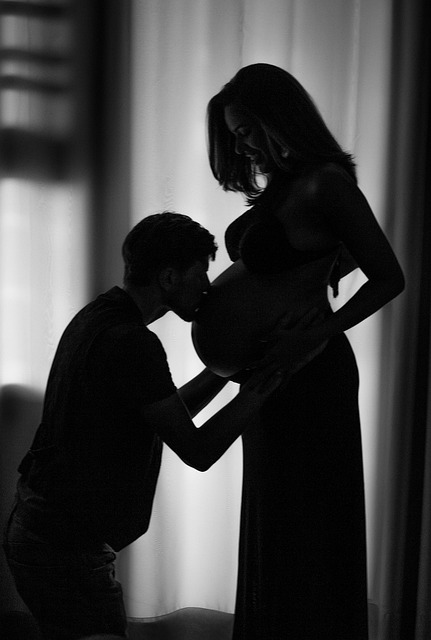
The Impact of Traditional Dance and Music on Fertility
Many traditional dances and songs have fertility symbols and metaphors embedded in their movements and lyrics. For example, in Native American cultures, the Eagle Dance is performed to honor fertility and the connection between humans and nature. The dance movements imitate the flight of the eagle, symbolizing fertility and abundance. In some African cultures, traditional songs and dances are used to represent fertility gods and goddesses, invoking their blessings for those seeking to conceive.
4. Balances Hormones and Encourages Natural Conception
The rhythmic movements and sounds in traditional dance and music have a profound effect on the body’s hormonal balance. Studies have shown that dancing can help regulate hormones such as estrogen and progesterone, which are crucial for reproductive health. In traditional fertility rituals, dancing and music were used to balance the hormonal levels of both men and women, increasing their chances of natural conception.
5. Provides a Safe Space for Expression and Healing
Fertility struggles can be emotionally draining and affect one’s self-esteem and confidence. Traditional dance and music provide a safe space for individuals to express their feelings and release any pent-up emotions. In some cultures, women who were having difficulty conceiving would participate in fertility dances and songs, allowing them to let go of any negative thoughts and feelings and open themselves up to the possibility of conception.
The Importance of Traditional Dance and Music in Society
Traditional dance and music play a vital role in preserving cultural heritage and passing down traditions to future generations. They also have a significant impact on fertility and promote overall well-being and community support. In modern society, where fertility issues are becoming increasingly common, the importance of traditional dance and music cannot be overlooked.
In conclusion, traditional dance and music have a powerful connection with fertility. They not only provide physical and emotional benefits but also represent fertility symbols and metaphors, balance hormones, and create a supportive community for those struggling with fertility issues. As we continue to celebrate and cherish our cultural traditions, we must also recognize and appreciate the impact they have on our fertility and overall well-being.
Summary:
Traditional dance and music have been a part of human culture since ancient times and have deep roots in many societies. Apart from being a source of entertainment and preserving cultural heritage, they also have a significant impact on fertility. These forms of expression promote physical and emotional well-being, enhance social bonding and community support, represent fertility symbols and metaphors, balance hormones, and provide a safe space for expression and healing. In modern society, where fertility issues are prevalent, the importance of traditional dance and music cannot be overlooked.