Blog Post: The Connection Between Fertility and Traditional Korean Medicine
Fertility is a topic that has been of great importance to many cultures and societies throughout history. In traditional Korean medicine, there is a deep understanding and connection between fertility and overall health and wellness. This ancient practice has been used for centuries to help individuals achieve and maintain optimal fertility and reproductive health. In this blog post, we will explore the history, principles, and practices of traditional Korean medicine and its connection to fertility.
History of Traditional Korean Medicine
Traditional Korean medicine, also known as Hanbang, originated over 2,000 years ago and is rooted in the principles of Taoism and Confucianism. It is a holistic approach to healthcare that focuses on the balance and harmony between the body, mind, and spirit. Traditional Korean medicine includes various practices such as acupuncture, herbal medicine, moxibustion, and cupping therapy, all of which are interconnected and used to treat a wide range of health issues.
The Connection Between Fertility and Traditional Korean Medicine
According to traditional Korean medicine, fertility is not just about the ability to conceive but is a reflection of one’s overall health and well-being. It is believed that a person’s energy, or “Qi,” must flow freely and be in balance for optimal fertility. Any blockages or imbalances in the body can lead to fertility issues.
One of the key principles of traditional Korean medicine is the concept of “Ki-Heung,” which means the balance between Yin and Yang energies. Yin represents the feminine and Yang represents the masculine. In terms of fertility, a balance between these two energies is crucial for conception and a healthy pregnancy. Traditional Korean medicine also emphasizes the importance of nourishing the body with proper nutrition and avoiding harmful substances such as alcohol, tobacco, and processed foods, which can disrupt the balance of Yin and Yang energies.
Acupuncture and Herbal Medicine for Fertility
Acupuncture is a widely used practice in traditional Korean medicine and has been found to be effective in treating a variety of health issues, including fertility. The process involves inserting thin needles into specific points on the body to help unblock energy flow and restore balance. In terms of fertility, acupuncture can help regulate the menstrual cycle, improve egg quality, and increase blood flow to the reproductive organs.
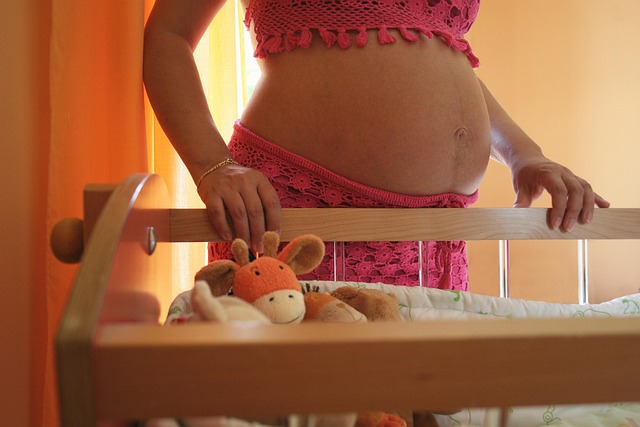
The Connection Between Fertility and Traditional Korean Medicine
Herbal medicine is another cornerstone of traditional Korean medicine and has been used for centuries to treat various health conditions, including fertility issues. The herbs used in traditional Korean medicine are carefully selected and combined to create a personalized treatment plan based on the individual’s specific needs. These herbal remedies can help regulate hormones, improve egg quality, and strengthen the reproductive organs.
Moxibustion and Cupping Therapy for Fertility
Moxibustion is a traditional Korean medicine technique that involves burning dried mugwort near specific acupuncture points on the body. This practice is believed to stimulate blood flow and improve the flow of Qi, helping to regulate the menstrual cycle and improve fertility.
Cupping therapy is another common practice in traditional Korean medicine, where heated cups are placed on the skin to create suction and promote blood flow. This therapy can help improve circulation and reduce inflammation, which can be beneficial for individuals struggling with fertility issues.
The Benefits of Traditional Korean Medicine for Fertility
Traditional Korean medicine offers a holistic approach to fertility, focusing on the overall well-being of the individual rather than just treating the symptoms. By addressing the underlying imbalances in the body, traditional Korean medicine can help improve fertility and increase the chances of a successful pregnancy. Additionally, the natural and non-invasive methods used in traditional Korean medicine make it a safe and effective option for those trying to conceive.
In recent years, traditional Korean medicine has gained recognition and popularity in the Western world, with many couples turning to this ancient practice for help with fertility issues. Numerous studies have shown the positive impact of traditional Korean medicine on fertility, making it a promising alternative or complementary treatment option for those struggling to conceive.
Summary
Traditional Korean medicine has a deep understanding and connection with fertility, with its principles and practices aimed at balancing the body’s energies and promoting overall health and wellness. Acupuncture, herbal medicine, moxibustion, and cupping therapy are all effective techniques used in traditional Korean medicine to help regulate hormones, improve egg quality, and increase blood flow to the reproductive organs. By addressing the root cause of fertility issues, traditional Korean medicine offers a holistic and natural approach to improving fertility and increasing the chances of a successful pregnancy.