Blog Post Title: The Benefits of Traditional Chinese Medicine for Fertility: 27 Herbs and Practices
Summary:
Traditional Chinese Medicine (TCM) has been used for thousands of years to treat a variety of health conditions, including fertility issues. With a holistic approach that focuses on balancing the body’s energy and promoting overall well-being, TCM can be a beneficial treatment option for those struggling with infertility. In this blog post, we will explore the top 27 herbs and practices used in TCM to improve fertility and increase the chances of conception.
Herbs for Fertility in TCM:
1. Dong Quai – Also known as Angelica sinensis, this herb has been used in TCM to treat infertility and regulate the menstrual cycle.
2. Ginseng – This powerful herb is believed to improve sperm count and quality, as well as increase libido in both men and women.
3. Rehmannia – This herb is commonly used in TCM to nourish the blood and improve fertility in women.
4. Goji Berries – Also known as wolfberries, these small red fruits are packed with antioxidants and are believed to improve sperm quality and motility in men.
5. Astragalus – This herb is known for its immune-boosting properties and is often used in TCM to improve overall fertility.
6. Red Clover – This herb is rich in phytoestrogens, which can help balance hormones and regulate the menstrual cycle.
7. Licorice Root – This herb is believed to help balance hormones and improve fertility in women.
8. Schisandra – Known as “five-flavor berry,” this herb is believed to nourish the kidneys and reproductive organs, making it a popular choice for improving fertility.
9. White Peony Root – This herb is commonly used in TCM to promote blood circulation and improve fertility in women.
10. Cinnamon – This spice is believed to have a warming effect on the body, promoting better blood flow and improving fertility in both men and women.
11. Dang Gui – Also known as Chinese Angelica, this herb is often used in TCM to balance hormones and improve fertility in women.
12. Tribulus – This herb is believed to increase sperm count and improve libido in men.
13. Milk Thistle – This herb is known for its detoxifying properties and is believed to improve fertility by supporting liver function.
14. Wild Yam – This herb is believed to help balance hormones and improve fertility in women.
15. Maca Root – This adaptogenic herb is believed to nourish the endocrine system and improve fertility in both men and women.
16. Goji Berry – This superfood is believed to improve sperm quality and motility in men.
17. Chaste Tree Berry – This herb is commonly used in TCM to balance hormones and regulate the menstrual cycle, making it a popular choice for fertility.
18. Chinese Yam – This herb is believed to nourish the spleen and kidney, promoting overall reproductive health.
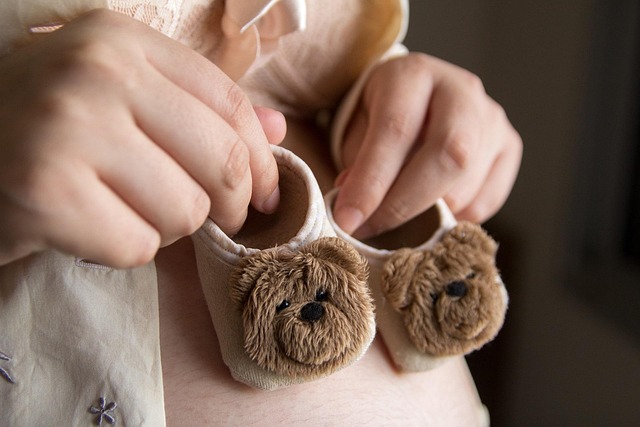
The Benefits of Traditional Chinese Medicine for Fertility: 27 Herbs and Practices
19. Saw Palmetto – This herb is commonly used to improve male fertility by supporting prostate health.
20. Shatavari – Also known as “the woman with a hundred husbands,” this herb is believed to improve reproductive health and increase fertility in women.
21. Black Cohosh – This herb is often used in TCM to treat hormonal imbalances that can affect fertility.
22. Eucommia Bark – This herb is believed to nourish the kidneys and improve fertility in both men and women.
23. Peony Root – This herb is commonly used in TCM to promote blood flow and improve fertility in women.
24. Rhodiola – This adaptogenic herb is believed to balance hormones and improve fertility in both men and women.
25. Raspberry Leaf – This herb is known for its uterine-toning properties and is believed to improve fertility in women.
26. Turmeric – This spice is believed to have anti-inflammatory properties and can help improve fertility by reducing inflammation in the reproductive organs.
27. Chinese Knotweed Root – This herb is believed to improve reproductive health and increase fertility in both men and women.
Practices for Fertility in TCM:
1. Acupuncture – This ancient practice involves the insertion of fine needles into specific points on the body to promote the flow of energy and improve overall health, including fertility.
2. Herbal Medicine – In addition to the herbs listed above, TCM also uses a variety of herbal formulas tailored to each individual’s specific needs to promote fertility.
3. Diet and Nutrition – TCM emphasizes the importance of a balanced and nourishing diet to support overall health and improve fertility.
4. Qi Gong – This practice involves slow, gentle movements and breathing exercises to promote the flow of energy and improve reproductive health.
5. Meditation and Mindfulness – TCM recognizes the mind-body connection and the role of stress in fertility issues. Practices such as meditation and mindfulness can help reduce stress and promote relaxation, which can improve fertility.
The Benefits of TCM for Fertility:
1. Holistic Approach – TCM takes into consideration the whole person, including physical, emotional, and spiritual aspects. This approach can help address underlying issues that may be affecting fertility.
2. Natural and Safe – TCM uses natural herbs and practices that have been used for thousands of years, making it a safe and effective treatment option for fertility.
3. Personalized Treatment – TCM practitioners take into account individual differences and create personalized treatment plans for each person, increasing the chances of success.
4. Minimal Side Effects – Compared to western fertility treatments, TCM has minimal side effects, making it a more gentle and less invasive option.
5. Stress Reduction – TCM practices such as acupuncture, meditation, and qi gong can help reduce stress levels, which can have a positive impact on fertility.
In conclusion, Traditional Chinese Medicine offers a holistic and natural approach to improving fertility. By incorporating herbs, practices, and lifestyle changes, TCM can help balance the body’s energy and promote overall reproductive health, increasing the chances of conception. If you are struggling with fertility issues, consider incorporating TCM into your treatment plan for a safe and effective option.