Summary:
Fertility is a topic that affects many individuals and couples, and it can be affected by various factors, including diet. The keto diet, also known as the ketogenic diet, is a popular low-carb, high-fat diet that has gained attention for its potential benefits for fertility. In this blog post, we will discuss everything you need to know about fertility and the keto diet, including its effects on ovulation, hormonal balance, and overall reproductive health. We will also address common concerns and misconceptions surrounding the keto diet and fertility, as well as provide tips for incorporating this diet into your lifestyle. So, let’s dive into the 23 things you need to know about fertility and the keto diet.
1. What is the Keto Diet?
The keto diet is a high-fat, moderate-protein, and low-carb diet that aims to shift the body into a metabolic state called ketosis. In this state, the body burns fat for energy instead of carbohydrates, which can lead to weight loss and other potential health benefits.
2. How Does the Keto Diet Affect Fertility?
Research has shown that the keto diet can have positive effects on fertility, including improving ovulation and hormonal balance. It can also reduce inflammation, which can be beneficial for reproductive health.
3. The Importance of a Healthy Diet for Fertility
It’s essential to note that a healthy and balanced diet is crucial for overall reproductive health, and the keto diet is not a one-size-fits-all solution. It’s always best to consult with a healthcare professional before making any significant dietary changes.
4. The Role of Carbohydrates in Fertility
Carbohydrates are an essential source of energy for the body, and they are vital for reproductive health. However, consuming too many refined carbohydrates can lead to insulin resistance, which can negatively impact fertility.
5. The Impact of Insulin Resistance on Fertility
Insulin resistance is a condition where the body’s cells become less responsive to insulin, leading to high levels of insulin in the body. This can affect hormone levels and disrupt ovulation, making it more challenging to conceive.
6. How the Keto Diet Can Help With Insulin Resistance
The keto diet can help improve insulin sensitivity, leading to better blood sugar control and reduced insulin levels. This can, in turn, improve fertility by regulating hormone levels.
7. The Keto Diet and Ovulation
Ovulation is a crucial process for fertility, and hormonal imbalances can affect it. The keto diet has been shown to improve ovulation and increase the chances of conception.
8. The Impact of Weight on Fertility
Obesity or being overweight can have a significant impact on fertility. The keto diet can help with weight loss, which can improve fertility in individuals struggling with obesity.
9. The Importance of Healthy Fats for Fertility
The keto diet is high in healthy fats, which are essential for reproductive health. These fats play a role in hormone production and can help regulate menstrual cycles.
10. The Role of Cholesterol in Fertility
Cholesterol is necessary for the production of hormones like estrogen and progesterone, which play a crucial role in fertility. The keto diet can help maintain healthy cholesterol levels, which can improve fertility.
11. The Potential Risks of the Keto Diet for Fertility
While the keto diet can have benefits for fertility, it’s crucial to note that it may not be suitable for everyone. It’s essential to consult with a healthcare professional before starting this diet, especially for those with underlying health conditions.
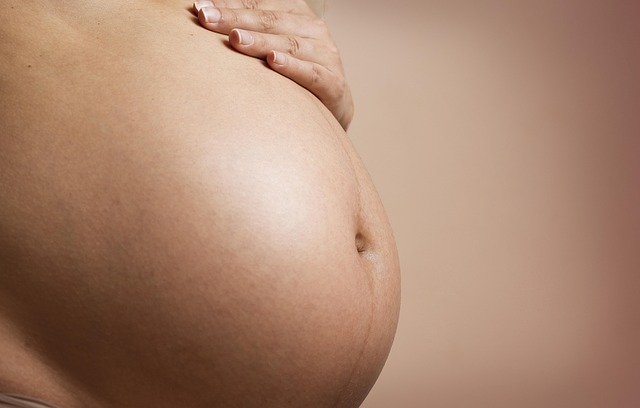
Fertility and the Keto Diet: 23 Things You Need to Know
12. The Importance of Nutrient Balance for Fertility
A balanced diet with all essential nutrients is crucial for fertility. It’s essential to ensure that you are getting enough vitamins and minerals while following the keto diet to support reproductive health.
13. The Effect of Stress on Fertility
Stress can have a significant impact on reproductive health by disrupting hormone levels and ovulation. The keto diet may help reduce stress by providing a stable source of energy and regulating hormone levels.
14. The Role of Inflammation in Fertility
Chronic inflammation can negatively impact fertility by affecting hormone levels and ovulation. The keto diet is known for its anti-inflammatory effects, which can improve reproductive health.
15. The Importance of Protein for Fertility
Protein is necessary for hormone production and reproductive health. The keto diet provides moderate amounts of protein, which can support fertility.
16. The Importance of Staying Hydrated for Fertility
Dehydration can affect fertility by disrupting hormone levels and affecting egg quality. It’s crucial to stay hydrated while following the keto diet to support reproductive health.
17. The Impact of Vitamin Deficiencies on Fertility
Vitamins and minerals play a crucial role in reproductive health, and deficiencies can affect fertility. It’s essential to ensure you are getting enough of these nutrients while following the keto diet.
18. The Role of Exercise in Fertility
Regular exercise is essential for overall health, and it can also have positive effects on fertility. The keto diet may provide the energy needed for exercise while helping with weight loss, which can improve fertility.
19. The Potential Side Effects of the Keto Diet
Like any diet, the keto diet may have potential side effects such as the “keto flu,” which is a temporary period of fatigue and other symptoms as the body adjusts to the diet. It’s essential to listen to your body and make adjustments as needed.
20. How to Incorporate the Keto Diet into Your Lifestyle for Fertility
It’s crucial to approach the keto diet as a lifestyle change rather than a short-term solution. It’s best to ease into the diet and make adjustments as needed to find what works best for you and your fertility goals.
21. The Importance of Tracking Your Progress
Tracking your progress while following the keto diet can help you understand how your body is responding to the diet and make any necessary adjustments. It can also be motivating to see your progress over time.
22. Common Misconceptions About the Keto Diet and Fertility
There are several misconceptions surrounding the keto diet and fertility, including the idea that it can harm egg quality or lead to nutrient deficiencies. It’s essential to do thorough research and consult with a professional before believing these misconceptions.
23. The Bottom Line: The Keto Diet and Fertility
While the keto diet may have potential benefits for fertility, it’s vital to approach it with caution and consult with a healthcare professional. A healthy and balanced diet, along with proper medical care, is crucial for maintaining reproductive health.
In conclusion, the keto diet can have positive effects on fertility by improving ovulation, hormone balance, and overall reproductive health. It’s essential to approach this diet as a lifestyle change and consult with a healthcare professional before making any significant dietary changes. By understanding the potential benefits and risks, you can make an informed decision about whether the keto diet is right for you and your fertility goals.