Coffee is a staple for many people around the world, providing a much-needed boost of energy and alertness. However, while most people are aware of the potential downsides of consuming too much caffeine, such as jitters, difficulty sleeping, and increased heart rate, many may not realize the surprising ways that coffee and caffeine can affect fertility.
In this blog post, we will dive into the research and explore some of the lesser-known impacts of caffeine on fertility. From the effects on both male and female fertility, to the potential risks for pregnant women, and even the role of caffeine in assisted reproductive technologies, we will cover it all. So, grab a cup of decaf and keep reading to learn more about the surprising ways coffee and caffeine can affect fertility.
Impact on Female Fertility
Let’s start by looking at the impact of caffeine on female fertility. It is well-established that caffeine consumption can affect the menstrual cycle and ovulation. A study published in the American Journal of Obstetrics and Gynecology found that women who consumed more than 500 mg of caffeine per day (equivalent to about 5 cups of coffee) had a 12% lower chance of getting pregnant each cycle compared to those who consumed less than 100 mg per day.
Moreover, higher caffeine intake has also been linked to longer menstrual cycles and delayed ovulation, which can make it more difficult to conceive. This is due to the fact that caffeine can affect the levels of hormones involved in the menstrual cycle, including estrogen, progesterone, and luteinizing hormone.
Impact on Male Fertility
While most of the research on caffeine and fertility has focused on its impact on female fertility, there is also evidence that caffeine can affect male fertility. A study published in the journal Fertility and Sterility found that men who consumed more than 265 mg of caffeine per day (equivalent to about 2.5 cups of coffee) had a 14% lower chance of achieving a pregnancy with their partner through natural conception.
Moreover, caffeine has also been linked to lower sperm quality, including decreased sperm count, motility, and morphology. This is thought to be due to caffeine’s ability to increase oxidative stress and damage DNA in sperm cells.
Risks for Pregnant Women
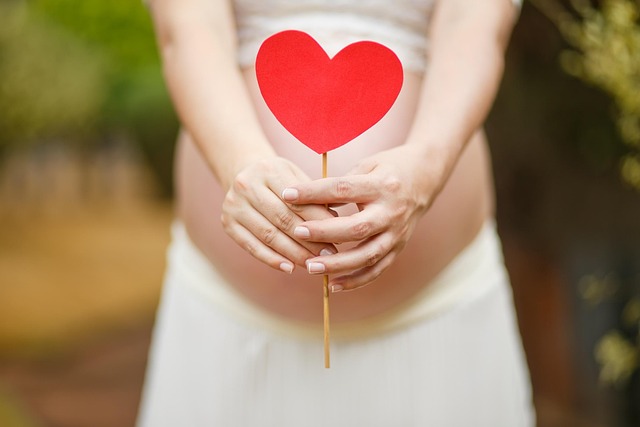
Surprising Ways Coffee and Caffeine Can Affect Fertility
Pregnant women are often advised to limit their caffeine intake, and for good reason. High caffeine consumption during pregnancy has been linked to an increased risk of miscarriage, low birth weight, and preterm birth. This is because caffeine can cross the placenta and reach the developing fetus, potentially affecting its growth and development.
Moreover, a study published in the American Journal of Obstetrics and Gynecology found that women who consumed more than 200 mg of caffeine per day during pregnancy had a higher risk of developing gestational diabetes. This is a serious complication that can have negative effects on both the mother and the baby.
Caffeine and Assisted Reproductive Technologies
Assisted reproductive technologies, such as in vitro fertilization (IVF) and intrauterine insemination (IUI), have become common methods for couples struggling with infertility to conceive. However, caffeine consumption may also play a role in the success of these treatments.
A study published in the journal Human Reproduction found that women who consumed more than 50 mg of caffeine per day had a lower chance of becoming pregnant through IVF compared to those who consumed less than 50 mg per day. Similarly, a study published in the journal Fertility and Sterility found that higher caffeine intake was associated with a lower chance of success with IUI.
This may be due to the fact that caffeine can interfere with the hormone levels and blood flow in the reproductive organs, making it more difficult for the fertilized egg to implant and develop into a healthy pregnancy.
The Role of Decaf
You may be thinking that switching to decaf coffee can solve all these potential issues, but unfortunately, that’s not entirely true. While decaf coffee does have significantly less caffeine than regular coffee, it still contains some amount of caffeine. In fact, a study published in the Journal of Analytical Toxicology found that decaf coffee can contain anywhere from 0 to 13.9 mg of caffeine per 16 oz serving.
So, while switching to decaf can certainly help reduce caffeine consumption, it may still have some impact on fertility. It is always best to consult with a healthcare provider for personalized recommendations on caffeine intake during pregnancy and fertility.
In conclusion, the research on caffeine and fertility suggests that high caffeine consumption can have negative impacts on both male and female fertility. It is recommended to limit caffeine intake to 200 mg per day for pregnant women and those trying to conceive. For couples struggling with infertility, reducing caffeine intake may also improve the chances of success with assisted reproductive technologies. So, while coffee may be a beloved beverage for many, it’s important to be mindful of its potential impact on fertility.