Blog Post:
Protein is an essential nutrient for our bodies, playing a vital role in various bodily functions. One of its lesser-known but equally important functions is in fertility and conception. In this blog post, we will explore the role of protein in fertility and conception, and how it can impact your chances of getting pregnant and having a healthy pregnancy.
Protein is made up of amino acids, which are the building blocks of our body. These amino acids are crucial for the development and maintenance of cells, tissues, and organs. They also play a crucial role in hormone production, which is essential for fertility and conception.
Hormones are chemical messengers that signal various processes in our body, including ovulation and menstruation. Protein is necessary for the production of these hormones, such as follicle-stimulating hormone (FSH), luteinizing hormone (LH), and estrogen. These hormones are crucial for a woman’s menstrual cycle and ovulation, which is essential for conception.
Research has shown that women who consume an adequate amount of protein have a higher chance of ovulating regularly and having a healthy menstrual cycle. On the other hand, a diet lacking in protein can lead to irregular or absent ovulation, making it difficult for a woman to get pregnant.
Moreover, protein also plays a vital role in male fertility. Sperm cells are made up of protein, and they need a steady supply of amino acids to develop and function effectively. Deficiencies in protein can lead to abnormal sperm production and motility, making it difficult for the sperm to reach and fertilize the egg.
In addition to hormone production and sperm health, protein also plays a role in the development of a healthy uterine lining. The uterine lining is where the fertilized egg implants and grows into a fetus. Protein is crucial for the growth and development of the uterine lining, ensuring that it is thick and healthy enough to support a growing embryo.
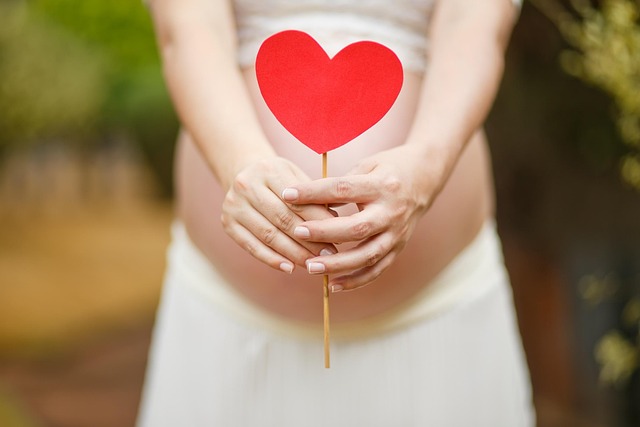
The Role of Protein in Fertility and Conception
Furthermore, protein is responsible for the production of cervical mucus, which plays an essential role in fertility and conception. Cervical mucus helps sperm to travel through the female reproductive system and reach the egg. A diet rich in protein ensures that there is enough cervical mucus present, increasing the chances of successful fertilization.
It is not just the quantity of protein that matters for fertility and conception, but also the quality. Foods that are rich in high-quality proteins, such as lean meats, poultry, fish, eggs, and dairy, are essential for reproductive health. These foods contain all the essential amino acids that our body needs to function correctly.
On the other hand, processed and high-fat foods, which are low in protein and high in unhealthy fats, can have a negative impact on fertility and conception. Studies have shown that women who consume a diet high in unhealthy fats have a higher risk of ovulatory disorders, making it challenging to get pregnant.
Apart from its direct role in fertility and conception, protein also plays a crucial role in maintaining a healthy weight. Being underweight or overweight can have a significant impact on reproductive health and fertility. Protein is known to increase satiety, keeping us feeling full and satisfied for longer. This can help prevent overeating and weight gain, which can have a negative impact on fertility.
In addition to maintaining a healthy weight, protein also plays a role in reducing inflammation in the body. Chronic inflammation has been linked to various reproductive health issues, such as endometriosis, polycystic ovary syndrome (PCOS), and sperm quality. Consuming an adequate amount of protein can help reduce inflammation and improve overall reproductive health.
In conclusion, protein plays a crucial role in fertility and conception. It is necessary for hormone production, sperm health, uterine lining development, and cervical mucus production. A diet rich in high-quality protein can increase the chances of ovulation, successful fertilization, and a healthy pregnancy. On the other hand, a diet lacking in protein can lead to irregular ovulation, poor sperm quality, and other reproductive health issues. So, make sure to include plenty of protein-rich foods in your diet to support your reproductive health and improve your chances of conceiving.
Summary:
Protein is an essential nutrient for our bodies and plays a crucial role in fertility and conception. It is necessary for hormone production, sperm health, uterine lining development, and cervical mucus production. A diet rich in high-quality protein can increase the chances of ovulation, successful fertilization, and a healthy pregnancy. On the other hand, a diet lacking in protein can lead to irregular ovulation, poor sperm quality, and other reproductive health issues. It is essential to include plenty of protein-rich foods in your diet to support your reproductive health and improve your chances of conceiving.