Summary:
In today’s society, there is often a misconception that women can delay having children and focus on their career or other goals, and still have plenty of time to start a family in their 30s or even 40s. However, the reality is that age can have a significant impact on fertility, particularly for women. In this blog post, we will delve into the science behind fertility and why the age of 16 is an important milestone when it comes to reproductive health.
Firstly, we will discuss the basics of fertility and how it is affected by age. Women are born with a finite number of eggs, and as they age, the quality and quantity of these eggs decline. This means that as women reach their late 30s and 40s, they have fewer eggs and those that remain are less likely to be viable for fertilization and pregnancy. On the other hand, men produce sperm throughout their lives, but their sperm quality may also decline with age.
Next, we will explore the reasons why 16 is considered a crucial age for fertility. At this age, a girl’s body is considered to have reached sexual maturity, meaning that she is capable of becoming pregnant. However, this does not necessarily mean that it is the best time to start trying for a baby. In fact, studies have shown that the optimal age for women to conceive is in their mid to late 20s, as their fertility begins to decline in their early 30s.
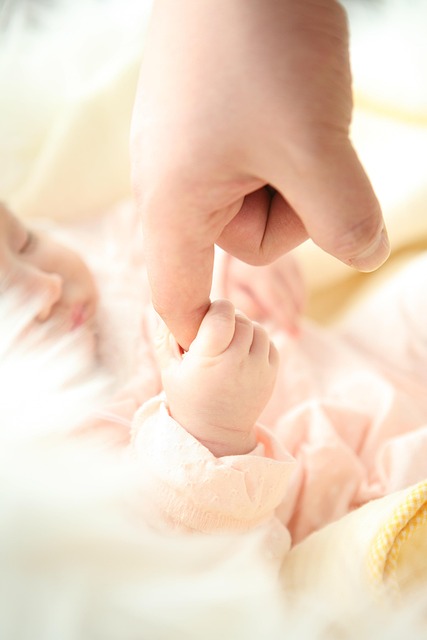
The Impact of Age on Fertility: Why 16 Matters
Moreover, we will address the risks associated with delaying pregnancy. As women age, their chances of experiencing fertility struggles, such as difficulty conceiving and miscarriages, increase significantly. Additionally, there is a higher risk of pregnancy complications, such as gestational diabetes and preeclampsia, for women who conceive in their late 30s and beyond. Furthermore, advanced maternal age (35 years and over) has been linked to an increased risk of chromosomal abnormalities in babies, such as Down syndrome.
Furthermore, we will discuss the impact of age on fertility treatments. While advancements in fertility treatments have provided hope for couples struggling to conceive, age still plays a crucial role in the success of these treatments. Women over the age of 35 have lower success rates with treatments such as in vitro fertilization (IVF) compared to younger women. This is due to the decline in egg quality and quantity, as well as an increased risk of complications during pregnancy.
Finally, we will touch on the social and emotional aspects of fertility and age. For many women, the pressure to have children can lead to feelings of anxiety and stress, especially as they approach their late 30s and 40s. This pressure is often fueled by societal expectations and the belief that women can have children whenever they choose. However, the reality is that age can have a significant impact on fertility, and women should be aware of this when making decisions about starting a family.
In conclusion, while 16 is considered the age of sexual maturity, it is not necessarily the best time to start trying for a baby. Women’s fertility begins to decline in their early 30s, and by their late 30s, they may face more challenges in conceiving and carrying a healthy pregnancy. It is crucial for women to understand the impact of age on fertility and make informed decisions about their reproductive health.