Preparing for Conception After Miscarriage: What You Need to Know
Experiencing a miscarriage can be a heartbreaking and traumatic experience for any woman. It is a loss that can leave a lasting impact, not only emotionally but also physically. For those who are trying to conceive after a miscarriage, there may be a mixture of emotions such as fear, anxiety, and hope. While it may seem daunting, it is important to understand that there are steps you can take to prepare your body for a healthy pregnancy after a miscarriage. In this blog post, we will discuss what you need to know about preparing for conception after a miscarriage.
Miscarriage is defined as the loss of a pregnancy before the 20th week. It is a common occurrence, with about 10-20% of known pregnancies ending in miscarriage. While it may be common, it does not make it any less devastating for those who go through it. After a miscarriage, it is important to give yourself time to heal both physically and emotionally. It is recommended to wait at least one full menstrual cycle before trying to conceive again. This allows your body to recover and for your menstrual cycle to regulate.
When you are ready to try again, it is important to consult with your doctor. They can help determine if there were any underlying factors that may have contributed to the miscarriage and provide guidance on how to prepare for a healthy pregnancy. They may also recommend certain tests or screenings to ensure that your body is ready to conceive again.
In addition to consulting with your doctor, there are also steps you can take on your own to prepare for conception after a miscarriage. One important factor is to focus on your overall health and well-being. This includes maintaining a healthy diet, getting regular exercise, and managing stress. A healthy body and mind can greatly improve your chances of a successful pregnancy.
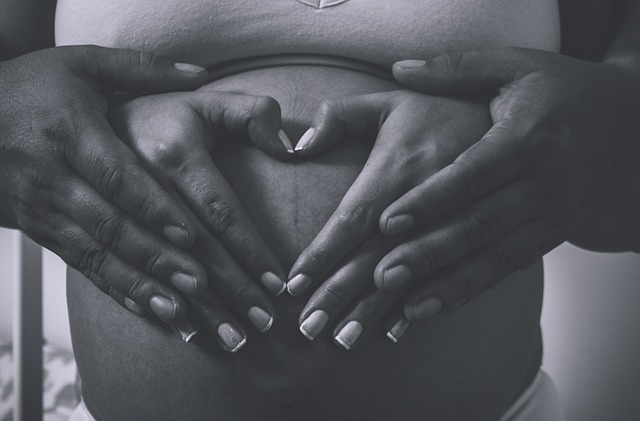
Preparing for Conception After Miscarriage: What You Need to Know
It is also important to pay attention to your menstrual cycle. Tracking your ovulation can help increase your chances of conceiving. You can use ovulation predictor kits or track your basal body temperature to determine when you are most fertile. It is also recommended to have sex every 2-3 days throughout your cycle to ensure sperm is present during ovulation.
In addition to these steps, there are also certain supplements and vitamins that can help prepare your body for conception after a miscarriage. Folic acid is essential for a healthy pregnancy and can help reduce the risk of birth defects. Other important vitamins and minerals to consider include vitamin D, iron, and calcium. It is important to speak with your doctor before starting any supplements to ensure they are safe for you.
If you have experienced multiple miscarriages, your doctor may recommend additional treatments or interventions. This could include fertility treatments such as intrauterine insemination (IUI) or in vitro fertilization (IVF). These treatments can help increase your chances of conception, but they should be discussed with your doctor to determine the best course of action for your individual situation.
It is also important to address any emotional trauma from the miscarriage before trying to conceive again. Miscarriage can leave a lasting impact on a woman and it is important to take care of your mental health. Seek support from loved ones, join a support group, or consider therapy to process your feelings and cope with any anxiety or fear surrounding a future pregnancy.
In some cases, it may be recommended to wait longer than one menstrual cycle before trying to conceive again. This could be due to physical complications from the miscarriage or emotional readiness. It is important to listen to your body and give yourself the time you need to heal before trying again.
In summary, preparing for conception after a miscarriage involves a combination of physical and emotional readiness. It is important to give your body time to heal, consult with your doctor, and take steps to improve your overall health and well-being. Supplements, tracking ovulation, and addressing any emotional trauma are also important factors to consider. Every woman’s journey to conception is unique, and it is important to listen to your body and seek support when needed.