Smoking and alcohol consumption are two common lifestyle habits that have a significant impact on fertility and pregnancy. While it is well-known that these substances can have detrimental effects on overall health, many people are not aware of the specific ways in which they can affect reproductive health. In this blog post, we will explore the research and data surrounding the impact of smoking and alcohol on fertility and pregnancy, and discuss the potential consequences for those trying to conceive and expecting mothers.
The Impact of Smoking on Fertility
Cigarette smoking is a leading cause of preventable death and disease worldwide. It is estimated that smoking kills over 8 million people every year, with over 7 million of these deaths being attributed to direct tobacco use. But beyond the well-known risks of lung cancer and heart disease, smoking can also have a significant impact on fertility.
In women, smoking has been linked to decreased fertility and an increased risk of infertility. This is due to the toxic chemicals in cigarettes, such as nicotine and carbon monoxide, which can damage the reproductive organs and disrupt hormone levels. Studies have shown that smoking can decrease a woman’s chances of getting pregnant by up to 40%, and can also increase the risk of miscarriage and ectopic pregnancy.
In men, smoking has been linked to decreased sperm quality and quantity, making it more difficult to conceive. Smokers have been found to have lower sperm counts, reduced sperm motility, and increased sperm DNA damage. This can lead to difficulties with natural conception, as well as a higher risk of miscarriage and birth defects.
The Impact of Alcohol on Fertility
Alcohol is another commonly consumed substance that can have negative effects on fertility. While moderate alcohol consumption may not have a significant impact on fertility, heavy or binge drinking can have serious consequences.
In women, alcohol consumption has been linked to irregular menstrual cycles and an increased risk of infertility. It can also disrupt hormone levels and interfere with ovulation, making it more difficult to conceive. In addition, excessive alcohol consumption during pregnancy can lead to fetal alcohol spectrum disorders, which can cause physical, behavioral, and cognitive impairments in the child.
In men, alcohol consumption has been linked to decreased sperm quality and quantity, similar to the effects of smoking. Heavy drinking can also lead to erectile dysfunction, which can further impact fertility.
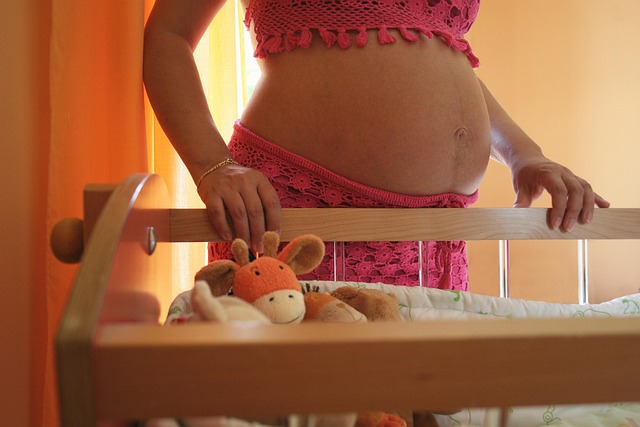
The Impact of Smoking and Alcohol on Fertility and Pregnancy
The Impact of Smoking and Alcohol on Pregnancy
For those who do manage to conceive while smoking or drinking, there are still significant risks for both mother and baby during pregnancy. Smoking during pregnancy has been linked to a higher risk of miscarriage, premature birth, low birth weight, and birth defects. It can also increase the risk of pregnancy complications, such as placental abruption and preeclampsia.
Alcohol consumption during pregnancy can also have serious consequences for both mother and baby. It can lead to fetal alcohol spectrum disorders, as mentioned earlier, as well as an increased risk of miscarriage, stillbirth, and preterm birth. In addition, babies born to mothers who drank heavily during pregnancy may experience withdrawal symptoms and other health issues after birth.
Quitting Smoking and Moderating Alcohol Consumption
The good news is that the negative effects of smoking and alcohol on fertility and pregnancy can be reduced or reversed by quitting smoking and moderating alcohol consumption. It is never too late to make healthy lifestyle choices and improve reproductive health.
For those trying to conceive, quitting smoking and avoiding alcohol can increase the chances of natural conception and a healthy pregnancy. For pregnant women, quitting smoking and abstaining from alcohol can reduce the risk of complications and improve the health of the baby.
It is important to seek support and guidance when trying to quit smoking or moderate alcohol consumption. There are many resources available, such as support groups, counseling, and nicotine replacement therapy, that can help individuals make positive lifestyle changes.
In conclusion, smoking and alcohol consumption can have a significant impact on fertility and pregnancy. While it may be difficult to quit these habits, the potential risks and consequences for reproductive health and the health of the baby make it worth the effort. By making healthy lifestyle choices, individuals can improve their chances of conceiving and having a successful pregnancy.
Summary:
Smoking and alcohol consumption can have a negative impact on fertility and pregnancy. In women, they can lead to decreased fertility and an increased risk of infertility, while in men, they can cause decreased sperm quality and quantity. These substances can also increase the risk of complications during pregnancy and harm the health of the baby. Quitting smoking and moderating alcohol consumption can improve reproductive health and the chances of a healthy pregnancy.