Summary:
For couples who are trying to conceive, a healthy and balanced diet is crucial for optimizing fertility. The foods we consume can impact our hormones, reproductive health, and overall well-being. In recent years, there has been a lot of research on the connection between diet and fertility, leading to the development of the fertility diet. This diet focuses on incorporating certain foods while avoiding others to support fertility and increase the chances of conception. In this blog post, we will dive into the fertility diet and discuss 9 foods that should be included and 9 that should be avoided for optimal fertility health.
Foods to Eat for Fertility:
1. Leafy Greens: Leafy greens such as spinach, kale, and Swiss chard are rich in folate, a B-vitamin that is essential for reproductive health. Folate helps with proper cell division and DNA synthesis, making it crucial for healthy egg and sperm production.
2. Avocados: This creamy fruit is an excellent source of monounsaturated fats, which are essential for hormone production. It also contains vitamin E, which is essential for sperm health and motility.
3. Berries: Berries are packed with antioxidants, which help protect the body from oxidative stress. They are also rich in vitamin C, which has been shown to improve sperm quality.
4. Whole Grains: Whole grains such as quinoa, brown rice, and oats are rich in complex carbohydrates and fiber, which help regulate blood sugar levels and support hormonal balance.
5. Lean Protein: Lean protein sources such as chicken, fish, and tofu are essential for building and repairing tissues in the body. They are also a great source of iron, which is crucial for healthy ovulation and sperm production.
6. Nuts and Seeds: Nuts and seeds are rich in healthy fats, protein, and essential minerals, such as zinc and selenium, which are necessary for reproductive health.
7. Beans and Legumes: Beans and legumes are excellent sources of plant-based protein, fiber, and folate. They also contain a variety of vitamins and minerals that support fertility, such as iron, magnesium, and potassium.
8. Full-Fat Dairy: Full-fat dairy products, such as whole milk, yogurt, and cheese, provide essential nutrients, such as calcium and vitamin D, which have been linked to improved fertility in women.
9. Water: Staying hydrated is crucial for overall health and fertility. Water helps with blood flow, nutrient absorption, and hormone balance, all of which are essential for reproductive health.
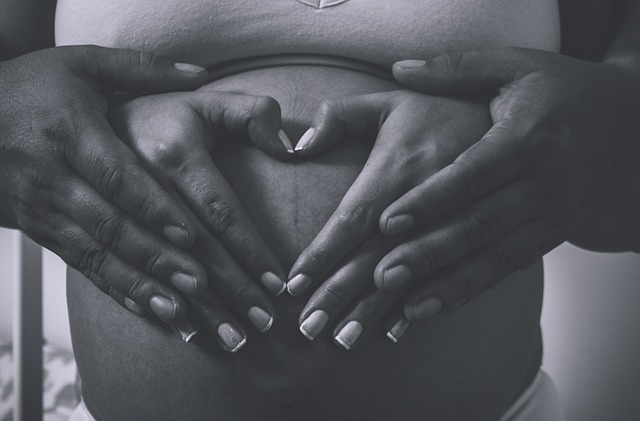
The Fertility Diet: 9 Foods to Eat and 9 to Avoid
Foods to Avoid for Fertility:
1. Trans Fats: Trans fats, found in processed and fried foods, have been linked to increased inflammation in the body, which can negatively affect fertility.
2. Sugar and Refined Carbohydrates: Foods high in sugar and refined carbs, such as white bread, pasta, and sweets, can cause a spike in blood sugar levels, leading to insulin resistance, which can disrupt hormonal balance.
3. High-Mercury Fish: Some types of fish, such as swordfish, shark, and king mackerel, are high in mercury, which can negatively impact sperm health and ovulation. It is best to avoid these types of fish or limit them to once a month.
4. Alcohol: Heavy alcohol consumption has been linked to decreased sperm quality and ovulation problems in women. It is best to limit alcohol intake or avoid it altogether when trying to conceive.
5. Caffeine: While moderate caffeine intake has not been proven to affect fertility, consuming too much caffeine can disrupt ovulation and decrease sperm quality. It is best to limit caffeine to 200 mg per day, which is equivalent to about one cup of coffee.
6. Soy Products: Soy products contain phytoestrogens, which can mimic estrogen in the body and disrupt hormonal balance, potentially affecting fertility.
7. Processed Meats: Processed meats, such as bacon, deli meat, and hot dogs, contain nitrates and nitrites, which have been linked to decreased sperm quality and increased risk of ovulatory infertility.
8. Pesticide-Laden Produce: Fruits and vegetables that are heavily sprayed with pesticides can contain toxins that may interfere with reproductive health. It is best to choose organic produce whenever possible.
9. Low-Fat Dairy: While full-fat dairy has been linked to improved fertility, low-fat dairy has been linked to ovulatory infertility. It is best to stick to full-fat dairy products when trying to conceive.
In conclusion, the fertility diet focuses on incorporating whole, nutrient-dense foods while avoiding processed and unhealthy options. By following this diet, couples can support their fertility and increase their chances of conceiving. However, it is essential to remember that every person’s body is different, and consulting a healthcare professional before making any significant dietary changes is crucial.
SEO metadata: