Blog Post:
The Connection Between Age and Fertility
Fertility is the ability to conceive and give birth to a child. It is a natural process that is affected by various factors, one of which is age. As women age, their fertility declines, and this decline becomes more significant after the age of 35. In recent years, there has been a significant increase in the number of women delaying motherhood, resulting in a rise in fertility treatments and assisted reproductive technologies. In this blog post, we will explore the connection between age and fertility and understand how age impacts a woman’s ability to conceive.
Impact of Age on Fertility
Age has a significant impact on a woman’s fertility. According to a study published by the National Center for Biotechnology Information, a woman’s fertility starts to decline significantly after the age of 35. This is because as women age, the number and quality of their eggs decrease. A woman is born with a fixed number of eggs, and as she ages, her ovaries become less responsive to hormones, making it harder for her to conceive. As a result, the chances of getting pregnant decrease with age.
This decline in fertility is not just limited to women. Men also experience a decline in fertility as they age. According to a study published in the Journal of the American Medical Association, men over the age of 35 have lower sperm counts and a higher risk of genetic abnormalities in their sperm, making it harder for them to impregnate their partners.
Age and Fertility Treatments
With the advancement of medical technology, fertility treatments have become more accessible to women who want to conceive at a later age. However, these treatments also have age limitations. In vitro fertilization (IVF), one of the most common fertility treatments, has a higher success rate for women under the age of 35. As a woman’s age increases, the success rate of IVF decreases. This is because the quality of a woman’s eggs declines as she ages, making it harder for them to fertilize and result in a successful pregnancy.
Egg freezing is another option for women who want to delay motherhood. It involves retrieving a woman’s eggs, freezing them, and using them later when she is ready to conceive. However, the success rate of this procedure is also affected by age. According to a study published in the Human Reproduction journal, the success rate of egg freezing decreases after the age of 30, and the chances of a successful pregnancy are significantly reduced after the age of 40.
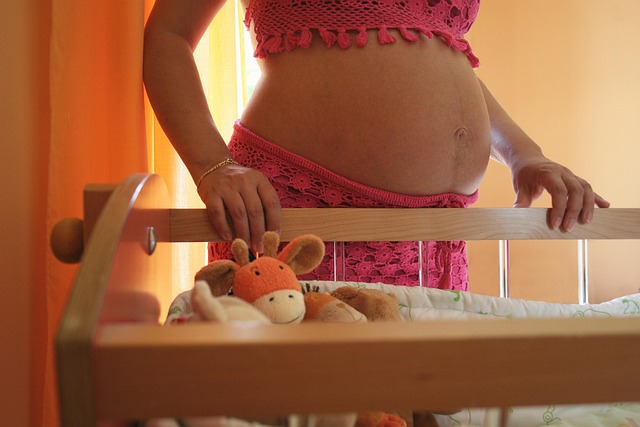
The Connection Between Age and Fertility
Risks Associated with Delayed Motherhood
While fertility treatments and assisted reproductive technologies have made it possible for women to conceive at a later age, there are certain risks associated with delayed motherhood. These risks are not just limited to fertility but also impact the health of both the mother and the child.
As women age, they are at a higher risk of developing medical conditions such as high blood pressure, diabetes, and other chronic illnesses. These conditions can have a negative impact on a woman’s pregnancy and increase the risk of complications during childbirth. Moreover, the risk of complications during pregnancy and childbirth also increases with age, making it a more challenging experience for older mothers.
Children born to older mothers also face certain risks. According to a study published in the American Journal of Epidemiology, children born to women over the age of 35 have a higher risk of developing conditions such as autism, schizophrenia, and other developmental disorders.
The Biological Clock
The decline in fertility with age is often referred to as the biological clock. It is a term used to describe a woman’s reproductive age and the limited time she has to conceive. Women are born with a fixed number of eggs, and as they age, the quality and quantity of these eggs decline. This means that the chances of getting pregnant decrease significantly after a certain age.
Moreover, as women age, they also experience changes in their menstrual cycle, making it harder for them to track their ovulation and increase their chances of getting pregnant. This is why women are often advised to start trying for a baby at a younger age to increase their chances of success.
Summary:
In summary, age and fertility are closely connected. As women age, their fertility declines due to a decrease in the quality and quantity of their eggs. This decline is not just limited to women, as men also experience a decline in fertility as they age. While fertility treatments and assisted reproductive technologies have made it possible for women to conceive at a later age, there are certain risks associated with delayed motherhood. The biological clock is a term used to describe a woman’s reproductive age and the limited time she has to conceive. It is important for women to understand the impact of age on fertility and make informed decisions about motherhood.