Blog Post: Fertility and Medications: How Prescription Drugs Can Affect Your Reproductive Health
Fertility is a crucial aspect of human life, and it is something that many individuals desire at some point in their lives. However, for some, achieving or maintaining fertility can be a challenge. One factor that can significantly impact fertility is the use of prescription medications. While prescription drugs are designed to treat various health conditions, they can also have unintended effects on reproductive health. In this blog post, we will dive into the topic of fertility and medications, exploring how prescription drugs can affect your reproductive health.
Understanding Fertility
Before delving into how medications can impact fertility, it is essential to understand what fertility is and how it works. Fertility refers to a person’s ability to conceive a baby and carry a pregnancy to term successfully. For women, fertility is dependent on the production of healthy eggs and the ability to ovulate regularly. In men, fertility is determined by the production of healthy sperm. Various factors can affect fertility, such as age, hormonal imbalances, and underlying health conditions.
The Impact of Medications on Fertility
Prescription medications can significantly impact fertility in both men and women. Some drugs can affect the reproductive system directly, while others can indirectly impact fertility by causing other health issues. Here are some of the ways prescription drugs can affect fertility:
1. Hormonal Imbalances: Many medications can disrupt the delicate balance of hormones in the body, which can lead to irregular ovulation and menstrual cycles in women. In men, hormonal imbalances can cause a decrease in sperm count and quality.
2. Disruption of Egg and Sperm Production: Some medications can directly impact the production of eggs and sperm, leading to infertility. For instance, chemotherapy drugs can damage egg and sperm cells, making it difficult for individuals to conceive.
3. Increased Risk of Birth Defects: Certain medications, such as Accutane, can increase the risk of birth defects in babies if taken during pregnancy. This is why it is crucial for women to speak to their doctors before taking any medication if they are trying to conceive or are already pregnant.
4. Decreased Libido: Many medications can affect an individual’s sex drive, leading to a decreased libido. This can make it challenging to conceive if a person does not feel sexually aroused or interested in having intercourse.
5. Delayed or Absent Periods: Some medications, such as antidepressants and blood pressure medications, can cause delayed or absent periods in women. This can make it challenging to track ovulation and increase the time it takes to conceive.
6. Erectile Dysfunction: Certain medications, such as antidepressants and blood pressure medications, can cause erectile dysfunction in men, making it difficult to impregnate their partners.
7. Reduced Fertility Window: For women, fertility declines with age, and certain medications can accelerate this decline. For instance, cancer treatments can cause premature menopause, reducing the chances of conceiving.
8. Risk of Miscarriage: Some medications can increase the risk of miscarriage, such as certain antibiotics, anti-inflammatory drugs, and antidepressants.
Medications That Can Affect Fertility
There are various types of medications that can impact fertility, including:
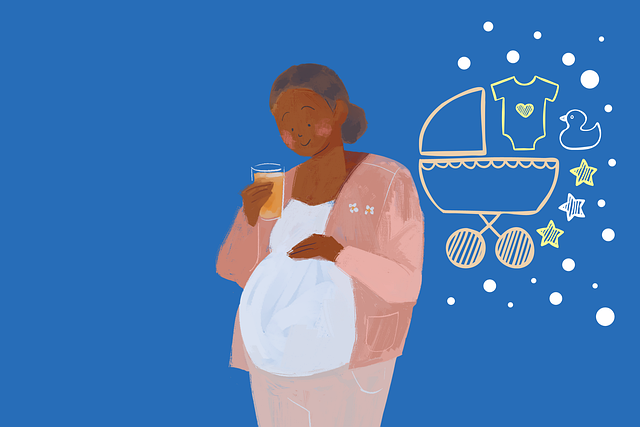
Fertility and Medications: How Prescription Drugs Can Affect Your Reproductive Health
1. Chemotherapy drugs and radiation therapy used to treat cancer.
2. Antibiotics such as tetracycline and streptomycin.
3. Antidepressants such as Prozac and Zoloft.
4. Blood pressure medications such as ACE inhibitors and beta blockers.
5. Nonsteroidal anti-inflammatory drugs (NSAIDs) such as ibuprofen and aspirin.
6. Antipsychotic medications such as haloperidol and risperidone.
7. Immunosuppressants used to treat autoimmune disorders.
8. Hormonal birth control methods such as the pill, patch, and IUD.
9. Steroids such as prednisone and cortisone.
10. Erectile dysfunction medications such as Viagra and Cialis.
What Can You Do?
If you are trying to conceive and are taking prescription medications, it is crucial to speak to your doctor about their potential impact on your fertility. Your doctor may be able to prescribe alternative medications that have less impact on your reproductive health. It is also essential to follow the prescribed dosage and duration of medication to prevent any adverse effects on fertility.
Conclusion
Fertility and medications are two interconnected aspects of reproductive health. While prescription drugs can significantly improve our overall health, they can also have unintended effects on fertility. It is essential to communicate openly with your doctor about your fertility goals and any medications you are currently taking. With proper guidance and care, you can manage your health conditions while minimizing the impact on your reproductive health.
Summary:
Fertility is a crucial aspect of human life, and prescription medications can significantly impact it. Medications can cause hormonal imbalances, disrupt egg and sperm production, increase the risk of birth defects, decrease libido, delay periods, cause erectile dysfunction, reduce the fertility window, and increase the risk of miscarriage. Chemotherapy drugs, antibiotics, antidepressants, blood pressure medications, NSAIDs, antipsychotics, immunosuppressants, hormonal birth control, steroids, and erectile dysfunction medications are some of the medications that can affect fertility. To manage fertility and medications, it is essential to communicate with your doctor and follow the prescribed dosage and duration of medication.