Blog Post:
Artificial insemination (AI) has been a popular assisted reproductive technology used in both human and animal breeding for decades. It involves the insertion of sperm directly into the reproductive tract of a female, bypassing the natural process of fertilization. This technique has been successful in increasing pregnancy rates and improving breeding efficiency. However, what many people do not know is that stress can greatly impact the success of artificial insemination. In this blog post, we will explore the surprising ways that stress can affect AI results and how to manage it for better outcomes.
Stress is a natural response to challenging or threatening situations. It can be triggered by various factors such as environmental changes, social interactions, and even internal thoughts and emotions. When it comes to artificial insemination, stress can affect both the male and female involved in the process, ultimately impacting the success of the procedure.
For the male, stress can affect semen quality and quantity. Studies have shown that stress can increase the levels of cortisol, a hormone that can negatively impact sperm production and motility. This can lead to lower sperm counts and poorer quality semen, which can greatly affect the chances of successful fertilization during AI. Additionally, stress can also affect the sexual behavior of male animals, reducing their interest in mating and thus reducing the chances of successful insemination.
On the other hand, stress can also have a significant impact on the female’s reproductive system. One of the most notable effects of stress on females is the disruption of the estrous cycle. Stress can delay or even stop ovulation, making it difficult for the female to conceive. This is because stress triggers the release of stress hormones, which can interfere with the hormones that regulate the estrous cycle. In addition, stress can also affect the uterine environment, making it less conducive for sperm survival and fertilization.
Moreover, stress can also affect the overall health and well-being of the female, which can indirectly impact AI results. Chronic stress can weaken the immune system, making the female more susceptible to infections and diseases. This can lead to reproductive problems such as uterine infections, which can greatly reduce the chances of pregnancy after AI. Stress can also affect the female’s behavior, causing her to be more aggressive or less receptive to the male’s advances, further hindering the success of insemination.
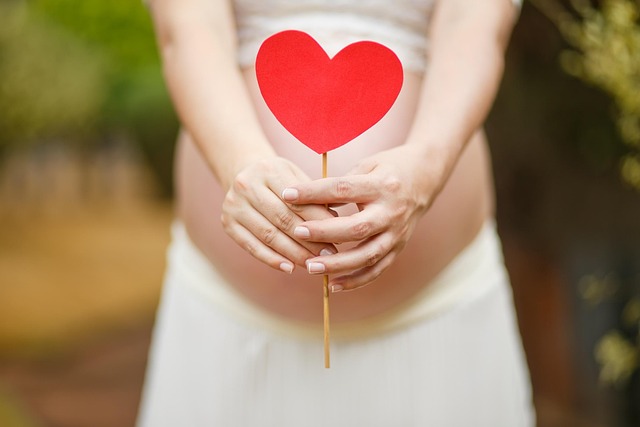
The Surprising Ways Stress Can Affect Artificial Insemination Results
So, how can stress be managed to improve AI results? The first step is to identify and minimize potential stressors in the environment. This can include providing a calm and quiet space for the male to produce semen, reducing social interactions that may cause stress, and ensuring that the female is in a comfortable and stress-free environment during the AI process. Additionally, proper nutrition and exercise can also help reduce stress levels in both males and females, promoting overall health and reproductive wellness.
Another effective way to manage stress is through the use of stress-reducing techniques such as massage, acupuncture, and aromatherapy. These methods have been shown to reduce stress levels and promote relaxation in both humans and animals. In fact, studies have shown that cows who received massage therapy had significantly higher pregnancy rates after AI compared to those who did not receive any massage.
Furthermore, it is crucial to involve experienced and skilled professionals in the AI process. The expertise and techniques used by the inseminator can greatly impact the success of AI. A calm and gentle approach, as well as proper handling of the male and female, can help reduce stress levels and increase the chances of successful insemination.
In conclusion, stress can have surprising and significant effects on artificial insemination results. It can affect both the male and female involved, causing disruptions in sperm production, ovulation, and overall reproductive health. By identifying and minimizing stressors in the environment, utilizing stress-reducing techniques, and involving skilled professionals, the success of AI can be greatly improved. Remember, a stress-free environment is crucial for successful artificial insemination.
Summary:
Artificial insemination has been a popular assisted reproductive technology for both humans and animals, but many people are unaware of the surprising ways that stress can affect its success. Stress can impact both the male and female involved in the AI process, leading to lower sperm quality and quantity, disruption of the estrous cycle, and overall reproductive health issues. To improve AI results, it is essential to identify and minimize stressors in the environment, utilize stress-reducing techniques, and involve skilled professionals in the process. A stress-free environment is crucial for successful artificial insemination.