In recent years, the use of sperm donors for insemination has become a popular option for individuals and couples looking to start a family. While traditional methods of conception involve a person’s own sperm, using a sperm donor introduces a third party into the process. This can bring about a range of emotional aspects that need to be carefully considered before making the decision to use a sperm donor. In this blog post, we will explore the different types of sperm donors and the emotional impact they may have on individuals and couples seeking to start a family through insemination.
Firstly, it is important to understand the different types of sperm donors available. There are two main types of sperm donors – known and anonymous. A known sperm donor is someone who is known to the individual or couple seeking a sperm donation. This could be a friend, family member, or someone they have met through a sperm donor network. On the other hand, an anonymous sperm donor is someone who donates their sperm through a sperm bank or fertility clinic, and the identity of the donor is not disclosed to the individual or couple.
One of the main emotional aspects that come into play when using a known sperm donor is the potential impact on family dynamics. In this situation, the sperm donor is not just a biological contributor, but also someone who may play a role in the child’s life. This can bring about a range of emotions, such as concerns about the donor’s involvement in parenting decisions and potential conflicts with the donor’s own family. Additionally, using a known sperm donor may also raise questions about how to explain the child’s conception to family and friends, and how the donor will be referred to in the child’s life.
When it comes to using an anonymous sperm donor, there are different emotional aspects to consider. One of the main concerns is the lack of information about the donor’s identity and medical history. While sperm banks and fertility clinics screen donors for certain genetic conditions and health risks, there is always the possibility of unexpected health issues arising in the future. This can bring about feelings of anxiety and uncertainty for individuals and couples using an anonymous sperm donor. Moreover, there may also be a sense of loss or curiosity about the child’s genetic background and identity.
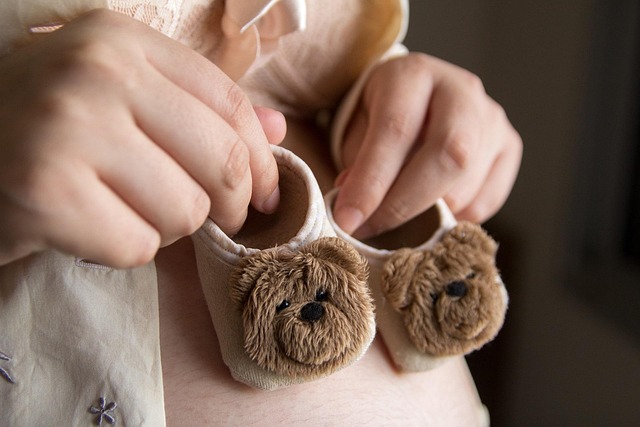
Exploring the Emotional Aspects of Using Different Types of Sperm Donors for Insemination
Another emotional aspect to consider when using a sperm donor is the idea of genetic connection. Using a sperm donor means that the child will not share genetic traits or physical characteristics with one of their parents. While this may not be a major concern for some, it can be a significant emotional factor for others. This may be especially true for individuals and couples who have always envisioned having a child that resembles them in some way. The lack of genetic connection may also raise concerns about how the child will fit into the family and how they will be perceived by others.
In addition to these emotional aspects, using a sperm donor also brings about a range of feelings related to the process of insemination itself. For individuals, there may be feelings of sadness or disappointment that they are unable to conceive a child naturally. This may also be the case for couples who have been struggling with fertility issues. The use of a sperm donor may also bring about feelings of guilt or inadequacy, as some may perceive it as a sign of failure or a lack of control over their own reproductive abilities.
On the other hand, using a sperm donor can also bring about feelings of hope and excitement. For individuals and couples who have been longing to start a family, the use of a sperm donor can be a way to fulfill that dream. It can also bring a sense of empowerment and control over their own family planning journey. Furthermore, using a sperm donor can also create a unique bond between the child and the parents, as they have actively chosen to bring this child into their lives and provide them with a loving home.
In conclusion, the emotional aspects of using different types of sperm donors for insemination are complex and varied. Each individual and couple will have their own unique set of emotions to navigate when making the decision to use a sperm donor. It is important to carefully consider these emotional factors and seek support from healthcare professionals, counselors, and support groups when needed. Ultimately, the most important thing is to create a loving and supportive family environment for the child, regardless of how they were conceived.
Summary: Using sperm donors for insemination can bring about a range of emotional aspects, such as concerns about family dynamics, lack of genetic connection, and feelings of hope and excitement. The two main types of sperm donors – known and anonymous – also bring their own set of emotional considerations. It is important to carefully consider these emotional factors and seek support when needed to create a loving and supportive family environment for the child.