Blog Post Title: Why the Uterus Matters in Artificial Insemination: A Closer Look
Summary: Artificial insemination has been a common method of assisted reproduction for decades, and the role of the uterus in this process is often overlooked. However, recent research has shown that the uterus plays a crucial role in the success of artificial insemination. In this blog post, we will take a closer look at why the uterus matters in artificial insemination and how it affects the chances of conception. We will also discuss the various factors that can impact the uterus and its role in artificial insemination.
Artificial insemination is a method of assisted reproduction in which sperm is artificially placed into a woman’s reproductive tract to facilitate pregnancy. This can be done using either donor sperm or sperm from the woman’s partner. While the focus is often on the sperm and its quality, the role of the uterus in this process is equally important.
The uterus is a hollow, pear-shaped organ located in the female pelvis. Its primary function is to carry and nourish a developing fetus during pregnancy. However, the uterus also plays a crucial role in artificial insemination by providing a suitable environment for the sperm to fertilize the egg and supporting the early stages of pregnancy.
One of the main reasons why the uterus matters in artificial insemination is its ability to provide a conducive environment for sperm survival. The uterine lining, also known as the endometrium, goes through a series of changes as part of the menstrual cycle. These changes involve thickening and shedding of the lining, which prepares the uterus for potential pregnancy. During artificial insemination, the timing of insemination is crucial as it needs to coincide with the receptive phase of the endometrium. This ensures that the sperm has the best chance of fertilizing the egg.
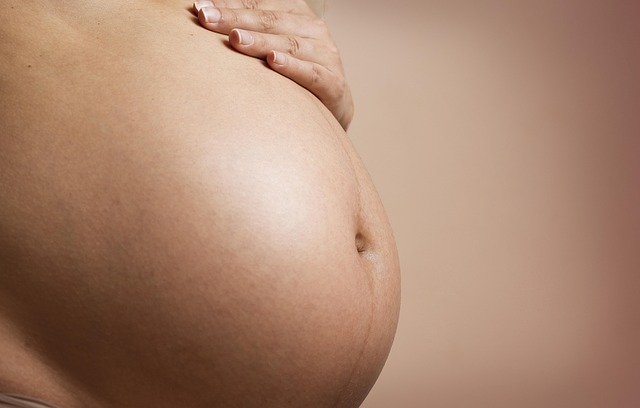
Why the Uterus Matters in Artificial Insemination: A Closer Look
Another important role of the uterus in artificial insemination is its ability to support the early stages of pregnancy. After fertilization, the embryo travels through the fallopian tubes and implants itself in the uterine lining. The uterus then provides the necessary nutrients and support for the embryo to grow and develop into a healthy fetus. If the uterine lining is not thick enough or if there are any abnormalities in the uterus, it can lead to implantation failure or miscarriage.
Several factors can impact the uterus and its role in artificial insemination. One of the most common factors is uterine abnormalities. These can include uterine fibroids, polyps, or a septum, which can interfere with implantation and pregnancy. Other factors that can affect the uterus include endometriosis, pelvic inflammatory disease, and previous surgeries involving the uterus.
Age also plays a significant role in the uterus’s ability to support pregnancy through artificial insemination. As women age, the quality and quantity of their eggs decrease, making it more difficult to conceive. However, the uterus is also affected by age, and studies have shown that the quality of the uterine lining declines with age. This can affect the implantation of the embryo, leading to a lower chance of pregnancy.
In addition to these factors, lifestyle choices such as smoking, excessive alcohol consumption, and obesity can also have a negative impact on the uterus and its role in artificial insemination. These lifestyle choices can affect the overall health of the uterus and its ability to support pregnancy.
To overcome these challenges and improve the chances of success with artificial insemination, it is essential to monitor and optimize the uterine environment. This can be done through various methods, such as endometrial scratching, where the uterine lining is lightly scraped to promote better embryo implantation. Other techniques include hormonal therapy to improve the quality of the uterine lining and hysteroscopy to identify and treat any uterine abnormalities.
In conclusion, the uterus plays a crucial role in artificial insemination, and its health and function can significantly impact the success of this assisted reproductive technique. It is important to understand the various factors that can affect the uterus and take steps to optimize its environment for the best chances of conception. By giving proper attention to the uterus, we can improve the success rate of artificial insemination and help couples achieve their dream of starting a family.