As we age, we often find ourselves facing unique challenges and struggles. For many women, one of these challenges may be trying to conceive a child at the age of 38. While society may place pressure and expectations on women to have children at a younger age, the reality is that fertility declines with age and many women may not be able to have children until later in life. However, through the vulnerability of opening up and sharing their stories, many 38-year-old women have found strength and success in their journey towards motherhood through insemination.
Insemination, also known as artificial insemination, involves placing sperm directly into a woman’s uterus in order to increase the chances of conception. This method can be used for both heterosexual and same-sex couples, as well as single women who are trying to conceive. While it may not be the most commonly discussed option for conception, for many 38-year-old women it has been the key to their success in becoming mothers.
One such success story is that of Rachel, a 38-year-old woman who had been trying to conceive for over a year with no success. Despite fertility treatments and trying to conceive naturally, Rachel and her husband were not able to get pregnant. They then decided to try insemination, and after just two rounds, Rachel became pregnant and gave birth to a healthy baby boy. She shares, “I was hesitant at first about insemination, but I’m so grateful we decided to try it. It gave us the family we had been dreaming of.”
Similarly, 38-year-old Lisa and her partner had been trying to conceive for years with no success. They had explored various options, including IVF, but were met with disappointment each time. It wasn’t until they decided to try insemination that they finally saw success. Lisa gave birth to twins, a boy and a girl, and says, “Insemination was our last hope, and it worked. We now have two beautiful children and couldn’t be happier.”
These are just two of the many stories of 38-year-old women who have found strength and success in insemination. The vulnerability of sharing their struggles and the courage to try a less conventional method of conception has led to the fulfillment of their dreams of becoming mothers.
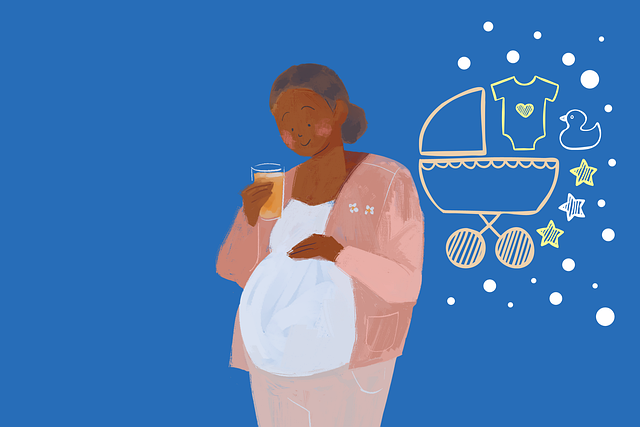
Finding Strength in Vulnerability: Insemination Success Stories of 38-Year-Olds
But insemination success stories are not limited to just heterosexual couples. For same-sex couples and single women, insemination has also provided the opportunity to start a family. 38-year-old Natasha, a single woman who had always dreamed of being a mother, decided to pursue insemination after many failed attempts at finding a suitable partner. She says, “I didn’t want to wait any longer to become a mother, so I decided to do it on my own. Insemination gave me the chance to have a child and I couldn’t be happier.”
Insemination has also allowed same-sex couples to have a biological connection to their child. 38-year-old Sarah and her wife had always wanted children, but as a same-sex couple, they knew it would be more challenging. After trying insemination, Sarah became pregnant and gave birth to their son. She shares, “Insemination was a way for us to have a biological connection to our child, and we are forever grateful for that opportunity.”
The stories of these 38-year-old women show that vulnerability and strength are not mutually exclusive. In fact, it is through their vulnerability in sharing their struggles and their strength in trying alternative methods of conception that they were able to achieve their dreams of becoming mothers. Insemination may not be the most traditional or commonly discussed option, but for these women, it was the key to their success and the start of their journey into motherhood.
It is important to note that insemination may not work for everyone and there are no guarantees of success. It is also a personal decision that should be made after consulting with a medical professional and considering all options. However, for those who have found success through insemination, their stories serve as a source of hope and inspiration for others who may be facing similar struggles.
Insemination success stories of 38-year-olds also challenge societal expectations and stereotypes surrounding motherhood and age. These women have proven that age does not define one’s ability to become a mother, and that there is no “perfect” or “ideal” time to start a family. Each person’s journey towards motherhood is unique and should be celebrated, regardless of age or how they choose to conceive.
In conclusion, the vulnerability and strength shown by 38-year-old women who have found success through insemination is a reminder that there is power in opening up and sharing our struggles. It is through this vulnerability that we can find the strength to try new things and ultimately achieve our dreams. These insemination success stories serve as a beacon of hope for those who are on their own journey towards motherhood.