From Millennials to Baby Boomers: The Changing Demographics of Artificial Insemination
In recent years, there has been a significant shift in the demographics of artificial insemination recipients. What was once a procedure primarily sought after by infertile couples has now become a popular choice for single women and same-sex couples as well. With advancements in technology and a more accepting society, the stigma surrounding artificial insemination has greatly diminished, leading to a diverse range of individuals and couples choosing this method to start or expand their families. In this blog post, we will explore the changing demographics of artificial insemination and the various factors contributing to this shift.
The Rise of Millennials and Same-Sex Couples
One of the biggest factors contributing to the changing demographics of artificial insemination is the rise of the millennial generation. Millennials, who are now in their late 20s to mid-30s, are reaching the age where they are ready to start families. However, with the rising costs of living and the increasing trend of delaying marriage and childbearing, many millennials are turning to alternative methods such as artificial insemination to fulfill their desire for parenthood.
Moreover, the growing acceptance of same-sex relationships has also played a significant role in the increase of artificial insemination among same-sex couples. With the legalization of same-sex marriage in many countries, more and more LGBTQ+ couples are choosing to start families through artificial insemination. This has not only given these couples the opportunity to have biological children but has also challenged traditional notions of family and parenthood.
Changing Attitudes towards Infertility
Another factor contributing to the changing demographics of artificial insemination is the shift in attitudes towards infertility. In the past, infertility was seen as a taboo subject and couples struggling with it often felt ashamed and isolated. However, with more public figures and celebrities opening up about their own struggles with infertility, the topic has become more openly discussed and accepted.
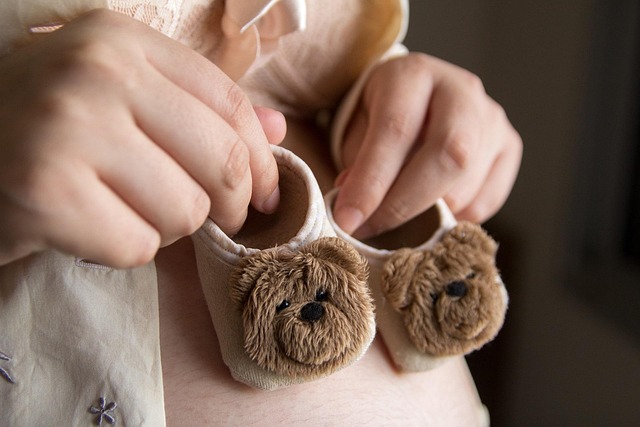
From Millennials to Baby Boomers: The Changing Demographics of Artificial Insemination
This change in attitude has led to more individuals and couples seeking out solutions for their fertility issues, including artificial insemination. It has also encouraged medical professionals to develop more accessible and affordable options for those who want to pursue artificial insemination.
The Impact of Technology
Advancements in technology have also played a crucial role in the changing demographics of artificial insemination. With the development of more sophisticated and effective techniques, such as intrauterine insemination (IUI) and in vitro fertilization (IVF), the success rates of artificial insemination have significantly increased. This has made the procedure a more viable option for a wider range of individuals and couples, including those who may have previously been deemed infertile.
Moreover, the availability of sperm banks and egg donors has also made it easier for individuals and couples to access reproductive materials and undergo artificial insemination procedures. This has opened up opportunities for single individuals and same-sex couples who may not have had access to sperm or eggs from a partner in the past.
The Importance of Education and Support
As the demographics of artificial insemination continue to shift, it is essential to provide education and support to those considering or undergoing the procedure. The decision to undergo artificial insemination is not one that should be taken lightly, and individuals and couples need to have a thorough understanding of the process, its success rates, and potential risks.
Moreover, support from medical professionals, counselors, and support groups can also greatly benefit those going through the emotional and physical challenges of artificial insemination. It is crucial to create a safe and supportive environment for individuals and couples to make informed decisions and receive the necessary care during and after the procedure.
In conclusion, the demographics of artificial insemination have evolved significantly in recent years, with more diverse individuals and couples choosing this method to start or expand their families. This shift has been influenced by various factors, including the rise of the millennial generation, changing attitudes towards infertility, advancements in technology, and the growing acceptance of same-sex relationships. As society continues to progress, it is likely that we will see further changes in the demographics of artificial insemination, making it a more accessible and accepted option for individuals and couples alike.