Title: From Young and Fertile to Mature and Wise: How Age Affects Artificial Insemination Choices
As society shifts towards more inclusive and diverse family structures, the use of artificial insemination has become a popular option for those looking to start a family. This method involves the introduction of sperm into the female reproductive system, either through direct placement or through a special device known as an intrauterine insemination (IUI). While artificial insemination is often associated with fertility treatments, it is also used by single women, same-sex couples, and those with male infertility issues.
But one factor that is often overlooked when it comes to artificial insemination is age. As women age, their fertility decreases, making it more difficult to conceive through natural means. This raises the question – how does age affect artificial insemination choices? In this blog post, we will explore the impact of age on artificial insemination decisions and the factors that should be considered when making this important choice.
Age and Fertility
Before we dive into the specifics of how age affects artificial insemination choices, it is important to understand the relationship between age and fertility. As women age, the number and quality of their eggs decrease, making it more difficult to conceive. This is due to a natural decline in the function of the ovaries and a decrease in hormone production.
According to the American Society for Reproductive Medicine, a woman’s fertility starts to decline significantly after the age of 35 and drops even further after the age of 40. This decline in fertility not only affects a woman’s ability to conceive naturally but also impacts the success rates of artificial insemination.
Artificial Insemination in Young and Fertile Women
For young and fertile women, artificial insemination is often used as a first-line treatment for those struggling to conceive. This is because artificial insemination is a less invasive and more affordable option compared to other fertility treatments such as in vitro fertilization (IVF). It also allows for the use of the woman’s own eggs, which can increase the chance of a successful pregnancy.
Intrauterine insemination (IUI) is the most common form of artificial insemination used in young and fertile women. This procedure involves the insertion of washed and concentrated sperm directly into the uterus, making it easier for the sperm to reach the egg. It is often used in combination with fertility drugs to stimulate ovulation and increase the chances of conception.
However, even for young and fertile women, age can play a role in the success of artificial insemination. As mentioned earlier, fertility starts to decline after the age of 35, and this decline can impact the quality of the eggs and the success rate of the procedure. Therefore, women in their late 30s and early 40s may need to consider other fertility treatments or donor eggs if they are not successful with artificial insemination.
Artificial Insemination in Mature and Wise Women
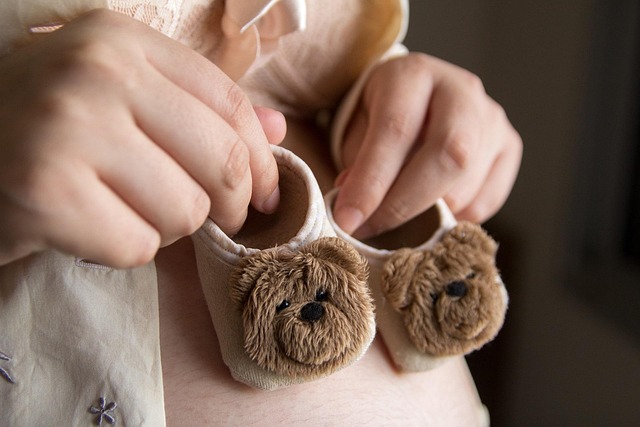
From Young and Fertile to Mature and Wise: How Age Affects Artificial Insemination Choices
For women who are past their prime childbearing years, artificial insemination can still be a viable option. However, there are some important factors that should be considered before making this choice.
Firstly, the success rates of artificial insemination decline significantly with age. This is because the quality and quantity of eggs decrease, making it more difficult to conceive. Therefore, women in their late 30s and beyond may need to undergo multiple cycles of artificial insemination to increase their chances of success.
Secondly, the use of donor eggs may be necessary for women over the age of 40. Donor eggs are eggs from a younger, healthier woman that are fertilized with the intended father’s sperm and then transferred to the woman’s uterus. This option can greatly increase the chances of a successful pregnancy in older women.
Lastly, mature and wise women should also consider the potential risks associated with pregnancy at an older age. Older women are at a higher risk for complications such as gestational diabetes, high blood pressure, and preterm labor. Therefore, it is important to consult with a healthcare professional and carefully weigh the risks before making a decision.
Other Factors to Consider
Aside from age, there are other factors that should be considered when making a decision about artificial insemination. These include:
1. Fertility history: Women who have a history of infertility or have been unsuccessful with previous fertility treatments may need to consider other options, such as IVF or donor eggs.
2. Partner’s fertility: If the male partner has fertility issues, artificial insemination may not be the best option. In this case, using donor sperm or exploring other fertility treatments may be necessary.
3. Financial considerations: While artificial insemination is generally more affordable than other fertility treatments, it is still a significant financial commitment. It is important to consider the cost and potential success rates before making a decision.
4. Emotional and psychological readiness: Artificial insemination can be a physically and emotionally demanding process. It is important to make sure that both partners are ready for the potential challenges and are prepared to support each other throughout the process.
Conclusion
In conclusion, age does play a significant role in the success and choices of artificial insemination. While it can be a viable option for both young and mature women, it is important to consider all factors, including age, before making a decision. Consulting with a healthcare professional and discussing all available options can help individuals make an informed and personalized choice.