Title: Age and Fertility: The Role of Artificial Insemination in Overcoming Age-related Infertility
Summary:
As women delay starting a family for various reasons, age-related infertility is becoming a more common issue. With the advancement of medical technology, artificial insemination has emerged as a promising solution for couples struggling to conceive due to age-related fertility decline. In this blog post, we will explore the impact of age on fertility and how artificial insemination can help couples in overcoming age-related infertility.
The Role of Age in Fertility:
It is a well-known fact that a woman’s fertility declines with age. As women age, the quality and quantity of their eggs decrease, leading to difficulty in conceiving. According to the American College of Obstetricians and Gynecologists, a woman’s peak fertility is in her 20s and starts to decline in her early 30s. By the age of 35, the decline in fertility becomes steeper, and by the age of 40, a woman’s chance of getting pregnant naturally is only around 5%.
Causes of Age-related Infertility:
The decline in fertility with age can be attributed to various factors such as a decrease in the number of eggs, an increase in the number of chromosomal abnormalities in the eggs, and a decline in the quality of eggs. Additionally, age can also affect the uterus and cervix, making it difficult for the sperm to reach the egg and implantation to occur.
Understanding Artificial Insemination:
Artificial insemination is a fertility treatment that involves placing sperm directly into a woman’s reproductive tract. This procedure bypasses the cervix and increases the chances of fertilization. There are two main types of artificial insemination: intrauterine insemination (IUI) and intracervical insemination (ICI). In both procedures, sperm is collected, washed, and inserted into the woman’s reproductive tract at the time of ovulation.
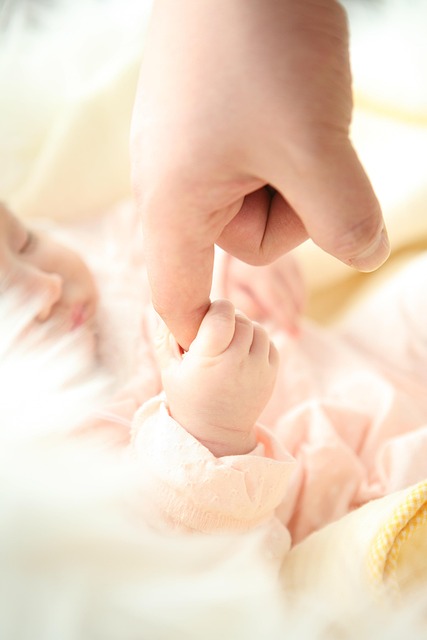
Age and Fertility: Understanding the Role in Artificial Insemination
Overcoming Age-related Infertility with Artificial Insemination:
For couples struggling with age-related infertility, artificial insemination can be a helpful option. By placing the sperm directly into the reproductive tract, artificial insemination increases the chances of fertilization, bypassing any issues with the cervix or uterus. Additionally, in some cases, medications can be used to stimulate the ovaries and improve the quality and quantity of eggs, further increasing the chances of conception.
Factors to Consider:
While artificial insemination can be an effective treatment for age-related infertility, there are factors that need to be considered. The success rate of artificial insemination decreases with age, and it is generally recommended for women under the age of 35. Additionally, the success of the procedure also depends on the overall health of the woman and the quality of the sperm used.
Other Options for Age-related Infertility:
In some cases, artificial insemination may not be a suitable option for couples struggling with age-related infertility. In such cases, in-vitro fertilization (IVF) or egg donation may be recommended. IVF involves fertilizing the egg with sperm in a laboratory and transferring the embryo into the woman’s uterus. Egg donation, on the other hand, involves using a donor egg fertilized with sperm and transferring the embryo into the woman’s uterus.
Conclusion:
Age-related infertility can be a challenging issue for couples trying to conceive. However, with the help of artificial insemination, many couples have been able to overcome this obstacle and start a family. While the success rate may vary, it is a promising option for couples struggling with age-related fertility decline. It is essential to consult with a fertility specialist to determine the best course of treatment based on individual circumstances.
In summary, age plays a significant role in fertility, and as women age, their chances of conceiving decrease. With the help of artificial insemination, couples struggling with age-related infertility can increase their chances of conception. Factors such as the woman’s age, overall health, and quality of sperm can affect the success of the procedure. In cases where artificial insemination may not be suitable, other options such as IVF or egg donation may be recommended.