Title: The Impact of Donor Siblings: How Artificial Insemination Creates Unique Family Bonds for Single Women
In today’s society, there are many different ways to start a family. While traditional methods such as marriage and adoption are still prevalent, there has been a rise in single women choosing to have children through artificial insemination. This decision not only allows these women to fulfill their desire for motherhood, but it also creates a unique family dynamic with the potential for donor siblings. In this blog post, we will explore the impact of donor siblings and how artificial insemination is creating strong family bonds for single women.
The Concept of Donor Siblings
Donor siblings are children who share the same sperm donor but are born to different families. With the advancement of technology and the growing acceptance of artificial insemination, the number of donor siblings has significantly increased in recent years. These children may never meet or even know about each other’s existence, but they are biologically connected in a unique way.
The Role of Artificial Insemination
Artificial insemination is the process of placing sperm directly into a woman’s reproductive tract to facilitate fertilization. It can be done using either a donor’s sperm or a partner’s sperm. For single women, using a sperm donor is the only option to conceive a child without a partner. This method allows women to have control over their fertility and fulfill their dream of becoming a mother.
The Benefits of Donor Siblings
Aside from the obvious benefit of having a child, there are many advantages to having donor siblings. The shared biological connection can create a sense of family and belonging for the children. It can also provide a support system for single mothers, as they can connect with other families who have used the same donor. Donor siblings can also have a positive impact on a child’s identity formation, as they have a better understanding of their genetic background and potential for inherited traits.
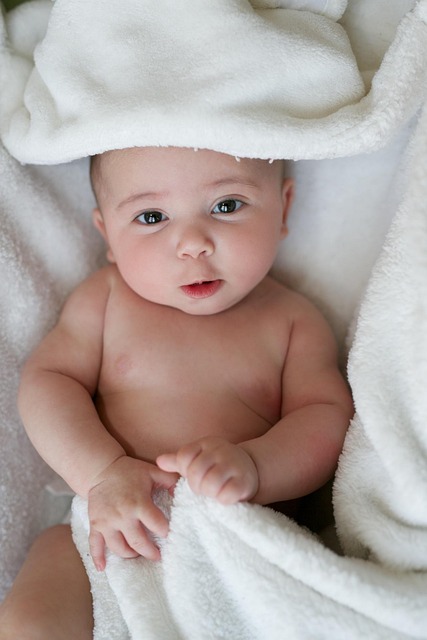
Unique Family Bonds
The bond between donor siblings is a unique one. While they may not have grown up together or even know each other, they share a common biological link. Many families with donor siblings choose to stay in touch and develop a relationship, creating a new type of extended family. This can also be beneficial for the children, as they can have a sense of connection and belonging beyond their immediate family.
Challenges and Considerations
While the concept of donor siblings may seem appealing, it is not without its challenges and considerations. As these children may not have grown up together, they may have different family structures, values, and lifestyles. This can make it difficult for them to form a close bond. In addition, there are ethical and legal considerations surrounding donor siblings, as some donors may not consent to having their identity revealed. It is essential for families to have open and honest conversations about these factors and create boundaries and guidelines to ensure the well-being of all involved.
The Impact on Single Mothers
For single mothers, the presence of donor siblings can have a significant impact on their lives. It can provide a support system and a sense of community, especially for those who may not have a strong network of family and friends. Donor siblings can also bring a sense of validation to a single mother’s decision to have a child through artificial insemination, as it normalizes the idea of unconventional family structures.
Conclusion
In conclusion, the impact of donor siblings in families created through artificial insemination cannot be underestimated. It creates a unique family dynamic and can have a positive influence on a child’s identity formation and a single mother’s well-being. However, it is essential to consider the challenges and potential ethical implications of donor siblings and to have open and honest communication with all parties involved.
In summary, choosing to have a child through artificial insemination as a single woman not only allows for the fulfillment of motherhood but also creates a unique family bond through the concept of donor siblings. This bond offers a sense of belonging, support, and validation for both the children and the single mothers involved. However, it is crucial to consider the challenges and ethical implications and to have open communication to ensure the well-being of all parties.