Endometriosis is a chronic and debilitating condition that affects millions of women worldwide. It occurs when the tissue that normally lines the inside of the uterus grows outside of it, causing pain, inflammation, and sometimes infertility. For couples struggling with endometriosis, the dream of starting a family can seem impossible. However, with advancements in reproductive technology, there is hope in the form of insemination.
Insemination, also known as artificial insemination, is a fertility treatment that involves placing sperm directly into a woman’s uterus or cervix in order to increase the chances of fertilization. This method can be used for couples with endometriosis who are struggling to conceive naturally. In this blog post, we will explore the benefits, process, and success rates of insemination for couples with endometriosis.
The Benefits of Insemination for Couples with Endometriosis
One of the main benefits of insemination for couples with endometriosis is that it bypasses the barriers caused by the condition. Endometriosis can cause the uterus and fallopian tubes to become inflamed and covered in scar tissue, making it difficult for sperm to reach the egg. Insemination places the sperm directly into the reproductive tract, increasing the chances of fertilization.
Insemination also allows for the use of donor sperm, which can be beneficial for couples with severe male factor infertility or for same-sex female couples. This eliminates the need for sperm to travel through the fallopian tubes, making it a more effective method for conception in cases of endometriosis.
Another benefit of insemination is that it can be combined with other fertility treatments, such as ovulation induction. This involves taking medication to stimulate the ovaries to produce multiple eggs, increasing the chances of a successful pregnancy. For couples with endometriosis, this can be especially helpful as the condition can affect ovulation and the quality of eggs.
The Process of Insemination for Couples with Endometriosis
The first step in the insemination process is to undergo a thorough evaluation with a fertility specialist. This will involve a physical exam, blood tests, and imaging tests to assess the health of the reproductive organs and determine the best course of treatment.
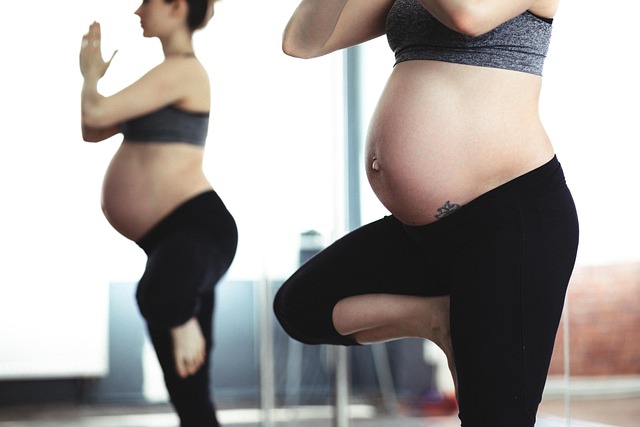
Insemination for Couples with Endometriosis: A Light at the End of the Tunnel
The next step is to prepare for the insemination procedure. This may involve taking medication to stimulate ovulation, tracking your menstrual cycle, and monitoring your hormone levels. Your fertility specialist will guide you through this process and make sure everything is on track for the insemination procedure.
On the day of the insemination, the male partner will provide a sperm sample, which will be washed and prepared in a laboratory. This process removes any dead sperm, mucus, or other debris, leaving only the healthiest and most active sperm for the procedure.
The actual insemination procedure is relatively simple and painless. A catheter will be inserted into the cervix and the washed sperm will be inserted into the uterus. After the procedure, you will be asked to rest for a short period of time before going home. The entire process takes less than 30 minutes and can be done in the doctor’s office.
Success Rates of Insemination for Couples with Endometriosis
The success rates of insemination for couples with endometriosis vary depending on several factors, such as the severity of the endometriosis, the age of the female partner, and the quality of the sperm. Generally, the success rates for insemination are around 10-20% per cycle, but this can increase to 30-40% with the use of ovulation induction and other fertility treatments.
While the success rates may seem low, it is important to remember that every couple’s journey is unique and that even a small chance of success can bring hope to those struggling with endometriosis. It may also take multiple cycles of insemination to achieve a successful pregnancy, but the end result is worth the effort and perseverance.
Insemination for couples with endometriosis can be a light at the end of the tunnel for those struggling with infertility. It offers a less invasive and more affordable option compared to other assisted reproductive technologies, such as in vitro fertilization (IVF). It also provides hope and a chance for couples to start a family despite the challenges of endometriosis.
In conclusion, insemination is a viable option for couples with endometriosis who are trying to conceive. It offers many benefits, is a relatively simple procedure, and has a good success rate when used in combination with other fertility treatments. If you are struggling with endometriosis and trying to conceive, speak to a fertility specialist about the possibility of insemination and take the first step towards building your family.