Blog Post Title: Insemination: A Promising Solution for Recurrent Pregnancy Loss
Summary:
Recurrent pregnancy loss, also known as recurrent miscarriage, is a heartbreaking experience for many couples. It is defined as three or more consecutive pregnancy losses before the 20th week of gestation. This can be a physically and emotionally devastating experience for couples who are trying to conceive and may lead to feelings of hopelessness and frustration.
Fortunately, advancements in reproductive medicine have led to promising solutions for recurrent pregnancy loss, one of which is insemination. Insemination, also known as artificial insemination or intrauterine insemination (IUI), is a fertility treatment that involves placing sperm directly into the uterus around the time of ovulation.
In this blog post, we will explore the causes of recurrent pregnancy loss, the process of insemination, its success rates, and the potential benefits and risks associated with this treatment.
Understanding the Causes of Recurrent Pregnancy Loss
Recurrent pregnancy loss can be caused by a variety of factors, including genetic abnormalities, hormonal imbalances, structural abnormalities of the uterus, and autoimmune disorders. In some cases, the cause may remain unknown.
Genetic abnormalities, such as chromosomal abnormalities, are responsible for about 50% of all miscarriages. These abnormalities can occur in the sperm, egg, or embryo, leading to a failed pregnancy.
Hormonal imbalances, such as low levels of progesterone, can also contribute to recurrent pregnancy loss. Progesterone is a hormone that is essential for maintaining a healthy pregnancy, and low levels of this hormone can increase the risk of miscarriage.
Structural abnormalities of the uterus, such as an abnormally shaped uterus or uterine fibroids, can also play a role in recurrent pregnancy loss. These abnormalities can interfere with the implantation of the embryo or cause complications during pregnancy.
Lastly, autoimmune disorders, where the body’s immune system attacks healthy cells, can also increase the risk of recurrent pregnancy loss. These disorders can cause inflammation in the uterus, making it difficult for the embryo to implant and thrive.
The Process of Insemination
Insemination is a relatively simple and non-invasive fertility treatment that involves placing sperm directly into the uterus during the woman’s fertile window. Before the insemination procedure, the woman may undergo ovulation induction, where medication is used to stimulate the ovaries to produce more eggs.
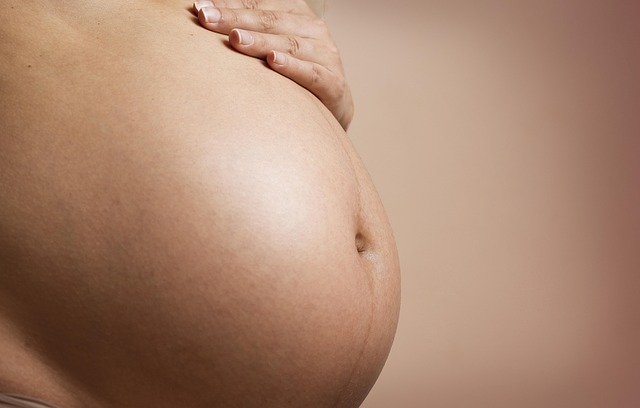
Insemination: A Promising Solution for Recurrent Pregnancy Loss
On the day of insemination, the male partner will provide a semen sample, which will be washed and prepared in the laboratory to separate the sperm from the seminal fluid. This process helps to increase the concentration of healthy sperm and remove any potentially harmful substances.
Next, a thin catheter is used to insert the prepared sperm into the uterus. This process is painless and usually takes only a few minutes. After the procedure, the woman may rest for a short period before resuming her normal activities.
Success Rates of Insemination for Recurrent Pregnancy Loss
The success rates of insemination for recurrent pregnancy loss vary depending on various factors, such as the cause of infertility, age, and the type of sperm used. On average, the success rates range from 10% to 20% per cycle, with higher success rates seen in couples with unexplained recurrent pregnancy loss.
In some cases, insemination may be combined with other fertility treatments, such as ovulation induction or in-vitro fertilization (IVF), to increase the chances of success.
Benefits and Risks of Insemination
One of the main benefits of insemination is its non-invasive nature. The procedure is relatively painless and does not require any surgical incisions, making it a more comfortable option for many couples.
Additionally, insemination is a more affordable fertility treatment compared to other options such as IVF. It also has a lower risk of complications, making it a safer choice for couples who may have underlying health conditions.
However, like any medical procedure, there are potential risks associated with insemination. These include infection, discomfort, and a small risk of multiple pregnancies. It is essential to discuss these risks with a fertility specialist before undergoing the procedure.
Conclusion
Recurrent pregnancy loss can be a challenging and heartbreaking experience for couples. However, with advancements in reproductive medicine, there is hope for couples struggling with this condition. Insemination is a promising solution that offers a non-invasive and relatively affordable option for treating recurrent pregnancy loss.
If you and your partner are experiencing recurrent pregnancy loss, it is essential to consult with a fertility specialist to determine the underlying cause and discuss the best treatment options for your specific situation. With the right treatment plan and support, you can increase your chances of having a successful pregnancy and growing your family.
SEO metadata: