From Home to Parenthood: Using a DIY Conception Kit
Becoming a parent is a life-changing experience that many individuals and couples dream of. However, for some, conceiving a child can be a challenging and expensive journey. Traditional methods of conception, such as in vitro fertilization (IVF), can cost thousands of dollars and may not always be successful. This has led many people to seek alternative options, such as using a DIY conception kit. In this blog post, we will explore the concept of a DIY conception kit, how it works, its potential benefits and drawbacks, and whether it is a viable option for those looking to start a family.
What is a DIY Conception Kit?
A DIY conception kit, also known as a home insemination kit, is a collection of tools and materials that individuals or couples can use to try and conceive a child in the comfort of their own home. These kits typically include a collection cup, ovulation predictor kit, syringes, and instructions for use. Some kits also come with a cervical cap or diaphragm, which is used to collect and transfer sperm to the cervix.
How Does it Work?
The process of using a DIY conception kit involves collecting sperm from a partner or a sperm donor, tracking ovulation through an ovulation predictor kit, and then using a syringe or cervical cap to deposit the sperm near the cervix. This technique is similar to intrauterine insemination (IUI), a procedure commonly used in fertility clinics, but is done at home without the assistance of a medical professional.
Benefits of Using a DIY Conception Kit
One of the main benefits of using a DIY conception kit is the cost. The average cost of an IVF cycle in the United States is around $12,000, whereas a DIY conception kit can cost as little as $50. This significant cost difference makes it a more accessible option for those who cannot afford expensive fertility treatments.
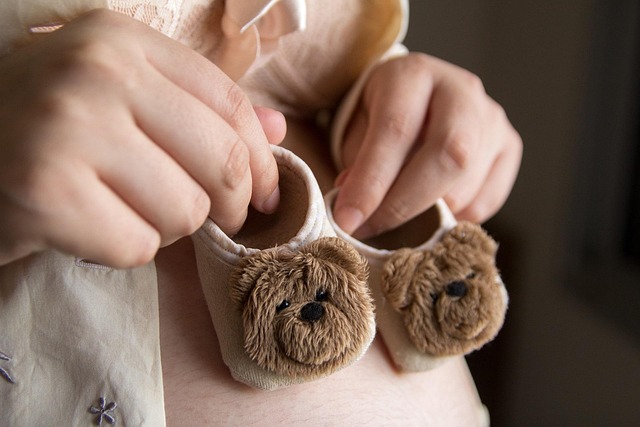
From Home to Parenthood: Using a DIY Conception Kit
Another benefit is the convenience and privacy it offers. Many individuals and couples may feel uncomfortable with the idea of receiving medical treatments for conception and prefer to try at home. This method also allows for more intimate involvement from the partner or donor, which can be a meaningful experience for both individuals.
Drawbacks of Using a DIY Conception Kit
While using a DIY conception kit may seem like an attractive option, there are some potential drawbacks to consider. The success rates of this method are not as high as those of IVF or IUI. This is because the sperm is not inserted directly into the uterus, which can increase the chances of fertilization. Additionally, the process can be time-consuming and requires careful timing and monitoring of ovulation.
There is also a risk of infection if the materials are not adequately sanitized or if the sperm is not from a safe and tested donor. It is crucial to follow the instructions carefully and ensure that all equipment used is sterile to avoid any complications.
Is it a Viable Option?
The answer to this question varies depending on individual circumstances. For those who have been struggling with fertility issues and have not had success with other methods, it may be worth trying a DIY conception kit. However, it is essential to consult with a doctor before making any decisions and to understand the potential risks and limitations of this method.
In some cases, a DIY conception kit may not be suitable, such as for individuals with certain medical conditions or those above the age of 35. In these situations, seeking medical assistance or exploring other options may be a better choice.
In conclusion, using a DIY conception kit is a low-cost, convenient, and private option for those looking to start a family. While it may not be as effective as other fertility treatments, it can be a viable choice for some individuals or couples. It is crucial to weigh the potential benefits and drawbacks and consult with a medical professional before embarking on this journey.
Summary:
Conceiving a child can be a challenging and expensive journey for some individuals and couples. This has led many people to seek alternative options, such as using a DIY conception kit. These kits include tools and materials that individuals can use at home to try and conceive a child. While they offer benefits such as cost-effectiveness and privacy, there are also potential drawbacks, such as lower success rates and a risk of infection. It is crucial to consult with a doctor and understand the limitations before deciding to use a DIY conception kit.