Summary:
Miscarriage is a painful and emotional experience for any couple trying to conceive. It can leave them feeling lost, heartbroken, and unsure if they will ever be able to have a child. While many couples may turn to assisted reproductive technologies, such as in vitro fertilization, there is a natural and less invasive method that may offer hope to those trying to conceive after miscarriage – syringe insemination.
Syringe insemination, also known as intracervical insemination (ICI), is a fertility technique that involves depositing sperm directly into the cervix using a syringe. It can be done at home or in a medical setting, and is a simple and affordable option for couples who want to avoid the rigors and costs of assisted reproduction.
In this blog post, we will explore the benefits, risks, and success rates of syringe insemination, as well as the steps involved in the process. We will also discuss how this method can be used in conjunction with other natural fertility methods to increase the chances of conception after miscarriage.
Benefits of Syringe Insemination:
1. Less invasive: Unlike other assisted reproductive technologies, syringe insemination does not require any medical procedures or interventions. It is a simple and natural way to introduce sperm into the cervix, which can be less stressful for couples who may have already gone through the trauma of miscarriage.
2. Cost-effective: The cost of syringe insemination is significantly lower than other fertility treatments, making it a more accessible option for many couples. It can be done at home with minimal equipment, or in a medical setting with the help of a healthcare professional.
3. Increased privacy: For couples who prefer to keep their fertility journey private, syringe insemination can be done in the comfort of their own home. This can be beneficial for those who may feel uncomfortable with the idea of undergoing any medical procedures.
Risks of Syringe Insemination:
1. Lower success rates: While syringe insemination can be an effective method for some couples, it may not work for everyone. The success rates for this method are lower than other assisted reproductive technologies, and may vary depending on factors such as age and overall health.
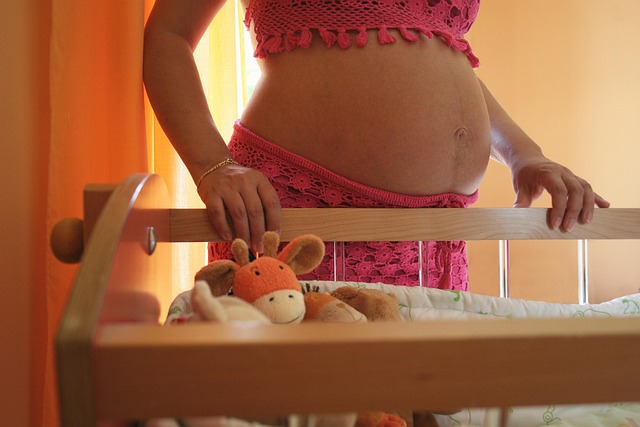
Syringe Insemination: A Natural Conception Method for Those Trying to Conceive After Miscarriage
2. No monitoring of ovulation: Unlike other fertility treatments, syringe insemination does not involve monitoring ovulation or stimulating egg production. This may make it more challenging to determine the most fertile time for conception.
3. Possible discomfort: Some women may experience discomfort or cramping during or after the procedure. It is essential to discuss any concerns with a healthcare professional and to follow proper instructions for the process.
Steps Involved in Syringe Insemination:
1. Preparation: Before undergoing syringe insemination, it is crucial to prepare the body for conception. This may involve tracking ovulation, maintaining a healthy diet and exercise routine, and taking fertility supplements.
2. Collection of sperm: Sperm can be collected from a partner or a sperm donor. If using a donor, it is essential to follow proper guidelines for screening and testing to ensure the health and quality of the sperm.
3. Insertion: Once the sperm is collected, it is placed into a syringe and inserted into the cervix. This can be done at home or in a medical setting, following proper hygiene and insertion techniques.
4. Rest: After the sperm is inserted, it is essential to rest for at least 20-30 minutes to allow the sperm to make its way to the cervix and increase the chances of conception.
Using Syringe Insemination with Other Natural Fertility Methods:
Syringe insemination can be used in conjunction with other natural fertility methods to increase the chances of conception after miscarriage. Some examples include tracking ovulation, maintaining a healthy diet and exercise routine, and using fertility-friendly lubricants. Other methods, such as acupuncture and herbal supplements, may also be beneficial in preparing the body for conception.
Conclusion:
Syringe insemination is a natural and less invasive method for those trying to conceive after miscarriage. While it may not be suitable for everyone, it offers a cost-effective and private option for couples who want to avoid the rigors of assisted reproductive technologies. It is essential to discuss this method with a healthcare professional and to prepare the body for conception through various natural fertility methods.