Blog Post Title: Insemination Kit Safety: What You Need to Know for Home Conception
Summary:
Insemination, also known as artificial insemination, is a method used for assisted reproduction to help individuals or couples conceive a child. While it is commonly performed in a clinical setting, many people are now turning to home insemination kits for a more private and cost-effective option. However, it is important to understand the safety precautions and guidelines when using an insemination kit for home conception.
The first and most crucial step in ensuring the safety of using an insemination kit is to consult with a healthcare professional. They can provide guidance on whether this method is suitable for you and your partner, as well as any potential risks or complications. Additionally, they can also recommend the best type of kit to use for your specific needs.
When purchasing an insemination kit, it is essential to choose a reputable and FDA-approved brand. This ensures that the kit has undergone strict testing and meets safety standards. It is also important to carefully read and follow the instructions provided with the kit. This will help prevent any mishaps or accidents during the process.
Proper hygiene is crucial when using an insemination kit at home. Before starting the procedure, make sure to thoroughly wash your hands and the genital area. It is also recommended to use sterile gloves and clean the kit’s contents before use. Additionally, it is essential to maintain a clean and sterile environment during the entire process.
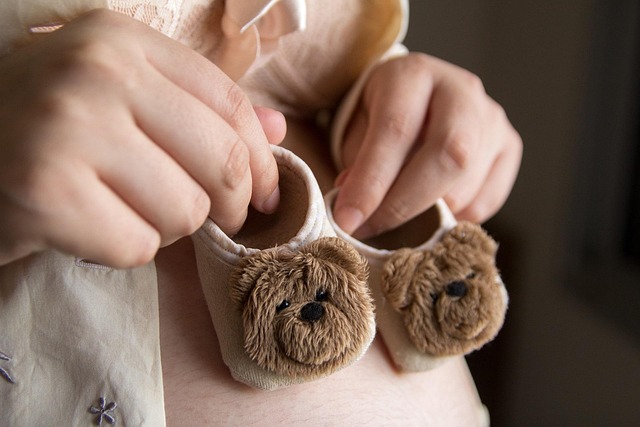
Insemination Kit Safety: What You Need to Know for Home Conception
Timing is crucial when using an insemination kit for home conception. It is important to follow the instructions and perform the procedure during the recommended ovulation period. This increases the chances of success and reduces the risk of infection.
Another vital aspect to consider is the quality and storage of the sperm used in the insemination kit. It is recommended to use fresh sperm from a sperm bank or a known donor. If using frozen sperm, it is essential to carefully follow the thawing instructions provided. Additionally, it is crucial to ensure that the sperm is stored and handled correctly to maintain its viability.
After the insemination procedure, it is essential to rest and avoid any strenuous activities for the rest of the day. This allows the sperm to have a better chance of reaching the egg and increases the chances of conception. It is also recommended to stay hydrated and avoid alcohol and caffeine during this time.
Insemination kits can be a safe and effective method for home conception, but it is essential to be aware of the potential risks and complications. One potential risk is the transmission of sexually transmitted infections (STIs). It is crucial to get tested for STIs before using an insemination kit, and to only use sperm from a known and tested donor.
In rare cases, there may be an allergic reaction to the materials used in the insemination kit, such as latex or silicone. If you have any known allergies, it is essential to check the ingredients of the kit and consult with a healthcare professional before use.
In conclusion, using an insemination kit for home conception can be a safe and effective option for individuals or couples looking to start a family. However, it is crucial to consult with a healthcare professional, choose a reputable brand, maintain proper hygiene, use high-quality sperm, and be aware of potential risks and complications. By following these guidelines, you can increase your chances of a successful conception and have a safe and positive experience.