The Link Between Hormones and Fertility at 40
As women age, their fertility naturally declines. This is due in part to the decrease in the number and quality of eggs in their ovaries. However, research has shown that hormones also play a significant role in fertility at 40. In this blog post, we will discuss the link between hormones and fertility at 40, how they affect each other, and what women can do to improve their chances of conceiving at this age.
Hormones are chemical messengers that regulate various functions in the body, including reproduction. As women reach their 40s, the levels of hormones involved in the menstrual cycle, such as estrogen and progesterone, start to decrease. This decline can lead to irregular periods, making it harder to pinpoint the most fertile days for conception. Additionally, the decrease in hormones can also affect the quality of the eggs, making it more difficult for them to be fertilized.
Moreover, hormones have a direct impact on the health of the uterus and cervix, which are essential for successful pregnancy. Estrogen helps to maintain a thick and healthy uterine lining, which is necessary for implantation and a healthy pregnancy. Progesterone, on the other hand, helps to keep the cervix closed and mucus production in check, preventing sperm from reaching the egg. As these hormone levels decrease, it can become more challenging for the uterus to sustain a pregnancy.
Another hormone that plays a crucial role in fertility at 40 is follicle-stimulating hormone (FSH). This hormone is responsible for stimulating the growth and development of follicles, which contain the eggs. As women age, the number of follicles and eggs in the ovaries decreases, leading to higher levels of FSH. This increase in FSH can also impact the quality of the eggs, making it harder for them to be fertilized.
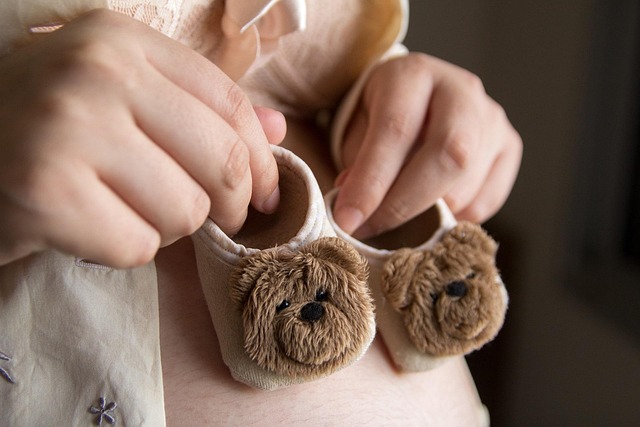
The Link Between Hormones and Fertility at 40
The link between hormones and fertility at 40 is a delicate balance. As hormone levels decrease, it becomes more challenging to conceive. However, it is not just the decrease in hormones that affects fertility at this age. Other factors, such as underlying health conditions, lifestyle habits, and genetics, can also play a role. For example, women with medical conditions such as polycystic ovary syndrome (PCOS) or endometriosis may have hormonal imbalances that affect their fertility. Additionally, lifestyle habits like smoking, excessive alcohol consumption, and poor nutrition can also impact hormone levels and fertility.
So, what can women do to improve their fertility at 40? The first step is to consult with a fertility specialist to assess hormone levels and any underlying medical conditions. This will help determine the best course of action to improve fertility. In some cases, hormone replacement therapy may be recommended to balance hormone levels and improve egg quality. However, this should be done under the supervision of a doctor, as hormone therapy can have potential side effects.
In addition to medical interventions, there are also lifestyle changes that women can make to improve their chances of conceiving at 40. Maintaining a healthy weight, eating a balanced diet, and exercising regularly can all help regulate hormone levels. Quitting smoking and limiting alcohol consumption can also have a positive impact on fertility. Stress management techniques, such as yoga, meditation, or therapy, can also help reduce stress hormones, which can interfere with ovulation and fertility.
Furthermore, it is essential to understand that fertility at 40 is a personal journey, and the success rates may vary for each woman. Some women may be able to conceive naturally, while others may require assisted reproductive technologies, such as in vitro fertilization (IVF). It is crucial to have realistic expectations and to seek support from loved ones and professionals during this time.
In conclusion, hormones play a significant role in fertility, especially at 40. As hormone levels decline, it can become more challenging to conceive, and other factors such as underlying health conditions and lifestyle habits can also impact fertility. Women can take steps to improve their chances of conceiving at this age, such as consulting with a fertility specialist, making lifestyle changes, and seeking medical interventions if necessary. It is essential to have realistic expectations and to seek support during this journey.
SEO metadata: