Blog Post:
As women reach their 40s, they may start to think about their fertility and the ability to conceive a child. This is a natural concern as fertility does decrease with age, but there are many factors that can impact fertility at 40, with diet and lifestyle being two of the most significant ones. In this blog post, we will explore the impact of diet and lifestyle on fertility at 40 and provide tips on how to optimize these factors to increase the chances of conceiving.
The Impact of Diet on Fertility at 40:
Diet plays a crucial role in overall health and well-being, and this is especially true when it comes to fertility. As women age, their bodies go through hormonal changes, and their reproductive system may become more sensitive to external influences. This is where diet comes into play. A healthy and balanced diet can help regulate hormone levels, improve egg quality, and increase the chances of conception.
One of the key nutrients for fertility at 40 is folic acid. This essential vitamin helps prevent birth defects and is crucial for the development of a healthy baby. It is recommended that women who are trying to conceive consume at least 400 micrograms of folic acid per day. This can be found in foods such as leafy greens, legumes, and citrus fruits.
In addition to folic acid, other important nutrients for fertility include iron, calcium, and vitamin D. Iron is necessary for healthy ovulation, while calcium and vitamin D are needed for strong and healthy bones. These nutrients can be found in foods such as dairy products, lean meats, and fortified cereals.
On the other hand, there are certain foods that can negatively impact fertility at 40. Processed foods, sugary drinks, and trans fats should be avoided as they can contribute to inflammation and hormonal imbalances in the body. It is also important to limit caffeine and alcohol intake as they can affect ovulation and decrease fertility.
The Impact of Lifestyle on Fertility at 40:
Aside from diet, lifestyle choices can also have a significant impact on fertility at 40. Stress, smoking, and weight are some of the lifestyle factors that can affect a woman’s ability to conceive.
Stress can disrupt hormone levels and affect ovulation, making it more difficult to conceive. It is important to find ways to manage stress, such as practicing relaxation techniques, exercising, and seeking support from loved ones.
Smoking has been linked to a decrease in fertility in both men and women. It can also increase the risk of miscarriage and birth defects. Quitting smoking can significantly improve the chances of conceiving and having a healthy pregnancy.
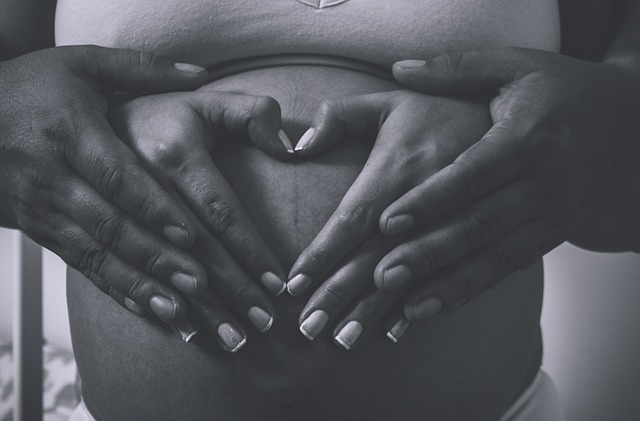
The Impact of Diet and Lifestyle on Fertility at 40
Maintaining a healthy weight is crucial for fertility at 40. Being underweight or overweight can disrupt hormone levels and affect ovulation. It is recommended to have a body mass index (BMI) between 18.5 and 24.9 for optimal fertility. A balanced diet and regular exercise can help achieve and maintain a healthy weight.
Tips for Optimizing Diet and Lifestyle for Fertility at 40:
1. Eat a balanced and nutritious diet: As mentioned, a healthy and balanced diet can improve fertility at 40. Focus on consuming whole foods such as fruits, vegetables, lean proteins, and healthy fats.
2. Take a prenatal vitamin: In addition to folic acid, prenatal vitamins contain other essential nutrients for fertility and pregnancy. Consult with a healthcare provider to find the best prenatal vitamin for your needs.
3. Stay hydrated: Drinking enough water is important for overall health, including fertility. Aim for at least 8 glasses of water per day.
4. Exercise regularly: Regular physical activity can help regulate hormone levels and reduce stress, both of which can improve fertility at 40. Aim for at least 30 minutes of exercise per day.
5. Reduce stress: Find ways to manage stress, such as yoga, meditation, or talking to a therapist. This can help improve overall well-being and fertility.
6. Quit smoking: If you smoke, it is crucial to quit for the sake of your fertility and overall health.
7. Limit alcohol and caffeine intake: Both alcohol and caffeine can affect fertility, so it is important to limit their consumption when trying to conceive.
Summary:
Fertility at 40 can be impacted by various factors, with diet and lifestyle being two of the most significant ones. A healthy and balanced diet, along with regular exercise and stress management, can improve fertility by regulating hormone levels and improving overall health. Avoiding harmful habits such as smoking and excessive alcohol and caffeine intake can also increase the chances of conceiving. By making positive changes to diet and lifestyle, women can optimize their fertility at 40 and increase the chances of having a healthy pregnancy.