Blog Post:
The concept of family planning has evolved significantly over the years. While traditional methods of conception involved a heterosexual couple having sexual intercourse, advancements in technology and societal changes have led to the emergence of alternative families. One such method that has gained popularity in recent years is home insemination. This process involves the use of donor sperm to impregnate a person or couple at home, without the need for medical intervention. In this blog post, we will explore the future of family planning and how home insemination is shaping alternative families.
The Rise of Alternative Families
In the past, the idea of a family was limited to a married heterosexual couple with children. However, in the 21st century, the definition of family has expanded to include single-parent households, same-sex couples, and individuals choosing to have children on their own. This shift can be attributed to several factors, including advancements in reproductive technology, changing social norms, and a greater acceptance of non-traditional family structures.
One of the main contributors to the rise of alternative families is the availability of home insemination kits. These kits come with all the necessary supplies and instructions for a person or couple to inseminate themselves at home. This process eliminates the need for expensive medical procedures and allows for more privacy and autonomy in the conception process.
The Advantages of Home Insemination
Home insemination offers several advantages for those looking to start a family. First and foremost, it provides an affordable and convenient option for individuals or couples who may not have access to or cannot afford assisted reproductive technologies like in vitro fertilization (IVF). This allows for a more inclusive approach to family planning, regardless of financial status or sexual orientation.
Moreover, home insemination allows for a more intimate and personal experience for those wishing to conceive. Unlike medical procedures, which can be invasive and intimidating, home insemination can be done in the comfort of one’s own home, with the support of a partner or loved one. This can help create a deeper connection with the conception process and the resulting child.
The Role of Donor Sperm in Alternative Families
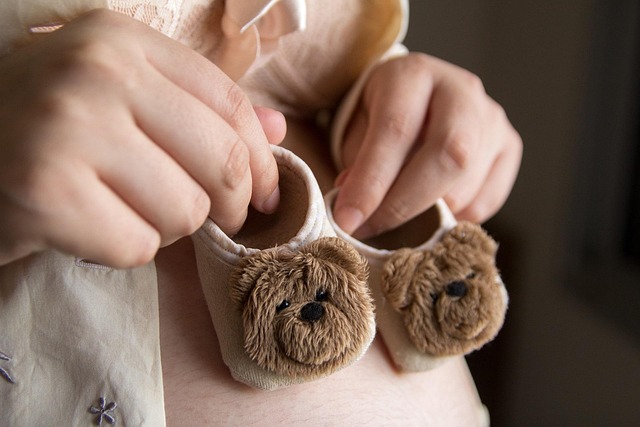
The Future of Family Planning: How Home Insemination is Shaping Alternative Families
Donor sperm plays a crucial role in home insemination and the creation of alternative families. Donor sperm can be obtained through sperm banks, which offer a range of options, including anonymous and open donors. This provides individuals and couples with the opportunity to choose a donor who aligns with their preferences and values.
Additionally, the use of donor sperm allows for genetic diversity in alternative families. In traditional heterosexual couples, children inherit genetic traits from both the mother and father. However, in same-sex couples or single-parent households, donor sperm offers the opportunity for unique genetic traits to be passed down to the child, creating a more diverse and interesting gene pool.
The Future of Home Insemination
As home insemination continues to gain popularity, it is expected to become even more accessible and mainstream in the future. One of the key factors driving this trend is the growing acceptance and recognition of alternative families in society. With more and more people choosing to start families through home insemination, it is likely that laws and policies will be put in place to protect the rights of these families and their children.
Moreover, advancements in technology are making home insemination even more efficient and effective. For instance, there are now home insemination kits that come with sperm sensors, which can determine the optimal time for insemination based on the hormones in a person’s body. This not only increases the chances of conception but also makes the process more precise and reliable.
In addition to that, the use of home insemination is also on the rise among heterosexual couples who are struggling with fertility issues. In such cases, home insemination can be a less intrusive and more affordable option compared to medical procedures. This highlights the potential for home insemination to become a mainstream method of family planning for all types of families.
In conclusion, the future of family planning is constantly evolving, and home insemination is playing a significant role in shaping alternative families. With its affordability, convenience, and increasing acceptance in society, it is likely that home insemination will continue to grow in popularity and become a mainstream method of conception. This offers hope and opportunities for individuals and couples who wish to start a family on their terms, regardless of societal norms and traditional definitions of family.
Summary:
The concept of family planning has evolved to include alternative families, and one method that is shaping this change is home insemination. This process involves the use of donor sperm to impregnate a person or couple at home, without medical intervention. Home insemination offers advantages such as affordability, convenience, and privacy, and plays a crucial role in creating diverse and inclusive alternative families. As society becomes more accepting, and technology advances, home insemination is expected to become a mainstream method of family planning, offering hope and opportunities for all types of families.