Summary:
In recent years, there has been a growing movement towards inclusivity and accessibility in the world of fertility and reproductive health. One aspect of this movement is the development of DIY fertility syringe kits for women of all sexual orientations. These kits allow women to inseminate themselves at home, without the need for expensive medical interventions or the involvement of a male partner. This revolutionary concept has the potential to break down barriers and empower women to take control of their own fertility journey, regardless of their sexual orientation.
The traditional methods of assisted reproductive technology (ART) such as intrauterine insemination (IUI) and in vitro fertilization (IVF) can be costly and not always covered by insurance. Additionally, these methods often require a male partner or donor sperm, which can exclude women in same-sex relationships or those who are single. This is where DIY fertility syringe kits come in, providing a more affordable and accessible option for women.
These kits typically include a syringe, a catheter, and instructions for use. The process involves collecting semen from a donor or partner, which can be done at home or in a clinic, and using the syringe to inseminate the semen into the vagina. This can be done either through intracervical insemination (ICI) or intrauterine insemination (IUI), depending on the kit and the individual’s preference. Many kits also include ovulation predictor kits to help determine the optimal time to inseminate.
One of the biggest advantages of DIY fertility syringe kits is the cost. While traditional methods of ART can cost thousands of dollars, these kits are much more affordable, typically ranging from $10 to $50. This makes it a viable option for those who may not have the means to pursue traditional methods or those who simply want a more accessible and affordable option.
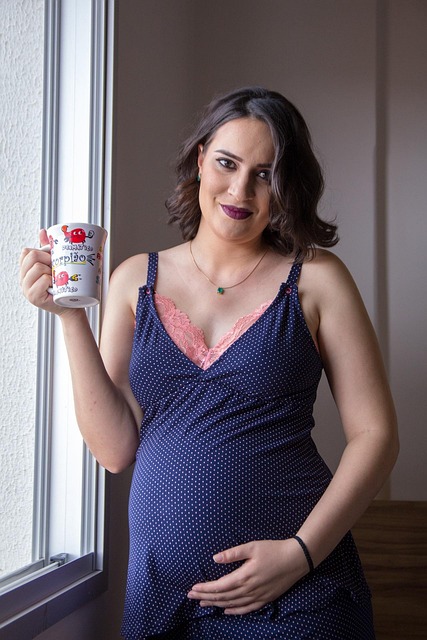
Breaking Barriers: DIY Fertility Syringe Kits for Women of All Sexual Orientations
Moreover, these kits also offer a sense of privacy and autonomy for women. Many individuals may feel uncomfortable or stigmatized when seeking fertility treatments from medical professionals. DIY kits allow them to take control of their own fertility journey in the privacy of their own homes. This can be particularly beneficial for individuals in the LGBTQ+ community, who may face discrimination or lack of understanding from healthcare providers.
Additionally, DIY fertility syringe kits can be empowering for women who want to have a child without the involvement of a male partner. Many women in same-sex relationships or single individuals may feel limited in their options for starting a family. These kits offer a way for them to take control and make their dreams of parenthood a reality.
However, it is important to note that these kits are not a replacement for medical advice and guidance. It is recommended to consult with a healthcare provider before using a DIY fertility syringe kit, as they can provide important information and support. They can also help ensure that the process is done safely and effectively, increasing the chances of success.
Despite the potential benefits of DIY fertility syringe kits, there are also some concerns surrounding their use. Some critics argue that DIY kits may not be as effective as traditional methods of ART, as they do not involve the same level of medical expertise and monitoring. Additionally, there may be risks involved in the insemination process if not done correctly, such as infection or injury. It is important for individuals to thoroughly research and understand the risks before using a DIY fertility syringe kit.
Overall, the rise of DIY fertility syringe kits is a step towards inclusivity and accessibility in the world of fertility and reproductive health. These kits offer a more affordable and private option for women of all sexual orientations who are seeking to start a family. While they may not be suitable for everyone and should be used with caution, they have the potential to break down barriers and empower women to take control of their own fertility journeys.