The Perfect Match: Using DIY Fertility Syringe Kits with Donor Sperm
For many couples struggling with infertility, finding the perfect match for donor sperm can be a daunting and expensive process. But with the rise of do-it-yourself (DIY) fertility syringe kits, the process has become more accessible and affordable. These kits allow couples to inseminate at home using donor sperm, without the need for expensive medical procedures. In this blog post, we will explore the benefits, risks, and steps involved in using DIY fertility syringe kits with donor sperm to help you make an informed decision about whether it is the right option for you.
The Benefits of DIY Fertility Syringe Kits
One of the main benefits of using DIY fertility syringe kits is the cost savings. Traditional methods of insemination using donor sperm can cost thousands of dollars per cycle, which can quickly add up for couples who require multiple attempts. DIY kits, on the other hand, typically cost a few hundred dollars and can be used for multiple cycles, making it a more affordable option for many couples.
Another advantage of using DIY kits is the convenience and privacy it provides. Many couples may feel uncomfortable with the idea of undergoing a medical procedure or having to schedule appointments with a doctor. With DIY kits, the insemination process can be done in the comfort and privacy of their own home, allowing for a more relaxed and intimate experience.
Additionally, using DIY kits also gives couples more control over the timing of insemination. With traditional methods, couples have to rely on the availability and schedule of a fertility clinic, which can cause added stress and pressure. DIY kits allow couples to inseminate at the most optimal time for ovulation, increasing the chances of success.
Risks to Consider
While DIY fertility kits offer many benefits, it is important to consider the potential risks involved. One of the main risks is the lack of medical supervision. Traditional methods of insemination involve a doctor monitoring the process and providing guidance and support. With DIY kits, couples are responsible for the entire process, which can be overwhelming and potentially dangerous if not done correctly.
Another risk to consider is the quality and safety of the donor sperm. When using a fertility clinic, sperm donors are thoroughly screened and tested for genetic and infectious diseases. DIY kits, on the other hand, may not have the same level of screening and may not provide the same level of quality assurance. It is crucial for couples to thoroughly research and choose a reputable sperm bank when using DIY kits to ensure the safety of both the mother and the future child.
Steps to Using DIY Fertility Syringe Kits
If you have decided that using a DIY fertility syringe kit with donor sperm is the right option for you, here are the basic steps involved in the process:
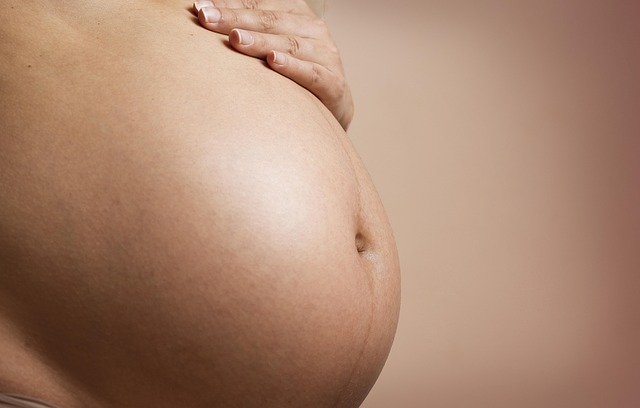
The Perfect Match: Using DIY Fertility Syringe Kits with Donor Sperm
1. Choose a reputable sperm bank: Research and choose a sperm bank that has a good reputation and offers high-quality donor sperm. Look for banks that have strict screening processes and offer guarantees for the quality of their sperm.
2. Purchase a DIY fertility syringe kit: There are many different kits available on the market, so be sure to read reviews and choose one that has a good track record. These kits typically include a syringe, catheter, and instructions on how to use them.
3. Time insemination with ovulation: It is crucial to inseminate at the right time for the best chances of success. Use ovulation predictor kits or track your basal body temperature to determine when you are ovulating.
4. Prepare the sperm: Follow the instructions provided by the sperm bank on how to thaw and prepare the donor sperm.
5. Prepare for insemination: Before insemination, make sure to thoroughly wash your hands and sterilize the syringe and catheter.
6. Insemination: Follow the instructions provided by the DIY kit on how to use the syringe and catheter to inseminate. It is important to relax and take your time during this process to ensure the sperm is inserted correctly.
7. Rest: After insemination, it is recommended to rest for at least 20 minutes to allow the sperm to reach the fallopian tubes.
Is It the Right Option for You?
While DIY fertility syringe kits offer many benefits, it is important to carefully consider if it is the right option for you. If you have any underlying medical conditions or fertility issues, it is best to consult with a doctor before trying DIY kits. Additionally, if you are uncomfortable with the idea of performing the insemination yourself or have concerns about the quality of the donor sperm, it may be best to seek medical assistance.
Summary:
DIY fertility syringe kits offer a more affordable and convenient option for couples struggling with infertility who are looking to use donor sperm. These kits provide cost savings, privacy, and more control over the timing of insemination. However, it is important to consider the potential risks involved, such as lack of medical supervision and the quality and safety of the donor sperm. Couples interested in using DIY kits should thoroughly research and choose a reputable sperm bank and follow the necessary steps for successful insemination.