Blog Post Title: Simplifying Parenthood: Conceiving at Home with a Fertility Kit
Parenthood is a beautiful journey that many couples dream of embarking on. However, for some, the path to parenthood may not be as easy as they had hoped. Infertility affects approximately 1 in 8 couples, and the emotional toll it takes can be overwhelming. In the past, couples struggling with infertility had limited options, such as expensive fertility treatments or adoption. But with advances in technology, there are now more accessible and affordable ways to increase your chances of conceiving. One such option is using a fertility kit to conceive at home. In this blog post, we will explore how fertility kits work and how they can simplify the journey to parenthood.
What is a Fertility Kit?
A fertility kit, also known as an ovulation predictor kit, is a home-based test that helps women track their ovulation. It works by detecting the surge in luteinizing hormone (LH) that occurs just before ovulation. LH is a hormone produced by the pituitary gland and is responsible for triggering the release of an egg from the ovary. By tracking this hormone, women can pinpoint their most fertile days and increase their chances of conceiving.
How to Use a Fertility Kit
Using a fertility kit is simple and can be done in the comfort of your own home. The first step is to determine when to start testing. This usually depends on the length of your menstrual cycle. If your cycle is 28 days, you would start testing on day 11 (the first day of your period being day 1). If your cycle is longer or shorter, you may need to adjust the start date accordingly.
Once you have determined the start date, you will need to collect a urine sample. It is best to do this in the morning when your urine is most concentrated. Then, using the test strip provided in the kit, you will need to dip it into the urine for a few seconds and then lay it flat on a clean surface. The kit will then give you a positive or negative result, depending on the presence of the LH surge.
It is important to note that fertility kits are not 100% accurate and should be used in conjunction with other methods, such as tracking your basal body temperature or monitoring cervical mucus. Also, fertility kits may not work for everyone, especially for those with irregular cycles or certain medical conditions. It is always best to consult with a healthcare professional for personalized advice.
Benefits of Using a Fertility Kit
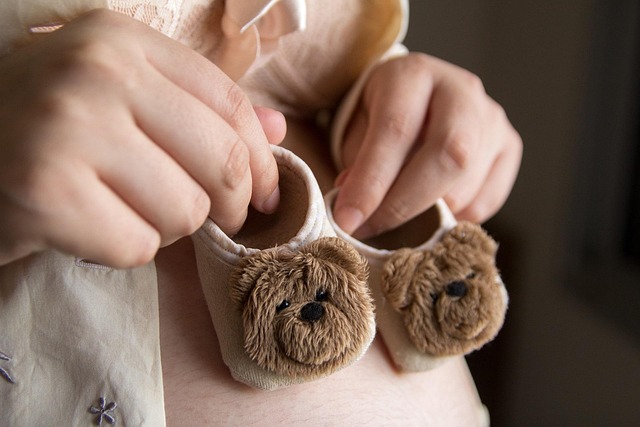
Simplifying Parenthood: Conceiving at Home with a Fertility Kit
There are several benefits to using a fertility kit to conceive at home. The most obvious one is convenience. Unlike fertility treatments that require multiple doctor appointments and invasive procedures, fertility kits can be used in the privacy of your own home. This can be a huge relief for couples who may feel uncomfortable discussing their fertility struggles with others.
Another benefit is cost-effectiveness. Fertility treatments, such as in vitro fertilization (IVF), can cost thousands of dollars and may not be covered by insurance. On the other hand, fertility kits are relatively affordable and can be purchased over the counter or online. This makes it a more accessible option for couples who may not have the financial means to pursue fertility treatments.
Using a fertility kit can also help reduce stress and anxiety associated with trying to conceive. Many couples struggling with infertility may feel a sense of pressure and disappointment every month when they are not successful. By using a fertility kit, they can have a better understanding of their ovulation and plan accordingly, eliminating the uncertainty and stress of not knowing when is the best time to try to conceive.
Challenges of Using a Fertility Kit
While fertility kits can be a helpful tool for couples trying to conceive, there are also some challenges that come with using them. As mentioned earlier, fertility kits may not work for everyone, especially for those with irregular cycles or certain medical conditions. Additionally, they may not be as accurate as other methods of tracking ovulation, such as ultrasound monitoring.
Moreover, using fertility kits may also add more pressure and stress for some couples. It can become a daily routine and may feel like another task to add to an already long list of things to do. This can take away from the enjoyment of trying to conceive and put a strain on the relationship.
Final Thoughts
Parenthood is a journey that is unique to every couple. While some may conceive without any complications, others may face challenges along the way. Fertility kits can be a helpful tool for couples trying to conceive at home, offering convenience, affordability, and a better understanding of ovulation. However, it is essential to remember that every individual’s journey is different, and it is vital to seek professional advice and support when needed.
In summary, fertility kits are home-based tests that help women track their ovulation by detecting the surge in LH. They offer convenience and affordability, making it a more accessible option for couples struggling with infertility. However, they may not work for everyone and can also add more pressure and stress to the process. Consulting with a healthcare professional is always recommended for personalized advice and support.