Summary:
Syringe insemination and ovulation induction are two commonly used methods for aiding fertility and increasing the chances of pregnancy. Syringe insemination, also known as intrauterine insemination (IUI), involves directly placing sperm into the uterus, while ovulation induction is the process of stimulating the ovaries to release eggs. Both procedures can be done separately or in combination, and have proven to be effective in helping couples conceive.
In this blog post, we will discuss the process of syringe insemination and ovulation induction, the reasons for using these methods, and what you need to know before considering them as options for fertility treatment.
Understanding Syringe Insemination:
Syringe insemination is a simple and minimally invasive procedure that involves the direct placement of sperm into the uterus using a syringe. This method is often used for couples who have difficulties conceiving due to issues with sperm quality or cervical mucus, or for single women and same-sex couples using donor sperm.
The procedure is usually done during ovulation, when the egg is released from the ovary. The sperm is first washed and prepared in a lab to increase motility and remove any impurities. Then, a thin catheter is inserted through the cervix and into the uterus, where the prepared sperm is injected. The whole process is painless and takes only a few minutes to complete.
Ovulation Induction:
Ovulation induction is the process of stimulating the ovaries to produce and release more eggs than usual. This is done to increase the chances of fertilization and pregnancy. This method is often used for women who have irregular or absent ovulation, or for those who have difficulty conceiving due to hormonal imbalances.
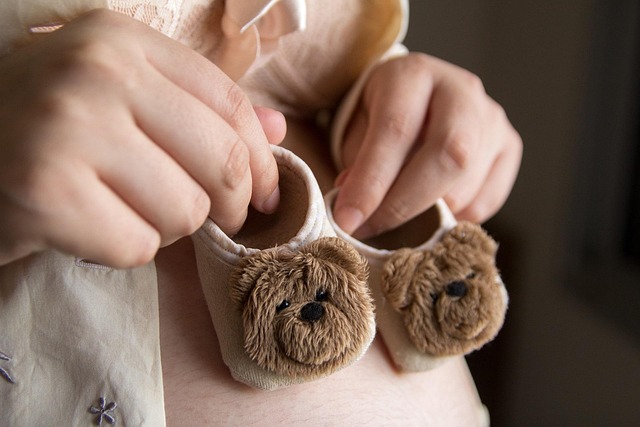
Syringe Insemination and Ovulation Induction: What You Need to Know
There are different types of medication used for ovulation induction, including oral pills, injections, and nasal sprays. These medications work by either stimulating the ovaries directly or regulating the hormones that control ovulation. The dosage and type of medication used will depend on the underlying cause of infertility and the individual’s response to treatment.
Combining Syringe Insemination and Ovulation Induction:
In some cases, syringe insemination and ovulation induction are used together to increase the chances of pregnancy. This is known as controlled ovarian hyperstimulation (COH). The woman is given medication to stimulate the ovaries, and the insemination is done at the time of ovulation. This method is often used for couples with unexplained infertility or for women with blocked fallopian tubes.
What You Need to Know:
Before considering syringe insemination and ovulation induction, it is important to consult with a fertility specialist to determine the underlying cause of infertility. These methods may not be suitable for everyone and may not be the most effective treatment option for certain conditions.
It is also essential to understand the risks associated with these procedures, which include multiple pregnancies, ovarian hyperstimulation syndrome, and potential side effects from the medication used. A thorough discussion with the fertility specialist can help you weigh the risks and benefits and make an informed decision.
Furthermore, it is crucial to have a supportive partner or network when undergoing fertility treatments. The process can be emotionally and physically draining, and having a strong support system can make a significant difference.
In conclusion, syringe insemination and ovulation induction are two commonly used methods for aiding fertility and increasing the chances of pregnancy. These procedures can be done separately or in combination, and success rates vary depending on individual circumstances. Consulting with a fertility specialist and having a strong support system are essential before considering these methods as options for fertility treatment.